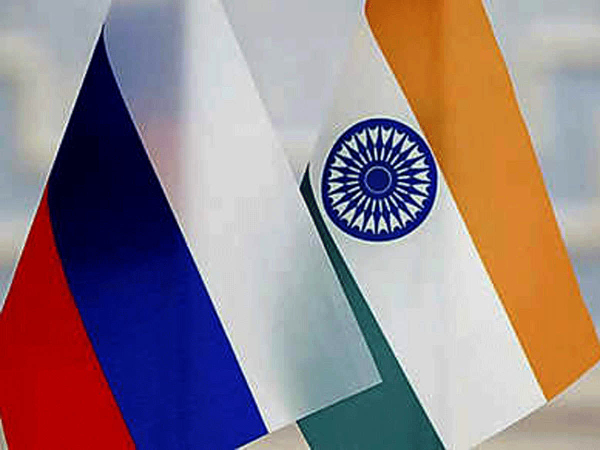
India’s largest power utility, NTPC Limited, is expanding its nuclear energy programme and exploring international technology partnerships, including cooperation with Russia’s Rosatom, as part of its long-term plan to develop 30 GW of nuclear power capacity by 2047.
The initiative aligns with India’s national objective of achieving 100 GW of installed nuclear capacity by 2047. NTPC is advancing its nuclear ambitions through dedicated subsidiaries, joint ventures, site-development studies and collaboration with established nuclear technology organisations.
In its official earnings conference call on February 4, 2026, NTPC management identified Russia’s Rosatom and France’s EDF among the international organisations being considered for cooperation in Pressurised Water Reactor (PWR) technology. This provides a documented foundation for potential future partnerships involving advanced nuclear power generation.
NTPC Explores Cooperation with Russia’s Rosatom
NTPC has identified international technology collaboration as an important component of its nuclear expansion strategy. The company is examining opportunities involving Pressurised Water Reactors, a technology widely used in commercial nuclear power generation.
During its February 2026 earnings discussion, NTPC management confirmed that it was considering cooperation with Rosatom and EDF. The company outlined plans to pursue memoranda of understanding and undertake further technical work related to PWR technology.
Russia has extensive experience in developing VVER reactors, a type of Pressurised Water Reactor used at several nuclear power facilities worldwide, including India’s Kudankulam Nuclear Power Plant.
Cooperation with established international technology providers would complement India’s indigenous reactor development programme and offer additional options for expanding nuclear electricity generation.
India–Russia Nuclear Cooperation Provides an Established Framework
Civil nuclear energy has remained an important component of the India–Russia strategic partnership for several decades.
On December 11, 2014, India and Russia adopted a Strategic Vision for Strengthening Cooperation in Peaceful Uses of Atomic Energy. The framework supported the expansion of bilateral nuclear cooperation, including the development of additional nuclear power facilities.
A subsequent action plan between India’s Department of Atomic Energy and Russia’s Rosatom identified opportunities for developing Russian-designed nuclear reactors at a second site in India.
The official action plan envisaged considering six VVER nuclear power units at the second site under a single contract, with implementation proceeding in phases.
The agreement also addressed localisation of nuclear equipment manufacturing, industrial cooperation and the possibility of manufacturing nuclear fuel in India.
These arrangements established a framework for expanding nuclear cooperation beyond the existing Kudankulam project.
Kudankulam Demonstrates India–Russia Nuclear Partnership
The Kudankulam Nuclear Power Plant in Tamil Nadu represents India’s largest ongoing civil nuclear cooperation project with Russia.
The facility uses Russian-designed VVER reactors, each with a generating capacity of 1,000 MW. Its first two units are operational, while additional units are under construction.
According to the Department of Atomic Energy’s August 2026 parliamentary statement, Units 3 and 4 are scheduled for completion in June 2027 and June 2028, respectively. Units 5 and 6 have projected commissioning dates of June 2029 and March 2030.
The four additional reactors will contribute 4,000 MW of generating capacity when commissioned.
The project has also created opportunities for Indian engineering companies, construction contractors and equipment manufacturers to participate in nuclear infrastructure development.
India and Russia continue to explore opportunities for localisation, nuclear equipment manufacturing and cooperation in advanced reactor technologies.
NTPC Targets 30 GW of Nuclear Power Capacity by 2047
NTPC has established a long-term objective of contributing approximately 30 GW of nuclear generating capacity towards India’s national target of 100 GW by 2047.
The company is pursuing this expansion through two principal entities: NTPC Parmanu Urja Nigam Limited (NPUNL), its wholly owned subsidiary, and Anushakti Vidhyut Nigam Limited (ASHVINI), its joint venture with the Nuclear Power Corporation of India Limited (NPCIL).
According to NTPC’s 2025–26 Chairman’s Statement, the company is conducting studies and discussions involving 34 potential sites across 13 states, alongside evaluations of suitable nuclear reactor technologies.
The strategy combines indigenous reactor development with opportunities for international technology cooperation. It also enables NTPC to diversify its generation portfolio while increasing the availability of reliable, low-carbon electricity.
Mahi Banswara Nuclear Project Advances Indigenous Reactor Development
One of NTPC’s major nuclear initiatives is the 2,800 MW Mahi Banswara Rajasthan Atomic Power Project, being developed through ASHVINI.
The project comprises four indigenous Pressurised Heavy Water Reactors, each with a capacity of 700 MW.
NTPC has confirmed that the project received siting consent and environmental clearance in May 2025. The company is advancing project implementation through engineering, infrastructure development and procurement activities.
In September 2026, ASHVINI’s official procurement portal listed the Nuclear Island Mega EPC Package for Units 1–4, marking an important step in the project’s development.
The Mahi Banswara project will strengthen India’s domestic nuclear engineering capabilities while expanding the country’s experience in constructing standardised indigenous reactors.
International Technology Partnerships to Support Nuclear Expansion
India’s nuclear expansion programme offers opportunities to combine domestic manufacturing expertise with established international reactor technologies.
NTPC’s interest in Pressurised Water Reactors complements the country’s indigenous Pressurised Heavy Water Reactor programme. PWR technology can provide an additional route for developing large nuclear power stations.
India–Russia cooperation already provides an established framework for reactor development, equipment localisation and technical collaboration.
The bilateral nuclear action plan envisages cooperation in manufacturing nuclear equipment and fuel assemblies in India. Such initiatives support the development of domestic industrial capabilities and strengthen the nuclear supply chain.
NTPC’s exploration of international partnerships forms part of this broader effort to build the technical and industrial capacity required for large-scale nuclear power development.
Strengthening India’s Nuclear Energy Security
India’s target of 100 GW of nuclear capacity by 2047 reflects the growing importance of reliable, low-carbon electricity in the country’s energy strategy.
Nuclear power provides continuous electricity generation and can complement renewable sources such as solar and wind. Expanding nuclear capacity will also support the electricity requirements of manufacturing, transportation, digital infrastructure and other energy-intensive sectors.
NTPC’s planned 30 GW contribution represents a major component of this national objective.
By developing indigenous reactors, evaluating additional sites and exploring international technology partnerships, NTPC is establishing the foundation for a diversified nuclear power portfolio.
India’s established cooperation with Russia, combined with growing domestic nuclear engineering capabilities, offers opportunities to expand electricity generation, strengthen energy security and support long-term industrial development.
References
- NTPC Limited — February 4, 2026: Official Q3 FY2025–26 Earnings Conference Call Transcript — Discussion of Rosatom and EDF Technology Cooperation
- Ministry of External Affairs, Government of India: India–Russia Nuclear Cooperation Action Plan — Six VVER Reactors and Localisation of Manufacturing
- NTPC Limited — 2025–26: Chairman’s Statement — Nuclear Expansion Strategy and 30 GW Target
- NTPC Limited — August 18, 2025: Investor Presentation — Nuclear Energy Expansion and Mahi Banswara Project
- Department of Atomic Energy — August 13, 2026: Parliamentary Reply on Nuclear Power Projects, Including Kudankulam
- NTPC Limited — September 2026: Official Procurement Records — Mahi Banswara Nuclear Island EPC Package
You may also like
-
India’s $220 Billion Chemical Industry Targets $1 Trillion by 2040 as Manufacturing Capacity Expands
-
Indian Railways Plans Four-Track Expansion on Seven Major Corridors to Add Over 1,000 Trains
-
AstraZeneca to Introduce Advanced Breast Cancer Medicine Datverzo in India in November
-
IIT Kanpur-Incubated ScaNxt Secures Investment to Expand AI-Powered Soil Testing and Precision Agriculture
-
Indore Agritech Startup Pragyanik AI Develops Autonomous Agricultural Robot for Precision Weeding and Spraying
