India’s defence electronics industry is expanding its role in military modernisation as growing demand for radar systems, electronic warfare equipment, communication technologies and advanced surveillance systems creates opportunities for domestic manufacturers. Public-sector undertakings and private defence companies are developing specialised technologies that support aircraft, missiles, naval vessels and ground-based military platforms.
Bharat Electronics Limited (BEL) has announced fresh orders covering electronic warfare equipment, communication systems, cybersecurity solutions and advanced electronic components. Private manufacturers, including Astra Microwave Products, Data Patterns and Zen Technologies, are also developing capabilities across defence electronics, radar subsystems, testing equipment and military training technologies.
The expansion comes as India’s indigenous defence production reached a record ₹1.78 lakh crore in FY2025–26, representing an increase of 15.6% over the previous financial year. According to the Ministry of Defence, private companies accounted for approximately 24% of total defence production, reflecting their growing participation in India’s defence industrial ecosystem.
BEL Secures Fresh Orders for Electronic Warfare and Communication Systems
Navratna defence public-sector undertaking Bharat Electronics Limited announced on September 19, 2026, that it had secured additional orders worth ₹648 crore since its previous disclosure on August 26.
The orders cover several technologies required for modern military operations, including laser-based infrared jammers, communication equipment, cybersecurity solutions, thermal imagers, transducers, artificial intelligence-based software and transmit-receive modules.
The company also received orders for equipment upgrades, spare parts and associated services, demonstrating the importance of maintenance and technological modernisation alongside the production of new defence systems.
Earlier, BEL had announced additional orders worth ₹730 crore on August 26. These included communication equipment, radar, avionics, tank subsystems, electro-optical equipment, jammers, cybersecurity systems, batteries and associated services.
The two announcements establish a continuing demand for BEL’s defence electronics capabilities. Their combined disclosed value is ₹1,378 crore, although the orders were received over different reporting periods rather than through a single procurement contract.
Electronic Warfare and Radar Technologies Drive Indigenous Development
Modern military operations increasingly depend on electronic systems that detect threats, support targeting, protect communication networks and counter hostile surveillance.
Electronic warfare equipment plays an important role in this environment by detecting, disrupting or reducing the effectiveness of adversary electronic systems. Laser-based infrared jammers, for example, are designed to interfere with the guidance of certain infrared-seeking threats, improving the survivability of protected platforms.
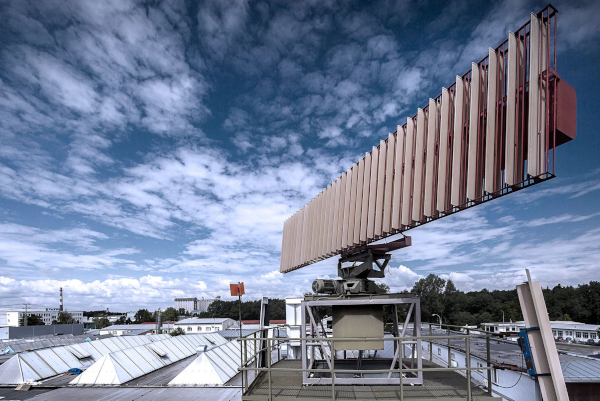
Radar technologies support air surveillance, target tracking, navigation and battlefield awareness. Their performance depends on specialised components such as radio-frequency modules, antennas, signal processors and advanced electronic assemblies.
BEL’s recent orders for transmit-receive modules are particularly relevant to radar manufacturing. These modules perform essential functions in electronically scanned radar systems, controlling the transmission and reception of radio-frequency signals.
The development and production of such equipment requires capabilities in microwave engineering, semiconductor technologies, precision manufacturing and advanced software.
India’s increasing emphasis on indigenous radar and electronic warfare systems is creating opportunities for companies specialising in these technologies, including established public-sector manufacturers and private engineering enterprises.
Astra Microwave Strengthens India’s Radar and RF Electronics Ecosystem
Hyderabad-based Astra Microwave Products Limited is an established Indian manufacturer of radio-frequency and microwave systems used in defence, aerospace and other specialised applications.
The company develops products and subsystems relevant to radar, electronic warfare, communications and space technologies. Its capabilities include microwave components, antennas, radio-frequency assemblies and integrated electronic systems.
Astra Microwave has also disclosed contracts associated with Hindustan Aeronautics Limited, highlighting its participation in India’s wider aerospace manufacturing supply chain.
Such collaborations are important because modern defence platforms integrate numerous specialised electronic subsystems supplied by companies with different technical capabilities.
An advanced aircraft or radar installation requires more than mechanical structures and major equipment. It also depends on compact, reliable electronic assemblies designed to operate under demanding environmental and performance conditions.
Domestic suppliers of radio-frequency technologies can therefore contribute to reducing import dependence while strengthening India’s ability to manufacture and maintain advanced military systems.
Data Patterns Contributes to Advanced Defence Electronics and Aerospace Systems
Chennai-based Data Patterns (India) Limited operates in the defence and aerospace electronics sector, developing systems and subsystems for demanding military applications.
Its capabilities extend across radar electronics, electronic warfare, avionics, communication systems and automated testing equipment.
The company follows an integrated development approach involving system design, electronic hardware, embedded software and manufacturing.
Such capabilities are increasingly relevant to India’s indigenous defence programmes, where equipment manufacturers require specialised electronics that meet stringent military standards.
Automated test equipment represents another important part of this ecosystem. Complex electronic systems require extensive testing during development, production and maintenance to establish their performance and reliability.
Indian companies developing these technologies can support defence manufacturers throughout a product’s operational life, from initial development to periodic upgrades and maintenance.
Zen Technologies Develops Military Training and Counter-Drone Systems
Hyderabad-based Zen Technologies Limited specialises in defence training simulators and counter-drone technologies. Its systems support military training, operational preparedness and the development of skills required to operate modern military equipment.
Simulation technologies allow military personnel to practise complex operational procedures in controlled environments. They can recreate battlefield conditions, weapon-system behaviour and tactical situations without requiring live ammunition or full-scale field exercises for every training activity.
The growing sophistication of military platforms has increased the importance of simulation-based training. Advanced training systems can help armed forces improve proficiency, assess operational responses and reduce the costs associated with repeated physical exercises.
Zen Technologies also develops counter-drone solutions, an area receiving increasing attention as unmanned aerial systems become more prominent in modern warfare.
Counter-drone systems typically combine detection, tracking and neutralisation technologies. Their effectiveness depends on the integration of sensors, electronic equipment and command-and-control software.
Bharat Dynamics and BEML Support the Wider Defence Manufacturing Ecosystem
The expansion of indigenous defence production also creates opportunities for companies whose principal activities extend beyond electronic subsystems.
Bharat Dynamics Limited plays an important role in India’s missile manufacturing ecosystem, producing guided missile systems and associated defence equipment. Its manufacturing activities depend on specialised electronics, mechanical assemblies, propulsion-related components and precision engineering.
BEML contributes to military mobility, engineering equipment and aerospace manufacturing. Its participation in defence programmes illustrates how large platform manufacturers depend on a network of companies supplying structures, mechanical systems and specialised components.
These industrial relationships help connect India’s defence public-sector undertakings with private manufacturers and smaller engineering enterprises.
The development of this broader supplier network is essential to increasing indigenous content in military platforms while supporting domestic employment, technological expertise and manufacturing capabilities.
Private Sector Share of Defence Production Reaches 24%
The Ministry of Defence reported that India’s annual defence production reached ₹1.78 lakh crore in FY2025–26, compared with ₹1.54 lakh crore in the previous year.
Defence public-sector undertakings and other public-sector enterprises accounted for approximately 76% of total production. Private companies contributed the remaining 24%, equivalent to roughly ₹42,000 crore.
The private sector’s share increased from 22% in FY2024–25, reflecting its expanding participation in manufacturing defence equipment and specialised technologies.
India’s defence exports also reached a record ₹38,424 crore during FY2025–26. According to government figures, private manufacturers contributed ₹17,353 crore, representing approximately 45% of total exports.
These figures demonstrate that private defence companies are becoming increasingly important not only in supplying domestic military programmes but also in serving international markets.
The expansion of specialised electronics manufacturing is particularly relevant because modern military equipment requires integrated systems supplied by multiple technology companies.
Indigenous Components Strengthen India’s Defence Supply Chains
India’s defence manufacturing strategy increasingly emphasises the domestic development of critical components and technologies.
The Ministry of Defence reported that ten Positive Indigenisation Lists covering 5,521 items had been notified by May 2026. These lists identify products and components intended for procurement from domestic sources within prescribed timelines.
Such measures support opportunities for Indian manufacturers producing electronics, sensors, mechanical assemblies, communication equipment and other specialised defence products.
The SRIJAN Defence Equipment Empowerment Platform further supports indigenisation by connecting manufacturers with domestic sourcing requirements.
Government data for May 2026 indicated that the platform included more than 41,000 vendors and approximately 2.7 lakh products, reflecting the growing network of suppliers participating in India’s defence industrial ecosystem.
For specialised electronics manufacturers, this framework creates opportunities to develop components previously sourced from overseas suppliers.
Domestic production of critical subsystems also supports maintenance, upgrades and long-term availability of equipment throughout its operational life.
Defence Research and Industry Collaboration Supports Advanced Technologies
India’s defence research programmes are increasingly involving private enterprises, startups and academic institutions.
The Ministry of Defence has allocated ₹29,100.25 crore for defence research and development in FY2026–27, compared with ₹13,716.14 crore in FY2014–15.
Since FY2022–23, the government has opened 25% of the defence research and development budget to industry, startups and academia.
This approach encourages greater participation in developing advanced technologies while supporting cooperation between research institutions and manufacturing companies.
Access to testing facilities is another important requirement. The Defence Testing Portal enables domestic manufacturers to seek access to specialised testing infrastructure across 24 DRDO laboratories.
Such facilities can help companies evaluate equipment performance, conduct technical assessments and develop products that meet defence requirements.
The combination of research support, testing infrastructure and domestic procurement policies provides an institutional foundation for expanding India’s indigenous defence electronics capabilities.
India’s Defence Electronics Industry Moves Towards Greater Technological Depth
India’s defence manufacturing ecosystem is evolving beyond the production of complete military platforms towards a broader network of companies developing specialised technologies.
BEL’s officially disclosed orders demonstrate continuing demand for radar-related equipment, electronic warfare systems, communication technologies and advanced electronic components.
The capabilities developed by Astra Microwave, Data Patterns and Zen Technologies illustrate the range of technological specialisations emerging within India’s private defence industry.
The combined order inflow of ₹8,600 crore reported for selected defence companies during the July–September 2026 quarter is based on a brokerage assessment rather than a consolidated government or company disclosure. Consequently, individual company announcements provide a more direct basis for establishing confirmed procurement activity.
As defence programmes become increasingly dependent on sophisticated electronics, India’s ability to manufacture critical subsystems will play a larger role in military modernisation.
The expansion of indigenous electronic warfare, radar, communication and simulation capabilities is strengthening India’s industrial foundation while creating opportunities for research, engineering and specialised manufacturing.
With defence production reaching record levels and private-sector participation increasing, India’s electronics manufacturers are becoming an integral part of the country’s efforts to build technologically advanced, self-reliant defence capabilities.
References
- Bharat Electronics Limited, September 19, 2026. BEL Receives Orders Worth ₹648 Crore.
https://bel-india.in/news-bel/bel-receives-orders-worth-rs-648-crore/ - Bharat Electronics Limited, August 26, 2026. BEL Receives Orders Worth ₹730 Crore.
https://bel-india.in/news/ - Ministry of Defence, Press Information Bureau, June 17, 2026. Defence Production Soars to a Record ₹1.78 Lakh Crore in Financial Year 2025–26.
https://www.pib.gov.in/PressReleasePage.aspx?PRID=2273824 - Ministry of Defence, Press Information Bureau, September 2026. India’s Defence Strength: Powering National Security Through Self-Reliance.
https://www.pib.gov.in/FactsheetDetails.aspx?ModuleId=16&id=150909 - Astra Microwave Products Limited. Radar Electronics: Indigenous RF and Microwave Systems.
https://astramwp.com/radar-electronics/ - Data Patterns (India) Limited. Defence and Aerospace Electronic Products.
https://www.datapatternsindia.com/product/product.php - Zen Technologies Limited. Defence Training Simulators and Counter-Drone Technologies.
https://www.zentechnologies.com/
You may also like
-
India’s Satellite Broadband Industry Nears Commercial Launch as Bharti OneWeb, Jio and Starlink Await Final Approvals
-
India Demonstrates Maritime Rescue Capabilities at SAREX-2026 with Observers from 30 Countries
-
India’s Private Space Sector Creates New Opportunities for Young Engineers, Helps Reduce Brain Drain
-
IndigoTex Raises ₹5 Crore to Scale Indigenous Advanced Textile Technologies
-
Sunfox Technologies Raises $7 Million to Take India-Built Spandan ECG Platform Global
