India’s passenger vehicle market is undergoing a significant change in its fuel mix, with CNG, hybrid and electric vehicles together moving ahead of petrol-powered vehicles for the first time in August 2026, according to an analysis by Equirus Securities.
The brokerage estimates that CNG, hybrids and electric vehicles together accounted for 42% of passenger vehicle retail sales during the month, while the share of petrol vehicles fell to a record low of 41%. A year earlier, petrol had accounted for about 46% of the market.
CNG emerged as one of the biggest beneficiaries of the shift. Its share increased from around 21% in August 2025 to a record 25% in August 2026, reflecting the growing availability of factory-fitted CNG models and continued consumer interest in alternatives to conventional petrol vehicles.
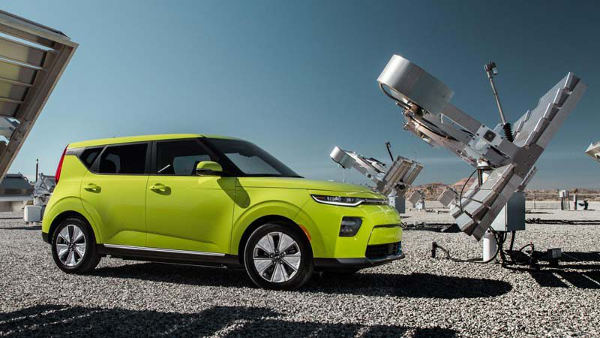
Electric cars are also steadily gaining ground. Equirus estimated electric passenger vehicle sales at about 30,700 units during August, representing growth of roughly 52% from a year earlier and market penetration of 7.7%.
Separate registration data compiled from the government’s Vahan database points to a similarly strong trend. Around 30,325 electric passenger vehicles were registered during August 2026, up about 50% year-on-year, giving EVs approximately 7.4% of passenger vehicle registrations. Tata Motors remained the country’s largest electric-car manufacturer with nearly 43% of the market, followed by Mahindra & Mahindra at about 21% and JSW MG Motor at around 15%.
Maruti Suzuki, which has entered the battery-electric passenger vehicle market, accounted for close to 5% of registrations during August, while VinFast emerged as another increasingly visible participant. Greater competition and a widening choice of electric SUVs and cars are gradually reducing the concentration that characterised India’s early electric passenger vehicle market.
The broader passenger vehicle market also remained strong. Industry wholesale volumes reached about 4.48 lakh vehicles in August, supported by robust demand and a favourable comparison with the previous year.
Equirus believes uncertainty among some buyers surrounding the transition to E20 petrol may also be encouraging consumers to consider CNG, hybrid and electric alternatives. At the same time, lower running costs, expanding CNG infrastructure, greater availability of electrified models and changing consumer preferences are steadily diversifying India’s automotive fuel mix.
The August numbers therefore point to a structural change rather than simply growth in one technology. Petrol remains the country’s single largest passenger-vehicle fuel category, but consumers are increasingly dividing their purchases among CNG, battery-electric and hybrid powertrains.
For India’s automobile industry, crossing the point where these alternatives collectively exceed petrol represents an important milestone. Instead of one replacement technology dominating the transition, India’s passenger vehicle market appears to be moving toward a multi-fuel future in which CNG, hybrids and battery-electric vehicles grow alongside one another.
You may also like
-
India and Angola Explore Wider Economic and Strategic Cooperation
-
Made-in-India Nissan Tekton Begins Global Export Journey With First Shipments to South Africa
-
India to Send Multi-Sector Business Mission to Ghana and Nigeria to Expand West African Trade
-
EtherealX Pushes Indian Rocket Reusability With Novel Engine Cycle
-
Mecwin Builds Indigenous 45-HP Electric Tractor Powertrain After 500 Hours of Field Testing
