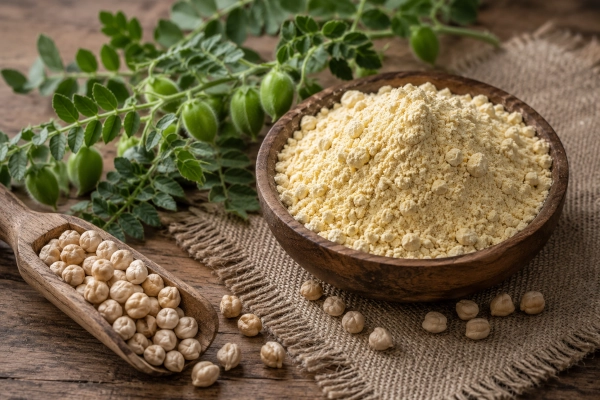
Cicer arietinum L. and the Classical Food-Medicine Tradition of Chanaka
Avlehana–Vesana represents an ancient Ayurvedic food preparation centred on chickpea flour. The plant from which it is prepared is Chanaka, botanically identified as Cicer arietinum L., the familiar chickpea or Bengal gram. Ayurveda examines Chanaka in several forms—including whole grain, soaked grain, roasted gram, flour, soup, flatbread, fried preparations and sweet modaka—because processing substantially changes its digestibility and Dosha action.
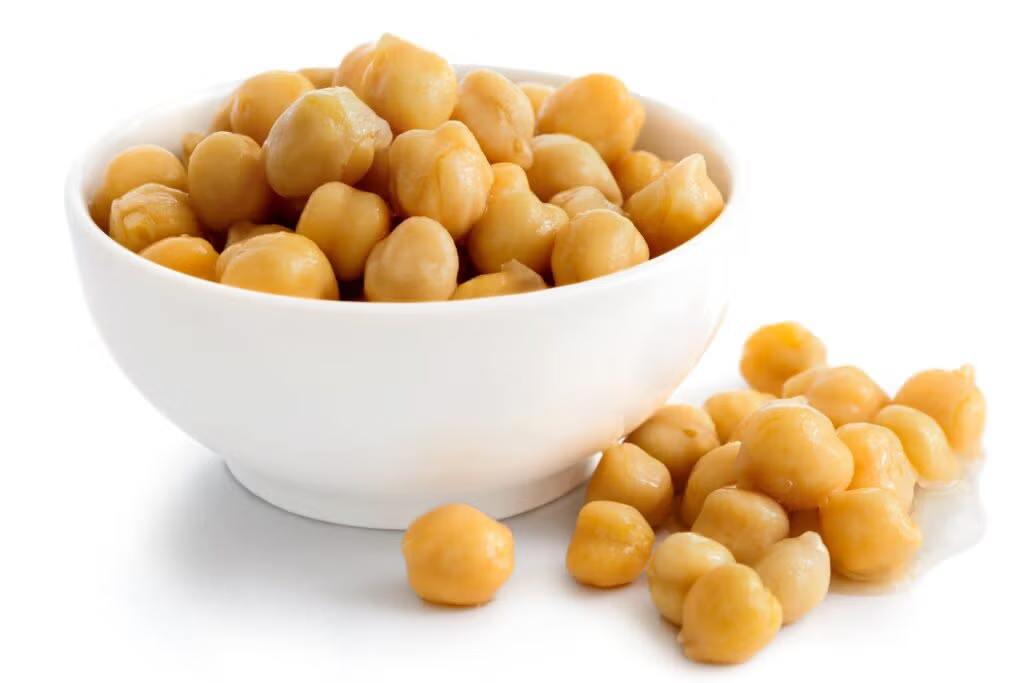
The words Avlehana and Vesana describe aspects of preparation and consumption rather than separate medicinal plants. Avaleha or avalehana carries the sense of licking, tasting or consuming a paste-like preparation. Vesana, in the culinary section of the Bhavaprakasha, refers to flour prepared from Chanaka. The classical text makes a particularly interesting distinction: Vesana is described as chickpea flour containing the outer covering, while another passage describes dehusked chickpea dal ground into flour as Besana.
Botanical Identity
Sanskrit name: Chanaka
Classical synonyms: Harimantha, Sakalapriya
Preparation name: Vesana
Common names: Chickpea, Bengal gram, gram, chana
Botanical name: Cicer arietinum L.
Family: Fabaceae
Part used: Mature seed
Primary culinary form: Whole seed, split pulse or flour
Cicer arietinum is an accepted botanical species belonging to the legume family. It is an annual plant cultivated for its nutritious seeds and has a long history as both food and traditional medicine. Its ancestral geographical range is associated with the region extending from southeastern Türkiye towards Iran, followed by its spread across Asia, the Mediterranean and other agricultural regions.
How to Identify the Chickpea Plant
Chickpea is a small, bushy annual herb, usually growing between 20 and 60 centimetres in height. Its stems and leaves bear fine glandular hairs that give the plant a slightly sticky or rough texture. The compound leaves consist of several small, toothed leaflets arranged along a central stalk.
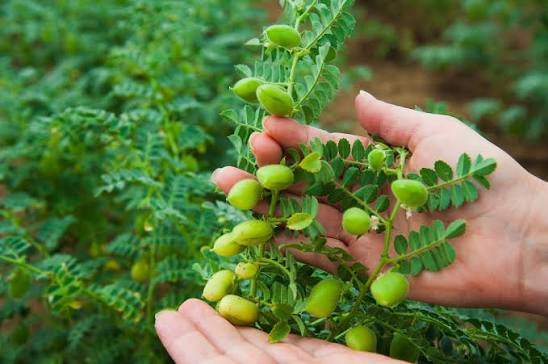
The flowers are generally white, pale pink, bluish or violet according to the variety. Each inflated pod commonly contains one or two rounded seeds. Desi chickpeas are usually smaller, darker and angular with a firm seed coat, while Kabuli chickpeas are generally larger, paler and smoother. Vesana and traditional Indian besan are usually associated with the smaller Bengal gram or desi type.
Chanaka and Vesana in Classical Ayurveda
The Bhavaprakasha Nighantu describes Chanaka as cooling, dry, light and astringent. It is traditionally understood to reduce Kapha and Pitta while increasing Vata. The text also associates it with support in Jwara and Rakta-related conditions, while describing its tendency to produce abdominal obstruction or heaviness when digestion is weak.
Ayurvedic Properties
| Ayurvedic principle | Classical description |
|---|---|
| Rasa — taste | Madhura and Kashaya: mildly sweet and astringent |
| Guna — qualities | Laghu and Ruksha: light and dry |
| Virya — potency | Shita: cooling |
| Dosha action | Pacifies Kapha and Pitta; may increase Vata |
| Principal actions | Balya, Grahi, Ruchya and Kaphahara |
| Digestive caution | May cause Vishtambha, gas or abdominal fullness |
These properties make Vesana suitable for food preparations intended to provide strength without excessive oiliness. Its dryness and astringency can help balance heavy Kapha-dominant dietary patterns. At the same time, the same qualities may disturb Vata when the flour is eaten dry, undercooked, in large quantities or without sufficient digestive spices and unctuous ingredients.
Vesana and Besana: A Classical Distinction
The culinary section of the Bhavaprakasha describes Vesana as flour made from Chanaka while retaining the outer covering. The fibre-rich seed coat increases its dryness, coarseness and astringency.
A later passage describes Besana as flour prepared by removing the husk from chickpea dal and grinding the split seed. This resembles the fine Bengal gram flour widely used in Indian cooking. The removal of the seed coat creates a smoother flour and alters its texture, fibre content and culinary behaviour.
This distinction illustrates the sophistication of Ayurvedic dietetics. Ayurveda studies the plant, the part used, the method of processing, the cooking medium, the accompanying ingredients and the eater’s digestive capacity as a single therapeutic equation.
Effect on the Doshas
Kapha
Vesana’s Ruksha, Laghu and Kashaya qualities help counter the heaviness, oiliness and sluggishness associated with elevated Kapha. Properly cooked chickpea flour preparations may therefore suit individuals who experience excessive heaviness after rich foods.
The final action depends strongly upon the recipe. Large quantities of sugar, deep frying and heavy accompaniments can make the preparation more nourishing and substantial, changing its effect from a dry pulse flour into a richer food.
Pitta
Chanaka is classically described as Shita Virya and Pitta-pacifying. This makes it suitable in food combinations created for warm seasons or Pitta-dominant constitutions, provided the preparation contains moderate spices and oil.
Strong chilli, sour ingredients, repeated frying and excessive salt can transform the overall effect of the dish. The food’s complete formulation determines its impact more accurately than the flour alone.
Vata
Vesana naturally tends to increase Vata because of its dryness, astringency and gas-forming potential. Vata-sensitive individuals may experience bloating, abdominal movement, dryness or constipation after consuming large amounts.
Ayurvedic cooking traditionally balances this tendency through warm preparation, adequate water, ghee or suitable oil, and digestive ingredients such as cumin, ajwain, ginger, black pepper, asafoetida and rock salt. These additions provide warmth, aroma and improved palatability while moderating the flour’s dry character.
Importance of Processing
The Bhavaprakasha describes different actions for different forms of Chanaka. Moist-roasted chickpea is considered strengthening and appetite-promoting. Dry-roasted chickpea becomes especially Ruksha and can aggravate Vata. Boiled Chanaka is described as balancing Kapha and Pitta, while the flour and flatbread preparations may become obstructive or difficult to digest for people with weak Agni.
This explains why one person can comfortably digest soft chickpea soup while experiencing bloating from dry roasted gram or dense besan snacks. The plant remains the same, yet its Samskara—the transformation produced through soaking, grinding, roasting, fermenting, boiling or frying—creates a different physiological experience.
Balya and Nourishing Value
Vesana is traditionally described as Balya, meaning that it supports strength and physical nourishment. Chickpea flour provides a concentrated food base that can be transformed into soups, pancakes, flatbreads, dumplings and sweets.
Modern nutritional research also identifies chickpea as an important source of carbohydrate, protein, dietary fibre and minerals. Its protein complements cereal-based meals, since combining pulses and grains creates a broader amino-acid profile than relying upon either group alone.
This nutritional role corresponds closely with India’s traditional practice of combining Chanaka with wheat, rice, millet, ghee, vegetables and spices. Such combinations improve culinary variety while shaping satiety, digestibility and nutritional balance.
Vesana for Agni and Appetite
Vesana itself has an astringent and dry character, yet selected preparations are described as Ruchya, promoting interest in food, and Balya, supporting strength. Its ability to kindle appetite depends greatly upon processing.
A soft, freshly cooked preparation containing ginger, cumin, asafoetida or ajwain generally supports digestion more effectively than a cold, dense or stale preparation. Ayurveda also gives importance to quantity. A modest serving can feel light and satisfying, while excessive intake may produce Vishtambha, abdominal pressure or sluggish digestion.
Grahi Action
The Kashaya Rasa and Ruksha Guna of Chanaka give it a Grahi or absorbent character. Grahi foods help absorb excess moisture and support the formation of stool after digestion has been adequately kindled.
Grahi action differs from simply drying the body. Ayurveda first evaluates Agni and Ama. A person with weak digestion and abdominal gas may require warming and digestible preparation before a strongly dry or absorbent food becomes suitable.
Traditional Culinary Uses
Vesana and Besana have been used in a wide range of Indian foods:
Chilla or savoury pancakes combine chickpea flour with water and digestive spices. Kadhi uses chickpea flour in a buttermilk-based preparation. Rotika refers to flatbread made from Chanaka flour. Modaka transforms the flour into a nourishing sweet preparation. Fried droplets or dumplings may be served alone or immersed in seasoned liquid preparations. Roasted gram flour also forms part of Saktu-style foods and seasonal drinks.
The official Ayurveda Aahara Compendium recognises several preparations containing Chanaka, including Chanaka Rotika, Chanaka Saktava and Vesana Modaka.
Classical Recipe: Vesana Modaka
The Ayurveda Aahara Compendium records Vesana Modaka, based on references from the Bhavaprakasha Nighantu and the Kritanna section of Ayurveda Chikitsa. It is prepared in the same general manner as Mudga Modaka, replacing green-gram flour with Bengal-gram flour. The official description attributes Balya, Laghu, Shita and Kapha-reducing qualities to the preparation, while also recording its Vata-increasing tendency.
Ingredients
- Vesana or Bengal-gram flour
- Water, as required
- Ghee, for cooking
- Sugar syrup, as required
- A small amount of cardamom may be added for aroma in a household adaptation
Method of Preparation
Prepare a thick, smooth batter by gradually mixing Vesana with water. Heat ghee in a wide, heavy vessel. Pass the batter through a perforated spoon or sieve so that small droplets fall into the hot ghee. Cook them until firm and evenly done.
Remove the cooked droplets and place them briefly in a prepared sugar syrup. Once they absorb sufficient syrup and become easy to handle, gather and shape them into small modaka or round balls. The classical compendium recommends using the freshly prepared food within approximately one week under suitable storage conditions.
The combination of flour, ghee and sugar transforms the dry Chanaka seed into a richer Balya food. Ghee softens the Ruksha quality, while the sweet component increases nourishment and palatability. The preparation remains substantial, making portion size important.
A Lighter Savoury Vesana Preparation
A simpler everyday preparation can be made as a thin chickpea-flour pancake.
Mix Vesana or besan with warm water to create a smooth batter. Add a small quantity of cumin, ajwain, grated ginger, asafoetida, turmeric and rock salt. Rest the batter briefly and cook it as a thin pancake on a warm pan using a small amount of ghee.
This form is generally lighter than a dense sweet or deep-fried preparation. The warming spices help balance Vata, while the thin shape promotes even cooking. Freshly cooked Vesana foods carry better aroma, texture and digestibility than preparations stored for long periods.
Vesana in Jwara and Pitta-Rakta Conditions
The official compendium records Vesana Modaka among classical foods associated with Jwara and Pitta-Rakta conditions. Such traditional indications belong to an individualised Ayurvedic dietary context. The patient’s appetite, stage of illness, digestive strength and physician’s assessment determine whether a solid, sweet chickpea preparation is appropriate.
During fever, Ayurveda commonly changes the diet according to the progression of digestion. Thin liquids and light gruels may suit an early stage, while strengthening preparations may become suitable during recovery when hunger returns.
The Bhavaprakasha Nighantu and Its Culinary Knowledge
The Bhavaprakasha, traditionally associated with Bhavamishra, is an influential Ayurvedic work that brings together medicinal substances, dietary ingredients, prepared foods and clinical knowledge. Its Kritanna or prepared-food discussions reveal that Ayurvedic dietetics extended far beyond lists of herbs.
The text describes how chickpea changes through soaking, roasting, boiling, grinding, dehusking, frying and combining with other ingredients. It identifies Vesana as chickpea flour and discusses preparations derived from it, including larger balls or Vatika and other cooked foods. The manuscript tradition therefore preserves valuable information about historical Indian food technology alongside therapeutic dietetics.
Who May Find Vesana Suitable?
Vesana preparations may suit people with strong or moderate digestion who seek a satisfying pulse-based food. Warm, freshly cooked and moderately spiced dishes generally align well with Kapha-pacifying dietary patterns.
People with dominant Vata, frequent bloating, marked dryness, hard stools or irregular digestion may benefit from smaller portions, thorough cooking, warm accompaniments and suitable digestive spices. Individual response remains the clearest guide.
Precautions
Chickpea flour should be cooked thoroughly. Raw or partly cooked batter can feel heavy and may contribute to digestive discomfort. Large quantities of dry roasted gram, dense besan sweets or repeatedly fried snacks can also challenge weak Agni.
People with a known chickpea or legume allergy require complete avoidance. Sweet Vesana Modaka contains concentrated sugar and ghee, making it unsuitable as a frequent food for people who need strict control of blood glucose, calorie intake or dietary fat. Therapeutic use during fever, bleeding disorders or chronic disease belongs under professional guidance.
Conclusion
Avlehana–Vesana reflects Ayurveda’s refined understanding of food as a transformed medicinal substance. Its source, Cicer arietinum L., provides the classical Chanaka seed, while Vesana represents one of its important flour preparations.
Ayurveda describes Chanaka as light, dry, cooling, mildly sweet and astringent. It supports strength, reduces Kapha and Pitta, and has a natural tendency to increase Vata. Soaking, dehusking, grinding, boiling, frying and combining it with ghee or spices reshape these qualities.
The classical Vesana Modaka demonstrates how a humble pulse flour could become a carefully interpreted food within India’s culinary-medical tradition. Used fresh, properly cooked and matched to digestive capacity, Vesana remains a valuable bridge between nourishment, regional cuisine and Ayurvedic wisdom.
Health Disclaimer
This article presents Ayurvedic and historical information for educational purposes. It does not replace medical diagnosis, treatment or personalised dietary advice. People with allergies, diabetes, digestive disorders, chronic illness, pregnancy or ongoing medication should consult a qualified healthcare professional or Ayurvedic physician before using food preparations for therapeutic purposes.
You may also like
-
Indian MedTech Startup Periwinkle Takes Rapid AI Cervical Cancer Screening to BRICS
-
WHO Chief Praises India’s Gains in Maternal, Child Health and NCD Care
-
Ayurvedic Foods for Liver Health and Digestion
-
Ayurvedic Diet for Joint Health and Stiffness
-
Ayurvedic Breakfasts: What Traditional Ayurveda Suggests for the First Meal of the Day
