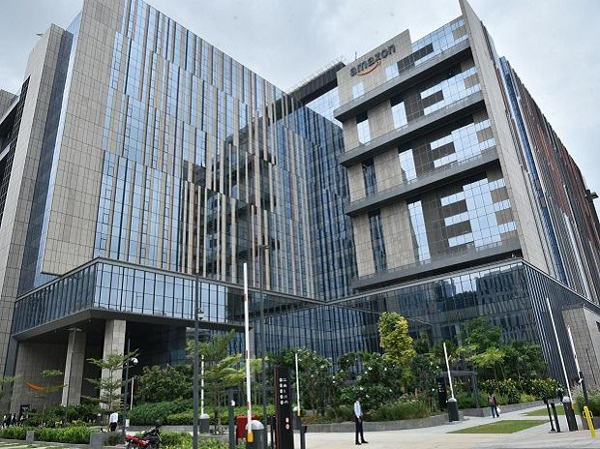
India’s commercial office market is entering another strong growth phase, with leasing activity expected to remain resilient through FY27. The sector is being supported by a powerful mix of global capability centre expansion, rising demand for flexible workspaces, steady rental growth and disciplined new supply. Together, these trends show that India’s office real estate market has moved beyond post-pandemic recovery and is now building a more durable growth cycle.
Office absorption is expected to rise strongly in FY26 and continue its momentum in FY27, when gross leasing may touch 85–90 million square feet. This would mark another important milestone for India’s commercial real estate industry. The demand is coming from companies that are expanding long-term operations in India, especially global firms that are using the country as a major hub for technology, engineering, finance, analytics, research and business support.
The biggest driver of this demand is the rise of global capability centres, commonly known as GCCs. These centres are no longer simple back-office units. Many of them now handle high-value work such as artificial intelligence, cybersecurity, chip design, financial modelling, product engineering, legal operations, data science and global customer support. As multinational companies deepen their India presence, they need large, modern, high-quality office spaces with strong connectivity, reliable infrastructure and access to skilled talent.
GCCs are expected to account for nearly half of India’s office demand in FY27. This is a major structural shift. Earlier, India’s office market was heavily associated with traditional IT services and domestic corporate expansion. Today, the demand base is broader and more strategic. Global companies are taking long-term leases, building integrated campuses, choosing premium Grade-A assets and investing in workplace quality to attract talent.
Flexible workspaces are the second major growth engine. Companies are increasingly using managed offices, coworking centres and enterprise-grade flex spaces to reduce upfront capital expenditure and maintain business agility. Flex operators are expected to contribute a large share of leasing activity in FY27, especially in markets where companies want scalable offices without committing immediately to traditional long-term formats.
This trend is especially important in a hybrid work environment. Businesses want offices that can expand or contract with workforce needs. Start-ups, domestic companies, GCCs and large enterprises are all using flex spaces in different ways. For some, flex offices are an entry strategy into a new city. For others, they are overflow spaces, project hubs or fully managed corporate workplaces. This has turned flexible workspace operators into major institutional occupiers in India’s commercial property market.
The market is also being supported by controlled supply. Developers are focusing more on completing existing projects and securing pre-commitments rather than launching speculative office stock. This is helping maintain balance between supply and demand. Total office stock is expected to rise steadily by FY27, but the under-construction share remains controlled, which reduces the risk of oversupply in strong micro-markets.
Vacancy levels are expected to remain within a manageable range. This is a healthy sign for landlords, investors and occupiers. Stable vacancy allows companies to find space for expansion while also giving owners of quality assets the ability to maintain rental growth. Rentals are expected to rise in FY27, especially in premium, green-certified, tech-enabled and well-leased office properties.
Grade-A office assets are likely to remain the strongest performers. Large occupiers increasingly prefer buildings with better energy efficiency, modern amenities, reliable property management, strong digital infrastructure and compliance-ready facilities. This is creating a clear difference between institutional-grade office assets and weaker properties in oversupplied or poorly connected locations.
REIT-backed portfolios are also well positioned in this cycle. Their assets are generally completed, leased, professionally managed and located in strong business corridors. As demand from GCCs and flex operators remains strong, REIT-grade office properties can benefit from stable occupancy, rental resets and long-term tenant stickiness. This strengthens the investment case for India’s commercial real estate sector.
The outlook also reflects India’s wider economic positioning. The country offers a large talent pool, competitive operating costs, growing digital infrastructure and expanding urban business clusters. Bengaluru, Hyderabad, Chennai, Pune, Mumbai and the National Capital Region continue to attract demand, while select emerging corridors are also gaining attention. Companies are choosing India because it offers both scale and capability.
There are some pressures to monitor. Higher crude prices, currency volatility, imported inflation and construction-cost increases can affect project timelines and investment decisions. Fit-out costs, logistics expenses and financing conditions can also influence how quickly under-construction projects are completed. These risks are more relevant for developers with leveraged or unfinished projects than for owners of completed, leased office assets.
The overall demand picture, however, remains strong. India’s office market is being shaped by real business expansion rather than temporary leasing spikes. GCCs are creating long-term demand, flex spaces are adding agility, and Grade-A assets are becoming central to corporate growth strategies. This combination gives the sector depth and stability.
The FY27 projection of 85–90 million square feet reflects a larger story: India is becoming one of the world’s most important office destinations. The country is no longer just absorbing workplace demand from domestic companies. It is becoming a global operations base for multinational enterprises, a flexible workplace hub for new-age firms and an investment-grade market for institutional real estate capital.
If the current trend continues, India’s commercial office sector will remain one of the strongest pillars of the real estate economy. The next stage of growth will depend on quality supply, efficient urban infrastructure, green buildings, talent availability and timely project execution. For now, the message from the market is clear: India’s office leasing cycle remains strong, resilient and increasingly global in character.
You may also like
-
Vietnam Expands Business and Investment Links Across India’s Major Economic Hubs
-
India’s GST Collections Rise 14.7% to ₹2.04 Lakh Crore in September
-
SberIndia Lending to Indian Companies Quadruples as India-Russia Trade Finance Expands
-
India Manufacturing PMI Rises to Seven-Month High of 55.1 in September
-
Nothing and Optiemus Announce $100 Million Joint Venture to Expand Smartphone Manufacturing in India
