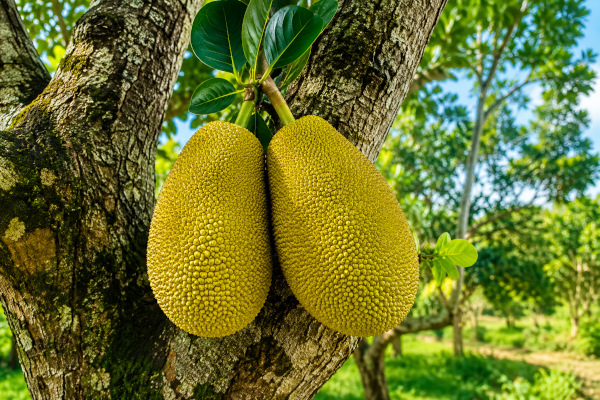
Jackfruit, known in Sanskrit as Panasa Phala, is one of India’s most majestic food trees. In Kerala it is called Chakka. In Tamil it is Palaa Pazham. In Hindi it is Kathal. In botanical language, it is Artocarpus heterophyllus. In everyday life, it is a fruit, vegetable, seed food, seasonal delicacy, famine food, household medicine and cultural memory.
Few trees give as generously as the jackfruit tree. Its tender fruit becomes curry. Its ripe bulbs become sweet food. Its seeds become roasted, boiled and curried nourishment. Its leaves are used in traditional cooking and ritual life. Its wood has value in furniture, temple craft and classical instruments. Its latex and other parts have old folk uses. The entire tree stands as a symbol of rural abundance.
Ayurveda sees food through qualities. A food is understood by its taste, heaviness, heat or coolness, post-digestive effect and impact on the doshas. In this view, Panasa is not merely a sweet fruit. It is a heavy, strengthening and nourishing food that must be eaten with proper understanding of digestion, season, body type and preparation.
This is the Ayurvedic wisdom of jackfruit: it gives strength when digestion is ready for it.
Ayurvedic Identity of Panasa
Sanskrit name: Panasa
Common English name: Jackfruit
Botanical name: Artocarpus heterophyllus
Family: Moraceae
Common Indian names: Chakka, Kathal, Palaa, Phanas, Halasina Hannu
In Ayurveda, Panasa is generally associated with nourishment, strength and heaviness. The ripe fruit is sweet, filling and building. The unripe fruit is used as a vegetable and has a denser, more fibrous nature. The seed is also nourishing but needs proper cooking. Each form has a different effect on the body.
Rasa: Madhura, with mild Kashaya quality in some parts
Guna: Guru, Snigdha
Virya: Generally Sheeta
Vipaka: Madhura
Main action: Brimhana, Balya, nourishing, strengthening
Dosha effect: Supports Vata when well cooked with spices and ghee; may increase Kapha when overeaten; needs care in weak digestion
The most important word for jackfruit in Ayurveda is Guru, meaning heavy. This does not make it unsuitable. It means the fruit is powerful and dense. Heavy foods can build strength, but they demand good digestive fire. Panasa is therefore best for people with strong agni, active lifestyles and need for nourishment.
Panasa as Food is Medicine
The jackfruit tree teaches a deep Ayurvedic lesson: food becomes medicine when the right part is used in the right form.
Ripe jackfruit is sweet, satisfying and energy-giving. It supports strength, fullness and joy. It is ideal as a seasonal fruit in moderation. It suits people who need nourishment, weight support and energy, provided digestion is strong.
Tender jackfruit is used as a vegetable. It has a fibrous, meaty texture and absorbs spices beautifully. In Kerala homes, chakka puzhukku, chakka curry and tender jackfruit preparations are deeply rooted in seasonal eating. When cooked with coconut, cumin, pepper, turmeric, curry leaves and a little ghee or coconut oil, it becomes a wholesome meal.
Jackfruit seeds are strengthening and filling. They are boiled, roasted or cooked into curries. They need proper cooking because the seed is dense. In many Indian homes, roasted or curried jackfruit seed is treated as a rustic seasonal protein food.
Jackfruit leaves are traditionally used in steaming, wrapping and ritual food contexts. In some folk traditions, different parts of the tree are used for local remedies. Ayurveda and ethnomedicine both recognise that Panasa is a multi-use tree.
The Ripe Fruit: Sweet, Heavy and Strength-Giving
Ripe jackfruit has a rich aroma and a deep sweetness. Ayurveda understands such foods as building and satisfying. They nourish rasa and mamsa dhatu when digestion is strong. They bring fullness, taste and energy. They are especially loved in tropical regions where seasonal fruits form part of the body’s rhythm with nature.
Ripe Panasa is best eaten in the daytime. It suits the season when the fruit naturally ripens. It should be taken in moderate quantity, chewed well and eaten away from heavy meals. A few ripe bulbs can be enjoyable and nourishing. A large quantity can produce heaviness, gas, sluggishness or excess Kapha.
The ripe fruit is better for people who are active, lean, dry, tired or in need of nourishment. It is less suitable for those with strong Kapha symptoms, poor digestion, frequent bloating, heaviness after meals or uncontrolled blood sugar issues.
Ayurveda never asks us to fear food. It asks us to respect quantity.
Tender Jackfruit: The Vegetable Form of Panasa
Tender jackfruit is one of the finest examples of Indian culinary intelligence. Before it becomes a sweet fruit, jackfruit can be cut, cooked and used as a vegetable. Its texture is firm and fibrous. This makes it filling and satisfying.
In Ayurveda, tender jackfruit still carries heaviness. It should be cooked thoroughly with digestive spices. Cumin, black pepper, ginger, turmeric, curry leaves, mustard seed and hing make it easier for the stomach. Coconut may be used in traditional preparations, but people with Kapha dominance should use it moderately.
Tender jackfruit curry is best taken with rice, kanji or millet in a simple meal. It is not ideal with many other heavy dishes. When the meal is built around jackfruit, the body handles it better.
This is how traditional food wisdom works. Heavy foods are not rejected. They are balanced with spices, cooking method, meal timing and portion.
Jackfruit Seeds: Chakkakuru as Seasonal Strength Food
Jackfruit seeds are a treasure. In Kerala kitchens, chakkakuru becomes curry, stir-fry, roasted snack, avial ingredient and side dish. The seed is nourishing, dense and satisfying. It carries the quality of stored energy.
The seed should be cooked well. Boiling, roasting or pressure-cooking improves its digestibility. The outer covering is removed before use. It pairs well with pepper, cumin, turmeric, curry leaves, coconut, drumstick, raw mango and other seasonal ingredients.
From an Ayurvedic view, jackfruit seed is not a light snack. It is a proper food. It suits people who need strength and satiety. It can feel heavy for those with weak agni. People who experience gas after eating legumes or tubers should take it in small portions with warming spices.
When used wisely, chakkakuru becomes an excellent example of zero-waste Indian food culture. The fruit is eaten. The seed is cooked. The leaves and wood have their place. The tree serves the household completely.
Panasa and the Three Doshas
For Vata, jackfruit can be supportive when cooked properly. Vata needs warmth, oiliness and nourishment. Tender jackfruit cooked with ghee or coconut oil, ginger, cumin and hing can be grounding. Raw, dry, undercooked or excessive seed preparations may produce gas and discomfort.
For Pitta, ripe jackfruit may be pleasant because of its sweetness and cooling tendency. It should be eaten in moderation. Very spicy jackfruit curries can disturb Pitta. Pitta types do better with balanced preparations using coriander, cumin, coconut and mild spices.
For Kapha, jackfruit requires the most care. Its heaviness and sweetness can increase lethargy, mucus tendency and sluggish digestion if eaten excessively. Kapha types should prefer tender jackfruit cooked with pepper, ginger, mustard, curry leaves and less coconut. Ripe fruit should be taken in small quantity.
Best Ayurvedic Ways to Eat Jackfruit
The best time to eat ripe jackfruit is during the day, preferably when digestion is active. It should not be eaten late at night. Heavy fruits at night can sit in the stomach and create discomfort.
Tender jackfruit is best taken as lunch rather than dinner. Lunch is the time when agni is naturally stronger. A well-spiced jackfruit curry with rice and a light rasam or buttermilk-based side can make a balanced traditional meal.
Jackfruit seed curry should also be taken in daytime. It is dense and filling. A small portion is enough.
Ripe jackfruit should not be combined with heavy milk sweets, deep-fried foods or a large mixed meal. Simple eating protects digestion.
Kerala’s Chakka Tradition
Kerala has one of the richest jackfruit food cultures in India. Chakka puzhukku, chakka avial, chakka curry, chakka varatti, chakka payasam, chakkakuru mezhukkupuratti and chakkakuru manga curry show how deeply the fruit is woven into household life.
Chakka puzhukku is especially important. Tender or mature jackfruit is cooked with coconut, cumin, turmeric and mild spices. It is filling and rustic. For an active farming household, such a dish gives energy and satiety. For a sedentary person, the portion should be smaller.
Chakka varatti, the thick jackfruit preserve made with jaggery and ghee, is a festive preparation. It is delicious and heavy. Ayurveda would treat it as a strength-giving sweet to be eaten in small quantity, ideally during seasons and occasions where the body can handle it.
Chakkakuru with raw mango is another beautiful example of taste balance. The seed is heavy and earthy. Raw mango adds sourness and sharpness. Spices kindle digestion. The dish becomes more balanced than the seed alone.
Modern Nutrition and Jackfruit
Modern nutrition also recognises jackfruit as a nutrient-rich tropical fruit. It contains carbohydrates, fibre, minerals, vitamins and natural plant compounds. The ripe fruit gives quick energy because of its natural sugars. The unripe fruit gives more fibrous bulk. The seeds contain starch, protein and minerals and are increasingly studied as a useful food ingredient.
Jackfruit also contains phytochemicals such as flavonoids, carotenoids and other antioxidant compounds. Modern studies are exploring its possible role in metabolic health, inflammation, antimicrobial activity and food security. Many of these findings are still developing, so the safest approach is to value jackfruit as a wholesome traditional food rather than present it as a cure.
This matches Ayurveda beautifully. Ayurveda does not need a food to be marketed as a miracle. A food is valuable when it supports life, digestion, strength and seasonal balance.
Simple Ayurvedic Jackfruit Preparations
Tender Jackfruit Digestive Curry
Cook tender jackfruit until soft. Add turmeric, cumin, black pepper, ginger, curry leaves and a little coconut. Temper with mustard seed in coconut oil or ghee. This preparation supports digestion better than heavy, oily versions.
Chakka Puzhukku
Cook mature jackfruit pieces with turmeric and salt. Add a ground mixture of coconut, cumin and green chilli in moderation. Finish with curry leaves and coconut oil. This is a traditional strengthening food.
Jackfruit Seed Pepper Fry
Boil jackfruit seeds until soft. Remove the outer layer. Slice and sauté with black pepper, cumin, turmeric, curry leaves and a little ghee or coconut oil. This is warming and better for Kapha than sweet seed preparations.
Ripe Jackfruit Seasonal Bowl
Eat a small serving of ripe bulbs during daytime. Add a pinch of dry ginger powder or cardamom if digestion is slow. Keep the serving simple and avoid mixing it with heavy desserts.
Chakkakuru Mango Curry
Cook jackfruit seeds with raw mango, turmeric, cumin and coconut. The sourness of mango helps balance the density of the seed. This is a classic example of traditional taste intelligence.
When Jackfruit Should Be Taken Carefully
People with weak digestion should begin with small portions. Jackfruit is heavy and may produce bloating when agni is low.
People with Kapha dominance, sluggish metabolism or excess heaviness should avoid large quantities of ripe jackfruit and sweet jackfruit preparations.
People with diabetes or blood sugar concerns should be careful with ripe jackfruit because it contains natural sugars. Portion size and meal context matter.
People with kidney disease or potassium restriction should follow medical advice before increasing jackfruit intake.
People with latex or birch pollen allergy may react to jackfruit and should be cautious.
Raw or undercooked seeds can cause digestive discomfort. Seeds should be cooked properly before eating.
Panasa as a Tree of Abundance
The jackfruit tree is more than a food source. It is a symbol of rooted prosperity. A single tree can feed a family through fruit, vegetable and seed. It offers shade, wood, leaves and seasonal nourishment. It stands close to the Indian idea of a household tree: useful, generous and sacred in its own quiet way.
In Ayurveda, abundance must be balanced by digestion. Panasa gives plenty, but the body must receive it with discipline. A small portion eaten at the right time becomes nourishment. A large portion eaten with weak digestion becomes heaviness. This is the heart of Ayurvedic food wisdom.
Conclusion
Panasa Phala, the jackfruit, is one of India’s great nourishing foods. It is sweet, heavy, strengthening and deeply satisfying. Its tender fruit feeds the household as a vegetable. Its ripe fruit brings seasonal sweetness. Its seeds provide rustic strength. Its tree supports food culture, village life and traditional medicine.
Jackfruit reminds us that Ayurveda is not distant from the kitchen. It lives in seasonal eating, careful cooking, spice balance, portion wisdom and respect for digestion.
Panasa is food as medicine when eaten with awareness. It builds strength when agni is ready. It gives joy when taken in moderation. It carries the memory of Indian homes, Kerala kitchens, village abundance and the old truth that the best medicine often grows in the courtyard.
You may also like
-
The Ayurvedic Approach to Work-Life Balance: Restoring Harmony Between Work, Health and Personal Life
-
Ayurveda and Mental Fatigue in the Digital Age: Ancient Wisdom for a Calm and Focused Mind
-
Bharat Biotech’s Nucelion and VeGen Bio Partner to Manufacture Advanced Dual-Target CAR-T Cancer Therapy in India
-
Ayurveda and Anger: How Emotional Excess Affects Physical and Mental Health
-
Ayurveda and Stress: Daily Practices for Mental Balance and Emotional Well-Being
