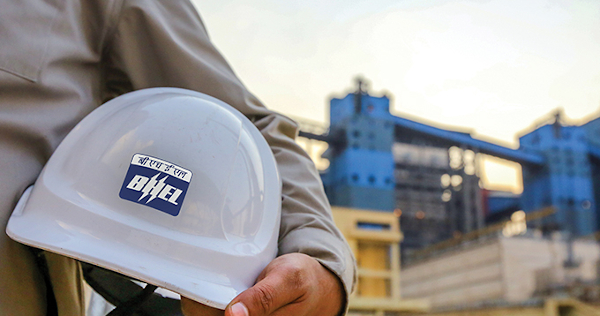
Bharat Heavy Electricals Limited has invited foreign companies to use its facilities to set up manufacturing bases in the country. The government-owned company has floated an expression of interest in this regard.
The stock surged nearly 10% in two days before cooling off, as investors cheered the initiative of a state-owned company looking to invite foreign companies on the fence in China and at the same time resolve its cash flow issues — two birds with one stone.
For the year 2020 so far, BHEL’s stock has lost half its value due to the company missing FY20 sales by 15-20%, exacerbated further by the nationwide lockdown and the resulting cash flow concerns, IIFL securities said in its report dated April 20, 2020.
“Over the past few weeks, new risks have emerged (of 2nd wave) and hence social distancing is likely to last longer – hampering operations as well as demand across sectors. This will lead to underutilized capacities in the interim, and cash flow issues,” said Axis Capital in its report dated April 21, 2020.
The research firm gave BHEL a ‘Buy’ rating with a target price of ₹32, which is an upside of 41% on the current market price of ₹23.
BHEL may sell a few units, suggests a new report
According to an IANS report, BHEL may sell four to five units of its non-core manufacturing business under government’s asset monetisation process during the ongoing financial year. The government also plans to dilute its equity in power equipment manufacturing entity to 26 per cent in phases under the plan unveiled in last years budget.
According to official sources, out of the total 16 manufacturing units of the company, few units which do not have material synergies with its core business, such as transportation and water may be put to sale.
BHEL has 16 manufacturing facilities across India and has manpower strength of more than 34,000 with 9,000 engineers. This should augur well for foreign companies looking for qualified and skilled labour. “A key lesson for businesses is that the decentralization of manufacturing will have to be adopted as a major strategy to mitigate disruption risks associated with concentrated and localized operations,” BHEL said on May 4.
“Rising trade war tensions between the US and China and dire economic news at home have added to the negative sentiment. The lockdown extension and fear that the economy and businesses will take longer to get back on track impacted the markets,” said Vinod Nair, Head of Research at Geojit Financial Services to Economic Times.
Source: Business Insider
Image Courtesy: BHEL
You may also like
-
BRICS Looks Beneath the Oceans as Bloc Moves Toward High-Speed Submarine Cable Network
-
RVNL Completes 10.8-km Himalayan Escape Tunnel as Rishikesh–Karnaprayag Rail Project Nears Final Tunnelling Stage
-
Indian Railways Freight Loading Rises 5.4% in August as Passenger and Cargo Connectivity Expands
-
South Africa Invites Indian Firms Into $100-Billion Infrastructure Pipeline as BRICS Ties Deepen
-
NRL’s World-First Bamboo 2G Ethanol Plant Produces Fuel, Moves Toward Commercial Operations
