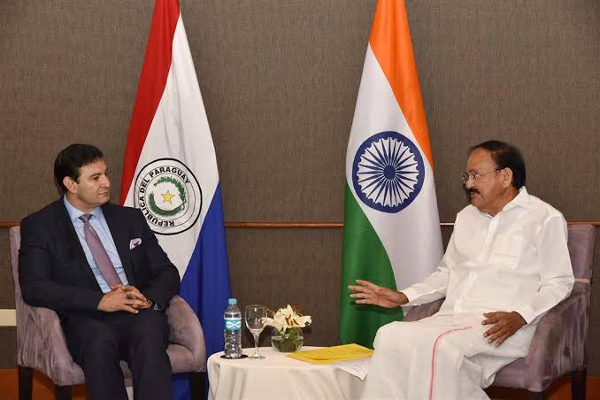
The Union Cabinet chaired by the Prime Minister Shri Narendra Modi has given ex-post facto approval to the Memorandum of Understanding (MoU) between India and Paraguay for Strengthening Cooperation in the field of Tourism. The MoU was signed in New Delhi on 27th September 2019.
Salient features and main objectives of the MoU:
- Expansion of bilateral cooperation in the tourism sector.
- Exchange of information and data related to tourism.
- Encouraging cooperation between tourism stakeholders including Hotels and Tour Operators and airlines.
- Establishing exchange programmes for cooperation in Human Resource Development.
- Investment in the Tourism and Hospitality sectors.
- Exchanging visits of Tour Operators/Media/Opinion-Makers for promotion of two-way tourism.
- Exchange of experience in the areas of promotion, marketing destination, development and management.
- Participation in travel fairs/exhibitions in each other’s country; and
- Promoting safe, honourable and sustainable tourism.
Benefits:
The MoU between India and Paraguay will help the two nations in creating an institutional mechanism for enhancing cooperation in the tourism sector. It will further help India in increasing foreign tourist arrivals from Paraguay, which in turn, will result in economic development and employment generation. It will create favourable conditions for long-term tourism cooperation for the mutual benefits of all stakeholders within the broader framework and areas of cooperation.The MoU will explore to incorporate the best practices in order to implement the measures that will realize the objectives set out in this MoU.
Source: IBEF
Image Courtesy: Odisha Diary
You may also like
-
Yudhishthira’s Counter-Diplomacy With Shalya: Working With an Ally Who Has Joined the Other Side
-
India and Switzerland Expand Trade, Mobility, Infrastructure and Technology Partnership
-
Indian Defence Production Delegation Visits Saab in Sweden as Defence Co-Manufacturing Talks Deepen
-
US Pacific Command Chief Admiral Samuel Paparo Begins Six-Day India Visit
-
Swiss President Guy Parmelin Begins Three-Day State Visit to India as TEPA Enters Second Year
