India’s rural women entrepreneurship movement is set for a major market expansion, with the Ministry of Rural Development proposing the establishment of 700 SHE-MARTs and 1,000 District Fulfilment Centres to strengthen the income base of Self-Help Group members and support the creation of six crore Lakhpati Didis.
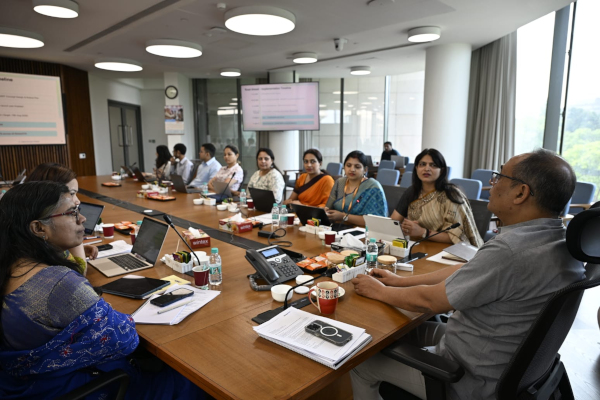
The proposal was reviewed during a meeting chaired by Rohit Kansal, Secretary, Department of Rural Development. The discussion focused on the progress of the Deendayal Antyodaya Yojana – National Rural Livelihoods Mission and its related initiatives. Senior officials from the Rural Livelihoods Division and the National Mission Management Unit also participated in the review.
The core purpose of the plan is to move rural women from livelihood activity to enterprise ownership. Across India, Self-Help Groups have already created a strong base of women producers, artisans, food processors, weavers, craft makers and service providers. The next stage is to connect these producers with organised markets, professional retail channels, digital platforms and stronger financial systems.
The proposed SHE-MARTs are planned for high-potential commercial locations with strong backward and forward market linkages. This can give SHG products better visibility, steady customer access and a more professional retail presence. For rural women entrepreneurs, such stores can become more than sales points. They can become brand windows for local products, regional skills and community-owned enterprises.
The 1,000 District Fulfilment Centres can play an equally important role in the supply chain. Rural products often face challenges in aggregation, storage, packaging, dispatch and timely delivery. District-level fulfilment infrastructure can help SHG enterprises serve physical stores, online platforms, exhibitions and bulk buyers with greater consistency.
The Ministry is also considering Centres of Excellence and stronger State-Level Federations to support SHG-led enterprises. These institutions can help with design improvement, product innovation, packaging, quality compliance, training and business readiness. Such support is vital because market access alone succeeds when products meet customer expectations in quality, presentation and reliability.
The meeting also reviewed the need for a unified national marketing identity for Saras Aajeevika. This brand approach aims to bring fragmented SHG products under a single premium and culturally rooted identity. A stronger national brand can improve customer trust, product positioning and recognition across retail outlets, fairs and digital marketplaces.
The redesigned e-Saras portal was another major point of discussion. The platform is being transformed from a single-vendor website into a multi-vendor, omni-channel marketplace. This shift can expand the digital reach of SHG products and allow more women-led enterprises to sell beyond local markets. Digital commerce can become a powerful income multiplier for rural producers when supported by logistics, training and payments infrastructure.
The review also covered the reimagining of the Saras Gallery at Connaught Place in New Delhi. The plan focuses on creating a more immersive customer experience and improving retail performance. A stronger flagship store in the national capital can help showcase the quality, diversity and cultural richness of SHG products to domestic and international buyers.
SARAS Melas will also receive renewed focus. The Secretary directed the development and issuance of revised SARAS Mela Guidelines and encouraged an increase in the number of such fairs at national and state levels. These melas offer direct sales opportunities, customer interaction and brand exposure for SHG members. They also help rural producers understand market demand, pricing, packaging and consumer preferences.
The Ministry also plans to launch a Producer Group App and address delays in loan applications submitted through the Jan Samarth Portal. Financial inclusion remains central to the Lakhpati Didi mission because enterprise growth depends on timely credit, working capital and awareness among bankers. Greater sensitisation of banks regarding DAY-NRLM credit-linked schemes can improve access to formal finance for women entrepreneurs.
The proposed awards framework adds another important layer to the rural enterprise ecosystem. Categories such as Best Performing State, Best Women Entrepreneur, Best Digitalization Initiative, Highest SHG Fund Transfer Achievement and Lakhpati Didi Award can recognise excellence and inspire wider participation. Public recognition can strengthen confidence among women entrepreneurs and community institutions.
A detailed set of operational guidelines was also presented during the meeting. These guidelines are expected to provide standard procedures, clear roles, timelines and implementation processes for States and Union Territories. Such clarity is important because a nationwide initiative involving retail systems, fulfilment centres, digital platforms, financial linkages and training requires coordination at every level.
The larger message of the review is clear. India’s rural livelihood mission is moving from income support toward enterprise building. The goal is to create women-led businesses that can compete in organised markets, use digital commerce, access finance and build sustainable incomes.
The proposed 700 SHE-MARTs and 1,000 District Fulfilment Centres can become major pillars of this transformation. They can connect village-level production with district supply chains, national branding, e-commerce platforms and premium markets. For millions of rural women, this can turn skill into enterprise and enterprise into prosperity.
The Lakhpati Didi mission represents a powerful model of grassroots economic growth. It places rural women at the centre of India’s development story and gives them tools for income, dignity and leadership. With stronger marketing systems, retail infrastructure, digital platforms and credit support, SHG-led enterprises can become a major force in India’s rural economy.
You may also like
-
GeM’s AABHAR Collection Showcases 294 Indigenous Products, Strengthens Market Access for Indian Artisans
-
Balaghat Chinnor Rice of Madhya Pradesh: The Fragrant Heritage Grain with GI Recognition
-
Indian Semiconductor Companies Propose New Manufacturing and Chip Design Investments in Madhya Pradesh
-
CSIR-CRRI Partners with Industry to Develop Advanced Indigenous Airport Runway and Pavement Materials
-
Paras Semiconductors Secures 43 Acres in Madhya Pradesh for Proposed ₹6,200 Crore Advanced Chip Packaging Facility
