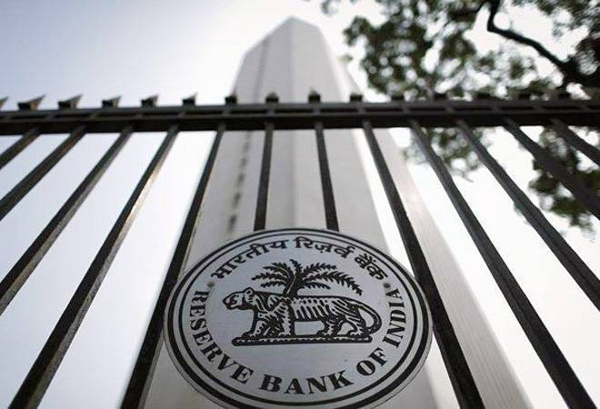
The Reserve Bank of India has allowed authorised dealer banks to open repatriable rupee accounts for overseas individuals investing in listed Indian companies. The move gives foreign individual investors a dedicated banking channel for investing in Indian listed equities and operationalises the government’s decision to widen direct equity market access beyond Non-Resident Indians and Overseas Citizens of India.
The new norms came into effect immediately through an RBI notification issued on 13 June 2026 and uploaded on 15 June 2026. The central bank amended foreign exchange regulations related to payment and reporting requirements for non-debt investments after the Centre changed the Foreign Exchange Management (Non-Debt Instruments) Rules, 2019.
The biggest change is the inclusion of all individuals resident outside India for investment in equity instruments of listed Indian companies under the relevant framework. Earlier, direct individual access to such routes was largely associated with NRIs and OCIs. The new framework expands the investor base by creating a path for overseas individuals who want regulated exposure to Indian listed companies.
Under the revised system, overseas individual investors can bring funds into India through inward remittances or use money held in repatriable deposit accounts. They must designate a repatriable rupee account that will be used only for investments under this route. This account will serve as the banking link between the investor, the authorised dealer bank and the listed equity investment process.
The repatriation feature is important. Sale proceeds from equity investments can be sent back overseas or credited to the designated rupee account after applicable taxes are paid. This gives overseas investors clarity on both entry and exit, which is essential for any regulated cross-border investment route.
The RBI has also added a new reporting category called Individual Foreign Investor, or IFI. Authorised dealer banks will report purchases and transfers of equity instruments made by overseas individuals, including NRIs and OCIs, under this category. This reporting structure gives the regulator a clearer view of individual foreign participation in Indian listed companies.
The policy has two clear objectives. The first is to simplify the process for foreign individuals seeking to invest in Indian equities through a transparent banking route. The second is to deepen participation in India’s capital markets by attracting more overseas savings into listed Indian companies. A dedicated rupee account reduces operational confusion and gives banks a defined compliance channel.
The move also fits India’s wider financial-market strategy. India has been working to make its markets deeper, more accessible and more globally integrated while retaining regulatory oversight. Equity market participation from overseas individuals can support liquidity, broaden the investor base and strengthen India’s profile as a long-term investment destination.
For listed Indian companies, a wider overseas individual investor base can improve visibility among global retail and high-net-worth investors. It can also support companies that are seeking broader international ownership, especially in sectors where India has strong growth narratives such as manufacturing, technology, financial services, consumer goods, infrastructure, healthcare and digital platforms.
For authorised dealer banks, the change creates a new operational responsibility. Banks will need to manage designated accounts, monitor permitted credits and debits, ensure tax compliance before repatriation, maintain reporting under the IFI category and align transactions with FEMA rules. This places banks at the centre of both facilitation and compliance.
The notification also revises provisions connected with investments in shares of Indian companies listed on international exchanges. It specifies permissible payment methods and the repatriation process for sale proceeds. This widens the framework beyond domestic listed equity transactions and aligns foreign investor access with India’s emerging international listing architecture.
The larger message is clear. India is creating a more structured gateway for overseas individuals to invest in Indian listed companies. The rupee account mechanism gives investors a defined route, banks a reporting framework and regulators better visibility. As India’s economy grows and its capital markets attract global attention, such regulatory changes can help convert foreign interest into organised, transparent and compliant investment flows.
You may also like
-
India to Track Challenges Faced by Women Entrepreneurs in New National Business Survey
-
India Updates Vehicle Rules to Strengthen E85 and E100 Flex-Fuel Technology
-
Adani Green Energy Expands Battery Storage to 6.63 GWh at Khavda, Strengthening India’s Renewable Power Infrastructure
-
Manastu Space Secures ₹116 Crore Government Support to Develop Indigenous Green Propulsion Systems
-
GeM’s AABHAR Collection Showcases 294 Indigenous Products, Strengthens Market Access for Indian Artisans
