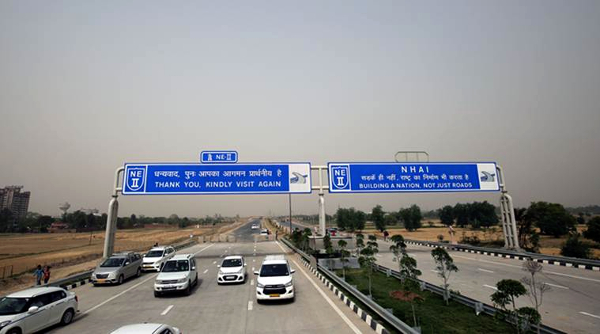
India’s National Highway maintenance system is moving towards a more technology-driven model, with the National Highways Authority of India introducing mechanized drain cleaning, automatic pothole filling systems and advanced road sweeping machines across National Highways and Expressways. The initiative marks a major shift from conventional maintenance methods to faster, cleaner and more systematic highway upkeep.
According to the Press Information Bureau release issued on 9 June 2026, NHAI has brought in a set of technology-based measures to improve the efficiency and quality of highway maintenance. The new guidelines cover mechanized maintenance of drainage systems in urban and built-up highway sections, along with the use of Automatic Pothole Filling, Compacting and Patching Machines and Mechanized Road Sweeping Machines.
The timing of the move is important because the monsoon season places heavy pressure on highway drainage systems. Waterlogging, blocked drains, silt accumulation and damaged road shoulders can reduce road safety and affect traffic movement. By mandating mechanized cleaning of lined drains in urban and built-up areas of National Highways and Expressways, NHAI is giving drainage maintenance a more preventive and time-bound structure.
The mechanized drain cleaning framework will use advanced equipment such as High-Flow Super Suction and Jetting Units, Hydraulic Grab Machines and Dewatering Pump Sets. These machines will work together to remove water, loosen accumulated silt, suck out slurry and clear heavy debris from drainage channels. This integrated system can make stormwater management faster and more effective, especially in highway stretches that pass through dense traffic corridors and urban settlements.
A key part of the announcement is that mechanized cleaning will become a mandatory provision in future maintenance contracts for urban National Highway sections. This creates a stronger contractual framework for quality control. Contractors and concessionaires have also been directed to follow prescribed maintenance programmes and inspection schedules for drain cleaning and repair. NHAI will monitor compliance with rectification timelines so that drainage-related deficiencies are addressed in a time-bound manner.
The second major part of the initiative focuses on faster pavement repair. NHAI has issued guidelines for deploying Automatic Pothole Filling, Compacting and Patching Machines under Performance-Based Maintenance Contracts. These machines are designed to speed up pothole repair, reduce response time and minimise inconvenience for highway users. Timely repair of potholes and pavement defects improves ride quality and helps preserve the structural strength of highways.
This is especially significant for high-speed corridors and heavily used freight routes. A small pothole on a major highway can quickly become a safety hazard, damage vehicles, slow down traffic and increase maintenance costs. Automated pothole repair systems can help maintenance teams respond faster with better compaction and finishing. The result is smoother movement, safer journeys and longer pavement life.
The third part of the announcement deals with mechanized road sweeping. NHAI has included Mechanized Road Sweeping Machines in the list of equipment to be deployed under highway maintenance contracts. These machines will clean highway corridors and paved shoulders by removing dust, silt and loose particulate matter. Cleaner road surfaces can improve visibility, reduce dust pollution and support better road safety.
PIB also noted that such machines have already been deployed on the Varanasi-Aurangabad National Highway, the Handia-Rajatalab National Highway and various other projects in Haryana, Punjab and Gujarat. These deployments show that the model is already being tested and used on important road stretches before wider adoption across the national network.
The larger message behind the initiative is clear. India’s highway system is expanding rapidly, and maintenance must now match the scale and speed of infrastructure growth. Building roads is one part of national infrastructure development. Keeping them clean, safe, smooth and climate-ready is equally important. Mechanized maintenance brings predictability, better monitoring and stronger accountability into this process.
The adoption of mechanized drain cleaning, automated pothole repair and advanced sweeping technology can also improve sustainability. Efficient drainage reduces water damage to pavements. Faster pothole repair reduces long-term road deterioration. Mechanized sweeping reduces dust and improves corridor cleanliness. Together, these measures can reduce lifecycle maintenance costs while improving the travel experience for citizens, logistics operators and highway commuters.
NHAI’s new approach therefore represents a practical upgrade in India’s road management system. It combines preventive maintenance, modern equipment, contractual discipline and user-focused service quality. As the National Highway network continues to serve as the backbone of India’s mobility and freight economy, such technology-driven maintenance systems will play an important role in keeping the country’s roads safer, cleaner and more reliable.
You may also like
-
GeM’s AABHAR Collection Showcases 294 Indigenous Products, Strengthens Market Access for Indian Artisans
-
Balaghat Chinnor Rice of Madhya Pradesh: The Fragrant Heritage Grain with GI Recognition
-
Indian Semiconductor Companies Propose New Manufacturing and Chip Design Investments in Madhya Pradesh
-
CSIR-CRRI Partners with Industry to Develop Advanced Indigenous Airport Runway and Pavement Materials
-
Paras Semiconductors Secures 43 Acres in Madhya Pradesh for Proposed ₹6,200 Crore Advanced Chip Packaging Facility
