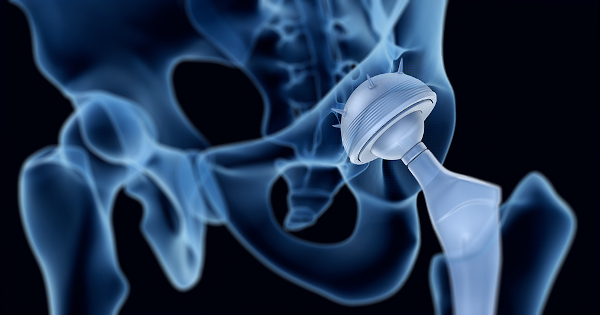
India is preparing to create a national registry for implantable medical devices, a move that could significantly improve patient safety, device traceability and regulatory oversight in one of the country’s fastest-growing healthcare sectors. The proposed system is expected to track both implantable devices and the patients receiving them, covering products such as cardiac stents, pacemakers, orthopaedic joints, spinal implants and other high-risk medical devices.
The importance of such a registry is easy to understand. Once a device is implanted inside a patient’s body, its safety cannot be treated like an ordinary consumer product. If a batch is later found defective, if a global recall is issued, or if repeated adverse events are reported, authorities must be able to quickly identify which patients received the affected device, where the procedure was performed, which hospital or supplier handled it, and which manufacturer or batch was involved. Without a reliable tracking system, recalls become slow, fragmented and dependent on paperwork.
According to reports, the registry is being considered at a high level and is expected to create a centralised mechanism for collecting data from hospitals, manufacturers, suppliers and healthcare providers. In the first phase, the focus is likely to be on cardiac and orthopaedic implants, before gradually expanding to other categories of medical devices. This phased approach is practical because cardiac stents, pacemakers, joint replacements and spinal implants are among the most commonly used high-risk devices in Indian hospitals.
The proposal comes at a time when India’s medical devices sector is growing rapidly. The National Medical Devices Policy, 2023, approved by the Union Cabinet, placed the sector on an accelerated growth path with a patient-centric approach and projected that India’s medical devices sector could grow from around US$11 billion to US$50 billion by 2030. The policy also emphasised regulatory streamlining, innovation, domestic manufacturing, quality, affordability and patient-centred care.
This makes the proposed implant registry not just a safety measure, but a necessary piece of healthcare infrastructure. As more Indians undergo advanced medical procedures, the country needs systems that can monitor how devices perform in real-world conditions after approval and implantation. Laboratory testing and pre-market approvals are important, but long-term evidence often emerges only after devices are used across different hospitals, patient groups, age profiles and disease conditions.
India already has a broader regulatory framework for medical devices. CDSCO states that all medical devices in India are regulated under the Drugs and Cosmetics Act, 1940, and the Medical Devices Rules, 2017. Medical devices are also classified on the basis of risk, ranging from Class A for low-risk devices to Class D for high-risk devices. But regulation before market entry is only one part of the safety chain. The more difficult task is post-market surveillance — tracking whether devices remain safe and effective after they enter widespread use.
India also operates the Materiovigilance Programme of India, which was launched in 2015 to monitor adverse events related to medical devices. The programme aims to improve patient safety by collecting and evaluating reports of device-related adverse events. NHSRC notes that Medical Device Adverse Event Monitoring Centres have been identified across the country to strengthen reporting, though awareness and reporting mechanisms still need wider development.
A national implant registry would add a stronger traceability layer to this existing safety ecosystem. Instead of only depending on voluntary adverse-event reporting, the registry could create structured records of which device was implanted in which patient, when, by whom, and under what product identification details. This would help regulators, hospitals and manufacturers act faster if safety concerns emerge.
The registry could also improve accountability across the supply chain. In many cases, device oversight involves multiple actors: the manufacturer, importer, distributor, hospital procurement department, surgeon, insurance provider and patient. A digital registry can make this chain more transparent. It can help identify whether only certified devices are being used, whether low-quality imports are entering hospital systems, and whether procurement decisions are being made on the basis of quality as well as cost.
For public healthcare schemes, the benefits could be even larger. Government-funded insurance and hospital schemes often involve high-volume procedures. If implant data is standardised and linked to procurement systems, policymakers can compare device performance, cost-effectiveness and patient outcomes across hospitals and regions. This can improve national purchasing decisions and reduce the risk of poor-quality devices being selected merely because they are cheaper.
The move may also help Indian manufacturers. A transparent registry can build confidence in high-quality domestic devices by producing real-world Indian evidence. If Indian-made implants perform well over time, the data can support stronger market acceptance at home and abroad. This is especially important as India seeks to reduce import dependence and become a global MedTech manufacturing hub.
However, successful implementation will require careful design. The registry must protect patient privacy, use secure digital architecture, define who can access the data, and ensure that hospitals are not burdened with excessive manual reporting. It should also be interoperable with existing digital health systems wherever possible, so that device tracking becomes part of routine healthcare workflows rather than an additional bureaucratic layer.
The system must also capture standard device identifiers, manufacturer details, batch or serial numbers, implantation date, hospital information, clinician details, adverse events, revision surgeries and recall notifications. Without clean and standardised data, even a national registry can become incomplete or unreliable. Training hospitals and clinicians will therefore be as important as building the digital platform.
The positive outlook is clear. A national registry for implantable medical devices can help India move from reactive safety management to proactive surveillance. It can make recalls faster, reduce the use of uncertified or substandard products, support evidence-based procurement, and give patients greater confidence in high-risk medical procedures.
India’s healthcare system is becoming more advanced, more digital and more procedure-driven. As this transformation accelerates, patient safety systems must grow at the same pace. The proposed implant registry is a timely step in that direction. It recognises that modern healthcare is not only about making devices available, but also about ensuring that every device placed inside a patient’s body can be traced, monitored and held accountable throughout its life.
You may also like
-
Ayurveda and Late-Night Living: What Irregular Sleep Does to the Body
-
India’s Ayush Services Economy Reaches $36.92 Billion, RIS Study Projects Strong Growth to 2047
-
Daytime Sleep in Ayurveda: When It Helps and When It Harms
-
Ayurveda and Sleep: Understanding Nidra as a Pillar of Health
-
Government Says Social Security Coverage Now Reaches More Than 100 Crore Indians
