US Companies Keen on Space Collaboration with India
Space agencies of the two countries will be launching the jointly developed NASA-ISRO Synthetic Aperture Radar (NISAR) satellite in 2022.
News on Science, Technology and Research in India
Space agencies of the two countries will be launching the jointly developed NASA-ISRO Synthetic Aperture Radar (NISAR) satellite in 2022.
Now Indian scientists have found one more reason for us to fall in love with curd all over again! They found that curd made of milk from a pure Indian cow breed can be more beneficial as it contains several useful bacterial species that can fight Aflatoxin B1, a lead culprit for stomach aches. Researchers say that curd prepared from the milk of Malnad Gidda cow can soak in aflatoxin B1 from ingested foods.
“The year-long training, which includes biomedical, physical practices, study of the Soyuz manned spaceship (module) and weightlessness mode aboard the special Ilyushin-76 MDK aircraft began on Monday,” an official of the state-run Indian Space Research Organsiation (ISRO) told IANS here.
Officials said that, the Indian Navy has taken a new initiative with the Indian Space Research Organization (ISRO). It states that ISRO has now developed a module under which a transponder system has been developed which helps in locating the position and location of those boats, as well as sending them alert if they cross the international maritime border
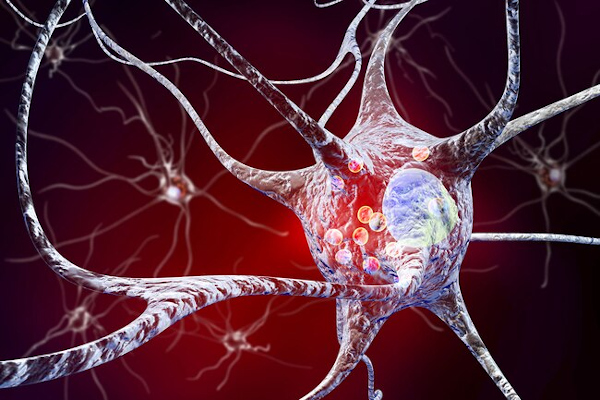
Researchers at National Brain Research Centre at Manesar, Gurugram, have now filled the gap. They have developed a human-based model that could help study how brain develops, particularly about neurons and what goes awry during brain development.
India’s plan to focus on two national-level programmes to build genomic data of the population and crops is expected to help the country in developing per- sonalised drugs, tackle disease and increase yield in crops, experts said.
Researchers at the Indian Institute of Technology Madras (IIT-Madras) have developed an Artificial Intelligence (AI) technology to convert brain signals of speech impaired humans into language, the Institute has said. The researchers can potentially interpret nature’s signals such as the plant photosynthesis process or their response to external forces.
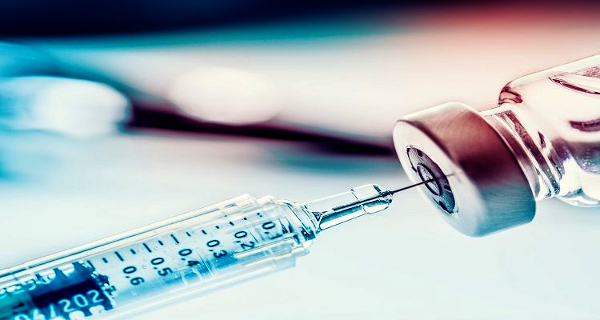
The new vaccine is ready for release and commercial production will be completed in less than a year. The vaccine would be the best choice for use in the CSF Control Programme (CSF-CP) already launched by DAHD (CSF-CP).
The pilot plant at CSIR-NCL can produce as much as 500 grams a day and is scalable to any desired production rates. The international market price of silver nanowires of different sizes (20 to 100 nanometer diameter) varies from Rs. 18,000 to Rs. 43,000 per gram.
Scientists from Central Salt and Marine Chemicals Research Institute (CSMCRI) have come up with a solution to fix this problem. They have developed an integrated process through which they have extracted bio fertilizer from waste human hair. They have also isolated melanin and keratin from it.