Defense

News , articles and essays on Indian Defense

Pralay Missile System: India’s Home-Grown Quasi-Ballistic Weapon

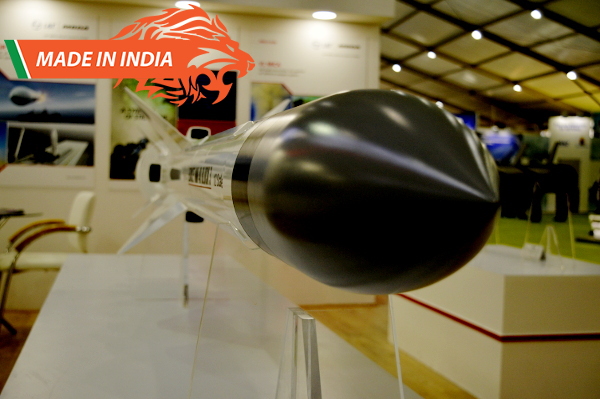
Its quasi-ballistic profile makes it more dangerous than a simple ballistic projectile. A conventional ballistic missile follows a relatively predictable path, but a quasi-ballistic missile can fly on a depressed or manoeuvrable trajectory, making interception more difficult. This is especially relevant in modern battlefields where air defence systems, missile shields and radar networks are becoming more advanced. Pralay is designed not only to reach the target, but to complicate the enemy’s ability to detect, track and intercept it.

India Trains Myanmar Officers in UN Peacekeeping, Reinforcing Defence Diplomacy in Naypyidaw

India’s Ambassador to Myanmar, Abhay Thakur, highlighted India’s long role in humanitarian and peacekeeping missions, linking the training initiative to the wider goal of global stability. He also underlined the historical, cultural and geographical closeness between India and Myanmar, noting that Myanmar sits at the intersection of India’s Neighbourhood First, Act East and Indo-Pacific policy priorities.

Rudra Barrel-Launched Loitering Munition: India’s Next Step Toward Smart Artillery and Deep Precision Strike

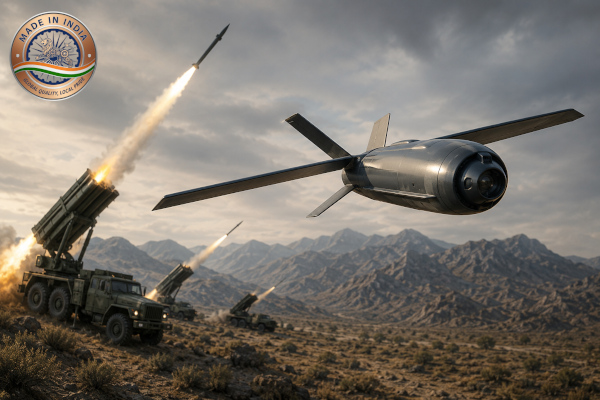
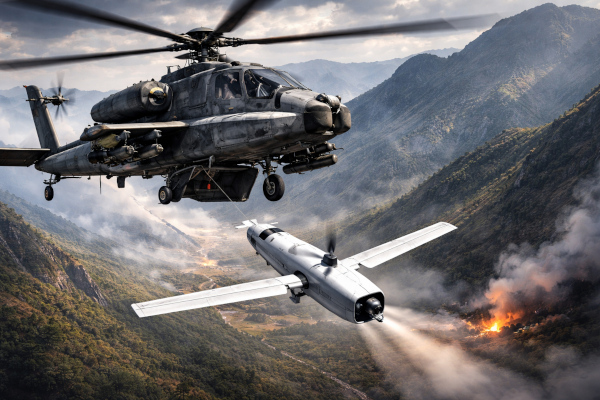
The Rudra barrel-launched loitering munition is an Indian defence system developed by Machfly Aerospace, an Indian aerospace start-up associated with IIT Jammu. According to Machfly’s own description, Rudra is designed as a barrel-launched loitering munition that can be deployed from Pinaka and other multi-barrel launch systems, giving artillery units a new precision-strike option beyond conventional rockets.

Operation Sindoor and the Rise of India’s AI-Enabled Warfare Doctrine

The operation, launched in response to the deadly terror attack in Pahalgam in April 2025, rapidly evolved into one of the most technologically significant military confrontations between India and Pakistan in recent decades. The strikes themselves reportedly lasted only minutes, but the broader operational and strategic consequences are continuing to reshape India’s military doctrine, procurement priorities, and battlefield philosophy.

Indian Coast Guard’s Indigenous Air Cushion Vehicle Programme Advances with Girder Laying Ceremony in Goa

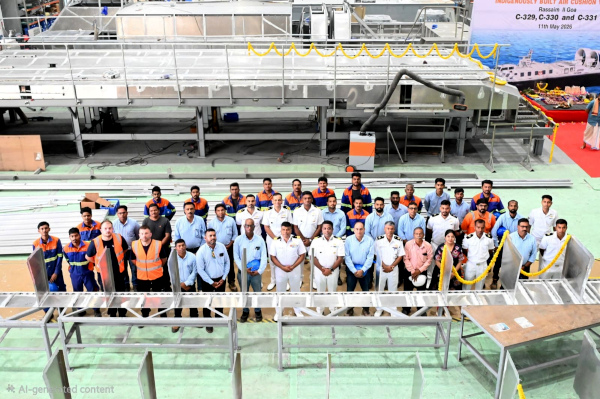
The contract for six Air Cushion Vehicles was signed with Chowgule & Company Private Limited, Goa, on October 24, 2024. These platforms are designed for multipurpose maritime roles and are expected to give the Indian Coast Guard greater speed, reach and flexibility in areas where conventional boats may face operational limitations. ACVs can operate over shallow waters, marshy areas and difficult coastal terrain, making them particularly useful for India’s vast coastline, island territories, river mouths, creeks and sensitive coastal zones.

IOS Sagar Leaves Chattogram After Bangladesh Navy Engagement, Strengthening India’s Bay of Bengal Maritime Outreach

The Chattogram port call was not a routine harbour visit. It included diplomatic engagements, professional exchanges, cross-deck visits, operational discussions, cultural interactions and a joint maritime exercise with the Bangladesh Navy. According to News On AIR, the deployment carries personnel from 17 nationalities, including Bangladesh, making IOS Sagar a multinational maritime platform aimed at strengthening professional training, regional cooperation and combined maritime action.

DRDO’s 1,200-Second Scramjet Test Marks Major Step in India’s Hypersonic Missile Programme

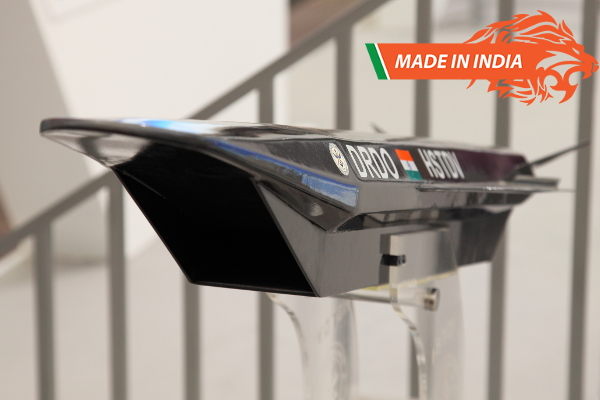
A scramjet, or supersonic combustion ramjet, is an air-breathing engine designed for flight at hypersonic speeds, generally above Mach 5. Unlike conventional rocket motors that carry both fuel and oxidiser, a scramjet uses oxygen from the atmosphere, allowing sustained high-speed flight in the atmosphere. This makes the technology highly valuable for long-range hypersonic cruise missiles, where speed, manoeuvrability and reduced reaction time for enemy air-defence systems are crucial.

Categories