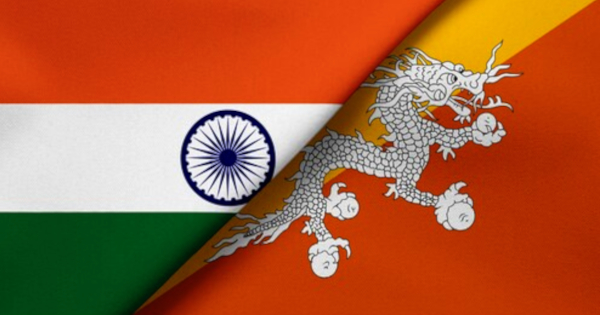
Bhutan’s King Jigme Khesar Namgyel Wangchuck has dedicated a sacred Buddhist stupa to Prime Minister Narendra Modi in recognition of his commitment to the friendship between India and Bhutan and his support for the Gelephu Mindfulness City project. The dedication took place on 1 November 2026 during a major Buddhist ceremony in southern Bhutan, where 108 stupas were raised and consecrated as part of an initiative envisioned by the Bhutanese monarch.
Stupa No. 76 was specifically dedicated to the Indian Prime Minister, marking a symbolic gesture of friendship between the two neighbouring countries. Union Minister for Parliamentary Affairs and Minority Affairs Kiren Rijiju represented the Government of India at the ceremony, which brought together Bhutan’s royal leadership, government representatives, religious participants and thousands of volunteers. The occasion reflected the shared Buddhist heritage, cultural connections and longstanding diplomatic relationship between India and Bhutan.
Bhutan’s King Leads Consecration of 108 Sacred Stupas
The ceremony was held at Gelephu Mindfulness City, a major development initiative being established near Bhutan’s southern border with Assam. The project involved the construction and consecration of 108 Buddhist stupas along the Aie, also known as the Mau River, within the proposed city.
According to the Ministry of Minority Affairs, the stupas were constructed along an approximately 11.7-kilometre stretch of the river, with each structure measuring 15 metres in height. The stupas were positioned 108 metres apart, following a layout that reflects the spiritual importance of the number 108 in Buddhist traditions.
The project was conceived by King Jigme Khesar Namgyel Wangchuck, who also guided its implementation. Thousands of volunteers participated in constructing the stupas within a single day, demonstrating the scale of community involvement in the initiative.
The consecration was held on the auspicious Buddhist occasion of Lhabab Duchen, which commemorates the Buddha’s descent from the heavenly realm of Tushita, according to Buddhist tradition. The religious observances were accompanied by ceremonial prayers and the sounding of traditional Buddhist horns known as Dungchens.
The initiative is intended to establish Gelephu Mindfulness City as an important centre of Vajrayana Buddhism while expressing the cultural and spiritual traditions of the Bhutanese people.
Stupa No. 76 Dedicated to Prime Minister Narendra Modi
One of the most significant moments of the ceremony was the dedication of Stupa No. 76 to Prime Minister Narendra Modi by the Bhutanese monarch. The dedication recognised the Indian Prime Minister’s commitment and continued support for Gelephu Mindfulness City, a project that Bhutan considers important to its future development.
King Jigme Khesar Namgyel Wangchuck, Bhutanese Prime Minister Dasho Tshering Tobgay and Union Minister Kiren Rijiju offered prayers at the dedicated stupa. Rijiju subsequently conveyed the Indian Prime Minister’s gratitude to the Bhutanese monarch for the gesture.
The dedication carries particular significance because Buddhist stupas are sacred structures associated with the teachings of Gautama Buddha, enlightenment and spiritual remembrance. Within Buddhist traditions, stupas serve as places of devotion, meditation and reflection, making their dedication an important religious and cultural gesture.
By dedicating one of the 108 stupas to the Indian Prime Minister, Bhutan acknowledged India’s relationship with the country through a symbol rooted in its Buddhist heritage. The gesture also highlighted the cultural dimension of India–Bhutan relations, which extends beyond conventional diplomatic and economic cooperation.
Kiren Rijiju Represents India at Historic Buddhist Ceremony
Union Minister Kiren Rijiju attended the consecration ceremony as the representative of the Government of India during his official visit to Bhutan from 31 October to 2 November 2026. His participation reflected India’s recognition of the religious and cultural significance of the event and its support for the Gelephu Mindfulness City initiative.
Rijiju attended the ceremony in the presence of the Bhutanese monarch, Queen Jetsun Pema, Prime Minister Tshering Tobgay and other participants. He offered prayers and conveyed India’s appreciation for the dedication of the stupa to Prime Minister Modi.
During his visit, the Union Minister was also granted an audience with King Jigme Khesar Namgyel Wangchuck and held discussions with Prime Minister Tshering Tobgay. These engagements provided an opportunity to review bilateral cooperation and reaffirm the importance of the longstanding relationship between the two countries.
The Ministry of Minority Affairs stated that both sides appreciated the special friendship between India and Bhutan and the positive trajectory of cooperation across several sectors. The discussions covered development cooperation, trade, energy, investment, connectivity and cultural relations, reflecting the multidimensional character of the bilateral partnership.
Gelephu Mindfulness City and Its Importance to India–Bhutan Relations
Gelephu Mindfulness City is an ambitious Bhutanese development initiative intended to combine economic opportunities, environmental sustainability, cultural values and spiritual traditions within a planned urban and regional development framework. Located in southern Bhutan near the Indian state of Assam, the project is expected to have implications for connectivity, trade and economic activity across the adjoining border regions.
The 108 Stupas project forms part of the wider vision for Gelephu Mindfulness City. By establishing a prominent Buddhist landscape along the Aie River, Bhutan aims to integrate religious heritage and cultural identity into the development of the new city.
The location of Gelephu gives the project particular relevance to India. Southern Bhutan maintains close geographical and economic connections with Assam, and improvements in regional infrastructure and connectivity could support commercial activity and cross-border movement between the two countries.
During his discussions with Bhutanese leaders, Rijiju reaffirmed India’s support for the Gelephu Mindfulness City project and its potential to contribute to the development of neighbouring areas in India. This position reflects the broader importance India attaches to Bhutan’s economic development and to infrastructure initiatives capable of strengthening regional cooperation.
Although the project remains under development, its long-term significance extends beyond urban planning. It represents Bhutan’s attempt to pursue economic growth while preserving environmental sustainability, religious traditions and national cultural identity.
Shared Buddhist Heritage Strengthens Bilateral Friendship
India and Bhutan maintain a distinctive relationship shaped by geographical proximity, historical connections, cultural exchanges and sustained diplomatic cooperation. Buddhism forms an important element of this relationship, linking Bhutan’s Vajrayana traditions with the broader history of Buddhist philosophy and practice originating in the Indian subcontinent.
Bhutan’s religious institutions and cultural traditions maintain longstanding connections with Buddhist centres and pilgrimage locations in India. These exchanges have contributed to people-to-people relationships that complement cooperation between the two governments.
The consecration of the 108 stupas illustrates the continuing importance of religious heritage within Bhutanese national life. It also demonstrates how cultural and spiritual occasions can provide opportunities for diplomatic engagement and the reaffirmation of bilateral goodwill.
The dedication of Stupa No. 76 to Prime Minister Modi is particularly notable in this context because it represents official recognition expressed through a sacred Buddhist structure rather than through a conventional diplomatic ceremony.
The gesture reinforces the role of cultural diplomacy in sustaining India–Bhutan relations and highlights the importance both countries attach to shared traditions and mutual understanding.
India Reaffirms Support for Bhutan’s Development Vision
India has consistently maintained close cooperation with Bhutan across development assistance, infrastructure, energy, connectivity and economic engagement. These areas remain central to bilateral relations, reflecting Bhutan’s development priorities and India’s interest in maintaining strong partnerships with neighbouring countries.
The discussions held during Rijiju’s visit reaffirmed the importance of cooperation in these sectors. Both governments acknowledged the positive direction of their relationship and the opportunities associated with Gelephu Mindfulness City and its potential contribution to regional development.
India’s support for the project also reflects the economic and geographical connections between Bhutan and India’s northeastern states. The proximity of Gelephu to Assam creates opportunities for future cooperation in infrastructure, logistics and trade, subject to the planning and implementation of relevant projects.
The religious ceremony and accompanying diplomatic engagements therefore brought together two important aspects of bilateral relations: the preservation of shared cultural heritage and the pursuit of future economic cooperation.
A Symbol of Enduring Friendship Between India and Bhutan
The consecration of 108 Buddhist stupas at Gelephu Mindfulness City represents an important religious and cultural milestone for Bhutan. Conceived under the leadership of King Jigme Khesar Namgyel Wangchuck and completed through extensive community participation, the initiative reflects the country’s commitment to preserving its spiritual heritage while pursuing an ambitious development vision.
The dedication of Stupa No. 76 to Prime Minister Narendra Modi adds a distinctive diplomatic dimension to the occasion. By recognising India’s support for Gelephu Mindfulness City through a sacred Buddhist monument, Bhutan has created a lasting symbol of the friendship between the two nations.
The ceremony also reaffirmed the importance of shared cultural traditions and sustained political engagement in India–Bhutan relations. As Gelephu Mindfulness City continues to develop, the 108 stupas will stand as expressions of Bhutan’s Buddhist identity, while the dedication to the Indian Prime Minister will remain associated with the close relationship between the neighbouring countries.
You may also like
-
Indian and South Korean Navies Conduct Joint Maritime Drills off Busan to Strengthen Operational Cooperation
-
Jambūdvīpa: The Great Continent of the Mahabharata and the Place of Bhārata Within It
-
Quad Announces Over $85 Million Initiative to Expand Trusted Artificial Intelligence Across Indo-Pacific
-
Tamraparni in the Mahabharata: The Sacred Southern River at the Edge of the Pandya Country
-
India, Belgium and Luxembourg Strengthen Trade and Investment Cooperation Across Key Sectors
