Kautilya

India and Denmark Sign MOU for Cooperation the Power Sector

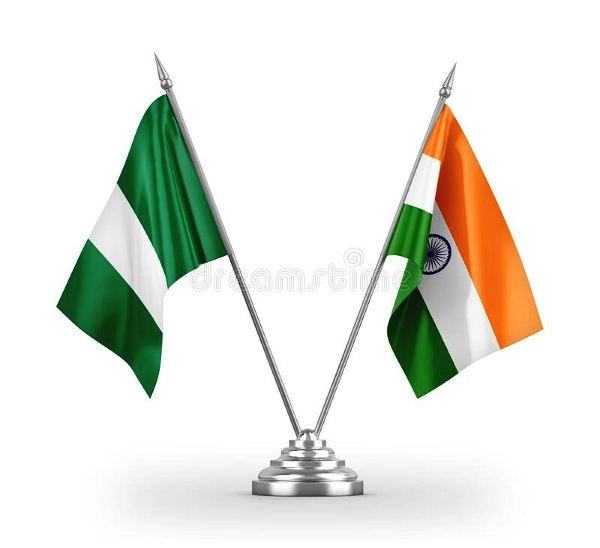
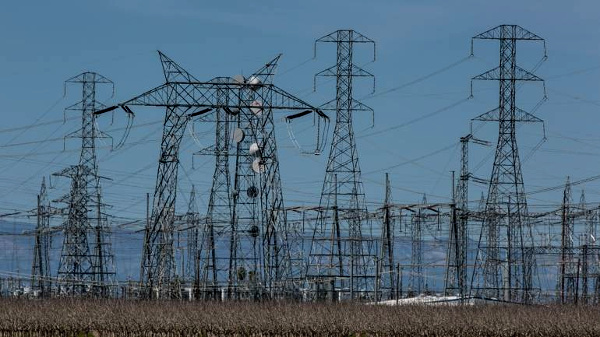
The Memorandum of Understanding on Indo-Denmark Energy Cooperation between the Ministry of Power, Government of the Republic of India and the Ministry for Energy, Utilities and Climate, Government of the Kingdom of Denmark to develop a strong, deep and long-term co-operation between two countries in the power sector on the basis of equality, reciprocity and mutual benefit was signed on 5th June , 2020.
CeNS Synthesises Novel Photo-Sensitive Cholesteric LCD Devices at Room Temperature

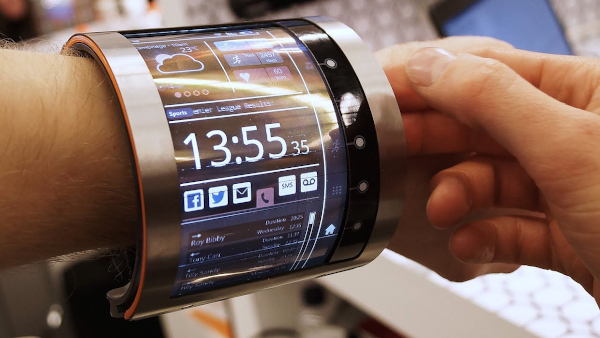
Scientists from Centre for Nano and Soft Matter Sciences (CeNS), Bengaluru an autonomous institute of the Department of Science & Technology have synthesised a series of novel photo-sensitive cholesteric liquid crystals at room temperature for widest thermal range which can be used to make optical storage devices such as optically rewritable boards, advertising boards and so on.

CSIR- NCL Scientists Develop Indigenous Nasopharyngeal Swabs

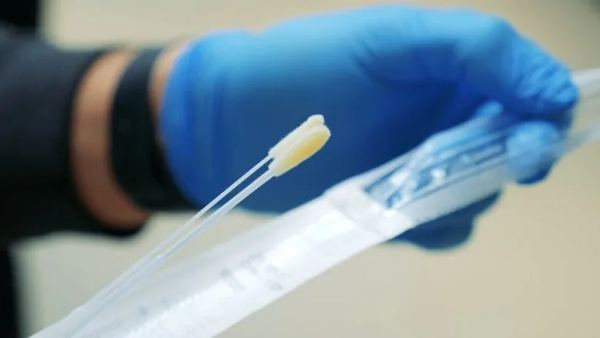
In the current pandemic scenario, global supplies of nasopharyngeal (NP) swabs are not dependable resulting in supply chain delays, escalating prices and variable quality. CSIR-National Chemical Laboratory (CSIR-NCL), Pune, has developed an indigenous NP swab for collecting samples from the throat cavity of COVID-19 patients. The need for making available domestic technology for NP swabs was flagged by CSIR to NCL in mid-April.

Nasopharyngeal swab is a medical device with stringent specifications of quality, polymer grade, dimensions and sterilization. An NP swab consists of a cylindrical plastic stick with a brush-like tip of synthetic bristles/flocks. The flocking process helps align the fine bristles in a parallel orientation on the stick head, much like a tooth brush, except that this has round uniform geometry and the NP swab bristles are of micron diameter.

The NCL team of polymer science and chemical engineering scientists – which included Dr. Chandrashekhar V. Rode, Dr. Prakash P. Wadgaonkar, and Dr. Anuya A. Nisal – successfully worked out the detailed specifications of NP swab polymers and adhesives. The specifications included medical-grade materials that must be used for manufacture, the swab design and the packaging and sterilization protocols. “This is an excellent example of optimizing the polymer specifications and validating the chemical analysis of an urgently needed medical swab product in a very short time,” noted Dr. Ashwini Kumar Nangia, Director, NCL.

The NCL has transferred the process knowhow of indigenous NP swabs for sample collection to a Mumbai-based chemical company under the COVID-19 technology transfer guidelines of CSIR. After confirming the correct chemical and polymer composition of NP swabs, their diameter, alignment of bristles, and sterilization method, NCL has suggested the next regulatory pathway for approval of medical devices to the company. They will be able to produce 1 lakh NP swabs per day.