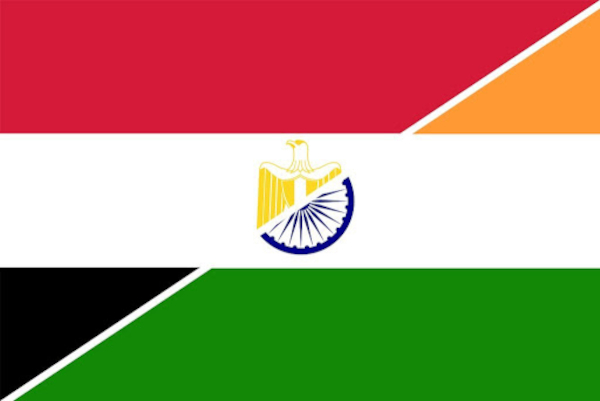
India and Egypt have reaffirmed their commitment to expanding bilateral trade, investment and industrial cooperation, with both countries agreeing to work towards achieving a bilateral trade target of USD 12 billion. The renewed economic engagement emerged during Union Minister of Commerce and Industry Piyush Goyal’s official visit to Egypt from November 15 to 16, 2026, which included high-level discussions with Egyptian leaders, the 7th India–Egypt Joint Trade Committee meeting, business forums and engagements with startups and investors.
The visit marked Piyush Goyal’s first bilateral visit to an African country and provided fresh momentum to the India–Egypt Strategic Partnership established in 2023. Discussions covered opportunities to strengthen cooperation across manufacturing, pharmaceuticals, chemicals, renewable energy, green hydrogen, infrastructure, logistics, digital technologies and agricultural trade. Both countries also agreed to establish a Working Group to examine the modalities and framework for a potential Preferential Trade Agreement, Free Trade Agreement or Comprehensive Economic Partnership Agreement, subject to an assessment of the benefits for both sides.
India and Egypt share longstanding historical, civilisational and commercial connections that have developed into a broad strategic relationship encompassing political, economic, security and cultural cooperation. Egypt’s geographical position connecting Africa, West Asia and Europe, together with India’s expanding manufacturing and technological capabilities, provides a foundation for strengthening economic engagement between the two countries.
India and Egypt Agree to Work Towards USD 12 Billion Trade Target
The 7th Session of the India–Egypt Joint Trade Committee was held on November 15, 2026, and co-chaired by Union Commerce and Industry Minister Piyush Goyal and Egypt’s Minister of Investment and Foreign Trade, Dr. Mohamed Farid Saleh. The meeting marked the elevation of the Joint Trade Committee to the ministerial level, reflecting the increasing importance attached to bilateral economic relations.
During the discussions, both countries reviewed developments in bilateral trade and agreed to work towards achieving a target of USD 12 billion. The ministers emphasised the importance of diversifying the trade basket, expanding higher value-added exports, improving market access and addressing commercial challenges affecting businesses in both countries.
According to figures released by the Ministry of Commerce and Industry, bilateral merchandise trade reached USD 5.04 billion during April–September 2026, registering an increase of 64% compared with the corresponding period of the previous year. During FY 2025-26, India’s merchandise exports to Egypt amounted to USD 3.87 billion, while imports from Egypt stood at USD 2.60 billion, taking total bilateral merchandise trade to approximately USD 6.47 billion.
The substantial increase in trade during the first six months of FY 2026-27 highlights the growing commercial relationship between the two economies. Both countries identified agricultural products, pharmaceuticals, engineering goods, chemicals, petrochemicals, fertilisers, textiles, renewable energy and services as important areas for expanding trade and strengthening business cooperation.
Working Group to Examine Preferential Trade and Economic Partnership Agreements
One of the important outcomes of the visit was the agreement to constitute a Working Group to discuss the framework and modalities for a potential Preferential Trade Agreement, Free Trade Agreement or Comprehensive Economic Partnership Agreement between India and Egypt.
The proposed mechanism will examine the potential benefits of different trade arrangements, including their implications for trade in goods, services and investment. The objective is to identify a mutually beneficial framework that could support greater market access, trade diversification and investment flows between the two economies.
The agreement to establish the Working Group represents a preliminary step towards examining a possible bilateral trade arrangement. No formal PTA, FTA or CEPA was concluded during the visit, and the scope of any future agreement will depend on subsequent discussions and assessments undertaken by both countries.
The initiative nevertheless reflects the willingness of India and Egypt to explore deeper economic integration and develop institutional mechanisms capable of supporting their expanding commercial relationship.
Indian Investments in Egypt Reach Approximately USD 5 Billion
Investment cooperation formed an important component of the discussions, with both sides reviewing opportunities for greater Indian participation in Egypt’s manufacturing, infrastructure and industrial development.
According to the Ministry of Commerce and Industry, approximately 70 Indian companies are operating in Egypt, with investments amounting to around USD 5 billion. These investments demonstrate the established presence of Indian businesses in the Egyptian economy and their contribution to bilateral industrial and commercial relations.
The Egyptian side welcomed greater participation by Indian companies in sectors such as automotive manufacturing, automobile components, pharmaceuticals, chemicals, textiles, food processing, engineering, renewable energy and logistics. Discussions also highlighted investment opportunities within the Suez Canal Economic Zone, which is being developed as an important industrial and logistics hub connected to international maritime trade routes.
The Suez Canal Economic Zone offers a strategically located industrial environment with access to major shipping routes connecting the Mediterranean Sea and the Red Sea. Its geographical position provides opportunities for manufacturing and logistics operations serving markets across Africa, Europe and West Asia.
The discussions reflected the shared interest of both governments in encouraging industrial investment, manufacturing partnerships and stronger business linkages that could expand economic engagement beyond conventional merchandise trade.
Industrial Cooperation to Cover Pharmaceuticals, Green Energy and Manufacturing
India and Egypt agreed to encourage greater industrial partnerships and joint ventures across several sectors, including renewable energy, green hydrogen, pharmaceuticals, fertilisers, textiles, automotive components and digital transformation.
The discussions recognised the potential for cooperation between Indian and Egyptian enterprises in manufacturing, technology transfer, industrial development and the creation of commercial partnerships. Particular attention was given to sectors where the two countries possess complementary capabilities, investment requirements and opportunities for expanding production.
Pharmaceuticals and healthcare emerged as important areas of cooperation, with both countries examining opportunities to strengthen commercial engagement and industrial partnerships. India’s pharmaceutical manufacturing sector and Egypt’s healthcare and industrial development requirements provide scope for greater cooperation in pharmaceutical products, manufacturing and associated services.
Renewable energy and green hydrogen were also identified as potential areas for industrial collaboration. Both countries expressed interest in encouraging investment and partnerships in energy-related technologies, reflecting their broader objectives of supporting industrial development and energy diversification.
The two sides also discussed opportunities in chemicals, petrochemicals, fertilisers and textiles, which remain important sectors within their respective manufacturing economies. The emphasis on industrial cooperation reflects a shared approach towards strengthening production capabilities, encouraging private investment and expanding the economic relationship through manufacturing and technology partnerships.
India and Egypt Explore UPI–Instapay Connectivity
Digital technology and financial services featured prominently in the bilateral discussions, with both countries acknowledging the potential benefits of connecting India’s Unified Payments Interface with Egypt’s Instapay payment system.
The proposed connectivity was discussed as a potential mechanism for strengthening digital financial cooperation between the two economies. Such an arrangement, if developed and implemented, could provide additional opportunities for payment interoperability and support financial transactions between users in the two countries.
The discussions also covered the potential role of trade settlement in local currencies in supporting bilateral commerce. Both countries acknowledged the relevance of India’s Digital Public Infrastructure in accelerating Egypt’s digital transformation and facilitating the adoption of digital services.
India’s experience in developing digital payment systems and public digital platforms provides an important area for bilateral technological cooperation. The discussions reflected Egypt’s interest in examining opportunities to benefit from India’s digital infrastructure experience while developing solutions suited to its own economic and institutional requirements.
The proposed UPI–Instapay linkage remains an area of exploration, with no operational integration announced during the visit.
India–Egypt Business Forum Brings Together Over 250 Industry Representatives
Piyush Goyal participated in the 6th India–Egypt Joint Business Council meeting and the India–Egypt Business Forum on November 15, alongside Egyptian Minister of Investment and Foreign Trade Dr. Mohamed Farid Saleh.
The Joint Business Council meeting brought together more than 250 representatives of the Indian and Egyptian business communities, providing a platform for discussions on investment opportunities, industrial cooperation and the expansion of bilateral commercial partnerships.
The business engagements covered chemicals and petrochemicals, pharmaceuticals and healthcare, food processing, agriculture, renewable energy, green hydrogen, infrastructure, ports, logistics, information technology, digital services, textiles and the automotive industry.
Participants examined opportunities for strengthening business-to-business relationships, identifying potential investment projects and encouraging greater private-sector participation in bilateral economic cooperation. The discussions highlighted the importance of direct engagement between enterprises in converting broader diplomatic and economic understandings into commercial partnerships.
Both governments emphasised the value of regular business delegations, buyer missions, trade exhibitions and business-matching activities in expanding commercial relations and facilitating market access.
Nearly 50 Indian and Egyptian Startups Participate in Innovation Forum
Startup cooperation emerged as another important dimension of the visit, with Piyush Goyal participating in the India–Egypt Startups Forum on November 16, alongside Egypt’s Minister of Planning and Economic Development, Dr. Ahmed Rostom.
The forum brought together nearly 50 Indian and Egyptian startups, along with incubators, accelerators, venture investors and representatives of relevant government agencies. The gathering provided an opportunity for emerging enterprises from both countries to present their capabilities, exchange experiences and identify potential areas of technological and commercial collaboration.
During a dedicated Startups’ Roundtable, Indian founders presented products and services intended for the Egyptian market and discussed the support required to establish or expand their commercial presence. These requirements included access to distribution partners, pilot projects, product certification and opportunities for local manufacturing.
Indian and Egyptian entrepreneurs also interacted with counterparts operating in related sectors, creating opportunities to explore business partnerships and potential market entry arrangements. The engagement highlighted the increasing role of startups and innovation-driven enterprises in the broader economic relationship between the two countries.
The forum reflected a shared interest in extending bilateral cooperation beyond established industries to include emerging businesses, technological innovation and entrepreneurship.
Cooperation Discussed in Ports, Shipbuilding, Airports and Metro Rail
Infrastructure development and transport connectivity formed an important component of Piyush Goyal’s meetings with Egyptian government officials.
During the visit, the Minister held discussions with Egypt’s Minister of Transport, Lt. Gen. Eng. Kamel Wazir, and other senior members of the Egyptian government. The engagements explored opportunities for cooperation in port modernisation, shipbuilding, airport development and urban transportation infrastructure.
The discussions included potential Indian participation in greenfield and brownfield airport projects, along with opportunities associated with the construction of affordable, high-quality metro rail systems. These areas reflect the potential for expanding cooperation between Indian infrastructure companies and Egyptian institutions involved in transportation and industrial development.
Port modernisation and shipbuilding were also identified as sectors of mutual interest, particularly in the context of Egypt’s strategic maritime location and its importance in international shipping and logistics.
The discussions focused on identifying opportunities for future cooperation and commercial participation. No specific infrastructure construction contract or project award was announced as an outcome of these meetings.
Both Countries Address Trade Barriers and Market Access Challenges
The Joint Trade Committee also examined practical challenges affecting bilateral commerce, including market access, product certification, regulatory requirements and outstanding commercial payments.
Among the issues discussed were the registration of Indian ceramic tile companies with Egypt’s General Organization for Export and Import Control, trade remedies and opportunities for Indian companies to participate in Egyptian public procurement tenders.
The two sides also reviewed cooperation in standardisation, conformity assessment, agricultural market access, veterinary services and the accreditation of Indian products. These discussions were aimed at identifying ways to improve trading conditions and address regulatory concerns affecting exporters and businesses.
Agricultural and veterinary cooperation received particular attention, reflecting the importance of food security, agricultural trade and the exchange of technical expertise within the bilateral economic relationship.
The emphasis on resolving trade-related challenges highlights the importance of institutional cooperation in supporting the expansion of commercial relations between India and Egypt.
Engagement with African Export-Import Bank Opens Wider Commercial Dialogue
The accompanying Indian business delegation also interacted with representatives of the African Export-Import Bank, commonly known as Afreximbank, to explore potential areas of financial and commercial cooperation.
The discussions covered project preparation, project finance, advisory services, capital markets, export development, industrial parks and the Africa Trade Gateway. These engagements provided an opportunity to examine financial and institutional mechanisms that could support Indian business participation in African markets.
Afreximbank plays an important role in supporting trade and industrial development across Africa, making the interaction relevant to Indian companies interested in commercial opportunities beyond Egypt.
The engagement reflected the broader geographical significance of India’s economic relationship with Egypt, particularly in the context of expanding trade, investment and industrial cooperation with African economies.
Piyush Goyal also interacted with members of the Egyptian Junior Businessmen Association, which represents second- and third-generation entrepreneurs from established Egyptian business families. Discussions with these entrepreneurs and Indian companies operating in Egypt focused on strengthening commercial partnerships and identifying new investment opportunities.
High-Level Meetings Reinforce India–Egypt Strategic Partnership
During the visit, Piyush Goyal called on Egyptian Prime Minister Dr. Mostafa Madbouly and held bilateral meetings with several senior members of the Egyptian government.
These included Minister of Investment and Foreign Trade Dr. Mohamed Farid Saleh, Minister of Industry Eng. Khaled Hashem, Minister of Foreign Affairs, International Cooperation and Egyptian Expatriates Dr. Badr Abdelatty, Minister of Planning and Economic Development Dr. Ahmed Rostom and Minister of Transport Lt. Gen. Eng. Kamel Wazir.
The meetings focused on strengthening economic relations, promoting industrial cooperation, encouraging investment and identifying new opportunities for collaboration in sectors of mutual interest.
The Minister also engaged with Egyptian business leaders and chief executives of selected companies to explore possibilities for expanding business operations and establishing new commercial partnerships between the two countries.
During his engagements, Goyal extended invitations for Egyptian participation in the Vibrant Gujarat Summit 2027 in Gandhinagar and Bharat Mobility 2027, scheduled to take place in New Delhi from February 4 to 9, 2027.
The Agreed Minutes of the 7th India–Egypt Joint Trade Committee were signed by the two ministers, formally recording the understandings reached during the meeting. The next session of the Joint Trade Committee is scheduled to take place in New Delhi in 2028, or earlier on a mutually convenient date.
India–Egypt Economic Partnership Gains New Momentum
The November 2026 visit represents an important step in strengthening the economic dimension of the India–Egypt Strategic Partnership established in 2023. The agreement to work towards USD 12 billion in bilateral trade, the decision to examine potential preferential or comprehensive trade arrangements, and the emphasis on industrial investment reflect the increasing importance of economic cooperation within the bilateral relationship.
The presence of approximately 70 Indian companies with investments of around USD 5 billion in Egypt provides an established foundation for expanding manufacturing partnerships and commercial engagement. At the same time, the substantial growth in bilateral merchandise trade during April–September 2026 demonstrates the expanding scale of economic exchanges between the two countries.
The discussions on pharmaceuticals, renewable energy, green hydrogen, infrastructure, digital public infrastructure and startup cooperation highlight the diversity of opportunities identified by both governments. The engagement with business leaders, entrepreneurs and financial institutions also demonstrates the importance attached to private-sector participation in developing the economic partnership.
India and Egypt occupy important geographical and economic positions, with longstanding civilisational connections and complementary opportunities in trade, industry and technological development. Their renewed commitment to strengthening investment, manufacturing, innovation and commercial connectivity provides a constructive foundation for expanding bilateral cooperation.
The outcomes of Piyush Goyal’s visit reinforce the growing economic significance of the India–Egypt Strategic Partnership and establish a framework for deeper engagement between the two countries across trade, investment, industry, digital technology and entrepreneurship.
You may also like
-
Quad Leaders Announce New Maritime Security, AI and Cybersecurity Initiatives at Manila Summit
-
From Enemy Prince to Allied King: Vibhīṣaṇa and the Politics of Strategic Realignment
-
India Joins US and Eight Nations in Declaration to Secure AI Supply Chains
-
India and Belarus Strengthen Economic Cooperation at 12th Inter-Governmental Commission Meeting
-
India and Thailand Review Trade Cooperation as Bilateral Trade Reaches $21.49 Billion
