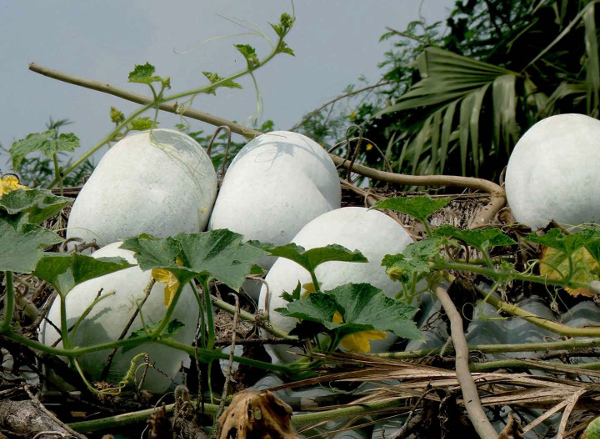
India’s horticulture production is projected to reach a record 386.92 million tonnes during 2025-26, registering an increase of 4.36% over the previous year. The Third Advance Estimates released by Union Minister for Agriculture and Farmers’ Welfare Shivraj Singh Chouhan on November 17, 2026, indicate substantial growth across fruits, vegetables, flowers, plantation crops and medicinal plants. The estimates also highlight a significant improvement in overall agricultural productivity, with horticultural production expected to increase despite a reduction in the total area under cultivation.
According to the Ministry of Agriculture and Farmers’ Welfare, total horticulture production is estimated at 3,869.15 lakh tonnes in 2025-26, compared with 3,707.38 lakh tonnes in 2024-25. This represents an increase of 161.77 lakh tonnes, equivalent to approximately 16.18 million tonnes. The projected expansion reflects the growing importance of horticulture in India’s agricultural economy, particularly as farmers increasingly diversify into fruits, vegetables, spices, flowers and other high-value crops that contribute to nutritional security and agricultural incomes.
The estimates have been prepared by the Department of Agriculture and Farmers’ Welfare using information received from States, Union Territories and other government agencies. Releasing the figures, Shivraj Singh Chouhan expressed satisfaction over the projected growth and credited the efforts of Indian farmers and the government’s agricultural policies for the sector’s continued development. He emphasised that the expansion of horticultural production would contribute to strengthening the country’s nutritional security while creating opportunities for higher agricultural incomes.
Fruit Production Projected to Increase by 4.60%
India’s fruit production is estimated to increase from 1,176.49 lakh tonnes in 2024-25 to 1,230.66 lakh tonnes in 2025-26, representing growth of approximately 4.60%. The projected increase of around 54.18 lakh tonnes is primarily attributed to higher expected production of banana, mango, papaya, apple, pomegranate and jackfruit. These crops are cultivated across different agro-climatic regions of India and contribute substantially to the country’s horticultural production, domestic food supply and agricultural diversification.
The projected growth in fruit production highlights the increasing importance of commercial fruit cultivation within India’s agricultural economy. Fruit farming provides opportunities for farmers to diversify beyond traditional field crops while supporting associated activities such as grading, packaging, cold storage, transportation and food processing. The expansion of fruit production also contributes to improving the availability of nutritious food and strengthening agricultural value chains, particularly in regions where horticulture forms an important part of rural livelihoods.
Vegetable Production Expected to Reach 227.27 Million Tonnes
Vegetable production is projected to increase by 4.35%, reaching 2,272.68 lakh tonnes in 2025-26, compared with 2,177.97 lakh tonnes during the previous year. The area under vegetable cultivation is also estimated to increase from 117.91 lakh hectares to 119.31 lakh hectares, indicating continued expansion in the cultivation of these crops. The projected growth is primarily associated with higher production of potato, tomato, brinjal, bottle gourd, cucumber, cabbage, beans and peas, reflecting the broad contribution of different vegetable crops to India’s agricultural output.
Among individual vegetables, potato is expected to register particularly strong growth, with production estimated to reach 655.70 lakh tonnes in 2025-26, compared with 585.71 lakh tonnes in 2024-25. This represents an increase of 11.95%, making potato one of the important contributors to the projected expansion in vegetable production. Tomato production is also expected to increase from 205.99 lakh tonnes to 214.11 lakh tonnes, while onion production is estimated at 288.96 lakh tonnes. The higher estimated output of these widely consumed vegetables highlights the importance of horticulture in supporting domestic food requirements and supplying agricultural markets across the country.
The projected increase in vegetable production is particularly significant because vegetables form an essential component of household nutrition and agricultural commerce. Higher production can improve the availability of fresh agricultural produce while creating additional opportunities for farmers, agricultural marketing networks, food-processing enterprises and distribution systems. The continued expansion of vegetable cultivation also reflects the important role of horticulture in India’s efforts to develop a diversified agricultural economy capable of meeting the requirements of a large and growing population.
Flower Production Estimated to Increase by 14.45%
India’s floriculture sector is projected to register substantial growth during 2025-26, with flower production estimated to increase from 42.65 lakh tonnes in 2024-25 to 48.82 lakh tonnes in 2025-26. This represents an increase of approximately 14.45%, making floriculture one of the fastest-growing segments identified in the latest horticultural estimates. The area under flower cultivation has also increased to an estimated 4.10 lakh hectares, reflecting the continued development of commercial flower cultivation across different parts of the country.
Floriculture occupies an important position within India’s high-value agricultural economy because flowers are extensively used for religious ceremonies, festivals, weddings, ornamental decoration and other cultural and commercial activities. The cultivation of flowers also supports associated economic activities, including nurseries, floral decoration, transportation, retail distribution and specialised agricultural marketing. The projected increase in production indicates expanding activity within this segment of horticulture and highlights the opportunities available to farmers who diversify into commercially valuable crops suited to their local growing conditions.
Plantation Crop Production Projected to Grow by 7.56%
Production of plantation crops is estimated to increase by 7.56% during 2025-26, with their combined output projected to reach 182.64 lakh tonnes. The Third Advance Estimates indicate an increase in both the area under cultivation and the production of plantation crops, including arecanut, coconut, cashew, betel leaves and cocoa. These crops are particularly important to the agricultural economies of several Indian states, where plantation farming contributes to rural livelihoods, agricultural trade and the supply of raw materials to processing industries.
Coconut, arecanut, cashew and cocoa cultivation plays a significant role in the agricultural systems of states such as Kerala, Karnataka, Tamil Nadu, Andhra Pradesh and Goa. These crops support a wide range of economic activities, extending from primary agricultural production to processing, manufacturing and value addition. Coconut cultivation, for example, provides raw materials for edible products, coconut oil, coir and other industries, while cashew and cocoa are associated with specialised processing and commercial markets. The projected increase in plantation crop production reflects the continuing contribution of these crops to India’s horticultural economy and their importance in supporting diversified agricultural livelihoods.
Spice Production Estimated at 123.54 Lakh Tonnes
India’s total spice production is estimated at 123.54 lakh tonnes during 2025-26, with the area under spice cultivation projected at 47.56 lakh hectares. According to information from the Directorate of Arecanut and Spices Development, improved production of turmeric, garlic, curry leaves and cardamom is expected to support the sector. These crops form an important component of India’s horticultural diversity and are cultivated across several states under different climatic and agricultural conditions.
Spice cultivation has historically occupied a prominent position in India’s agricultural economy, supplying domestic food requirements while supporting food processing, traditional medicine and international trade. Crops such as turmeric and cardamom are particularly important to farmers in regions where suitable growing conditions support specialised cultivation. The projected production of spices reflects the continuing importance of this agricultural segment and its contribution to crop diversification, rural livelihoods and value-added agricultural activities.
Aromatic and Medicinal Plant Production Also Expected to Increase
The Third Advance Estimates indicate continued growth in the production of aromatic and medicinal plants, with output projected to increase from 9.01 lakh tonnes in 2024-25 to 9.28 lakh tonnes in 2025-26. Although the overall production volume of these crops is smaller than that of major fruit and vegetable categories, aromatic and medicinal plants represent an important specialised segment of India’s horticultural economy because of their applications in traditional medicine, pharmaceuticals, cosmetics, fragrances and other industries.
India possesses considerable agricultural diversity that supports the cultivation of numerous medicinal and aromatic plant species under different agro-climatic conditions. The cultivation of these crops provides opportunities for farmers to participate in specialised agricultural markets and supply raw materials to industries engaged in herbal products, essential oils and medicinal preparations. The projected increase in production highlights the growing relevance of these crops within India’s broader efforts to encourage agricultural diversification and promote the cultivation of commercially valuable plant resources.
Higher Horticultural Production Despite Reduction in Cultivated Area
One of the most important findings of the Third Advance Estimates is that India’s horticultural production is projected to increase substantially despite a reduction in the total area under cultivation. The area devoted to horticultural crops is estimated to decline from 301.36 lakh hectares in 2024-25 to 297.21 lakh hectares in 2025-26, representing a reduction of approximately 4.15 lakh hectares. During the same period, overall production is expected to increase by 161.77 lakh tonnes, indicating that the projected expansion in output is not dependent solely on bringing additional land under horticultural cultivation.
Based on the estimated production and cultivated area, India’s average horticultural output per hectare would increase from approximately 12.30 tonnes in 2024-25 to 13.02 tonnes in 2025-26. This represents an improvement of approximately 5.9% in aggregate production per hectare, reflecting a positive development in the relationship between cultivated area and total output. Although productivity varies considerably between different horticultural crops, the overall figures indicate that India’s horticulture sector is expected to produce a greater volume of agricultural commodities from a smaller total cultivated area.
The improvement in estimated output per hectare is particularly relevant as Indian agriculture seeks to balance production requirements with the availability of agricultural land and other resources. The latest figures highlight the importance of improving agricultural productivity while encouraging farmers to cultivate crops suited to regional climatic conditions, market requirements and available agricultural infrastructure.
Agricultural Diversification Creating New Opportunities for Farmers
Releasing the Third Advance Estimates, Union Agriculture Minister Shivraj Singh Chouhan highlighted the increasing diversification of Indian agriculture, with farmers expanding beyond conventional field crops into fruits, vegetables, flowers, spices, plantation crops and aromatic and medicinal plants. He observed that the growing interest in commercial and high-value crops is creating new opportunities for agricultural incomes while contributing to the development of a more diversified farming economy.
The Minister attributed the projected increase in horticultural production to the dedication and hard work of Indian farmers and the agricultural policies pursued by the government under Prime Minister Narendra Modi. He also emphasised that the anticipated record production would strengthen nutritional security and contribute to improving income opportunities for horticultural farmers. The expansion of horticultural cultivation into different crop categories reflects the growing ability of India’s agricultural sector to respond to changing consumption patterns, commercial requirements and opportunities for value addition.
Agricultural diversification is particularly significant in a country with widely varying climatic conditions, soil characteristics and farming traditions. The cultivation of fruits, vegetables, spices and plantation crops allows farmers in different regions to participate in agricultural activities suited to their local environments. At the same time, the development of horticulture supports associated sectors such as agricultural processing, storage, transportation, packaging and marketing, thereby extending the economic contribution of farming beyond primary crop production.
Horticulture Strengthens India’s Agricultural Economy and Nutritional Security
The Third Advance Estimates for 2025-26 underline the growing contribution of horticulture to India’s agricultural development, with total production projected to reach a record 386.92 million tonnes. The expected increase across fruits, vegetables, flowers and plantation crops demonstrates the broad-based nature of the sector’s expansion, while the substantial rise in potato production and the continued growth of commercial horticultural crops highlight the diversity of India’s agricultural production system.
Equally significant is the projected improvement in overall production per hectare despite a reduction in cultivated area. This development reflects the importance of agricultural productivity in supporting higher output and meeting the country’s nutritional requirements. The expansion of horticulture also creates opportunities for farmers to diversify their cultivation practices, participate in specialised agricultural markets and benefit from activities associated with processing and value addition.
India’s horticultural sector continues to demonstrate the strength and diversity of the country’s farming systems, supported by the efforts of millions of farmers cultivating crops across varied geographical and climatic regions. The projected record production for 2025-26 represents another important milestone in the development of Indian agriculture, reinforcing the contribution of horticulture to nutritional security, rural economic activity and the creation of a more productive, diversified and resilient agricultural economy.
You may also like
-
India’s Electronics Exports Surge 44% to USD 31.97 Billion in First Half of FY 2026-27
-
Vasmat Haldi – The Golden Agricultural Heritage of Maharashtra’s Marathwada Region
-
Tata Power Renewables Commissions 100.8 MW Wind Energy Project in Maharashtra
-
Hindustan Zinc Approves ₹80,000 Crore Expansion to Nearly Double Metal Production Capacity
-
Cochin Shipyard Signs MoU with Netherlands’ Damen Shipyards for Future Shipbuilding Projects
