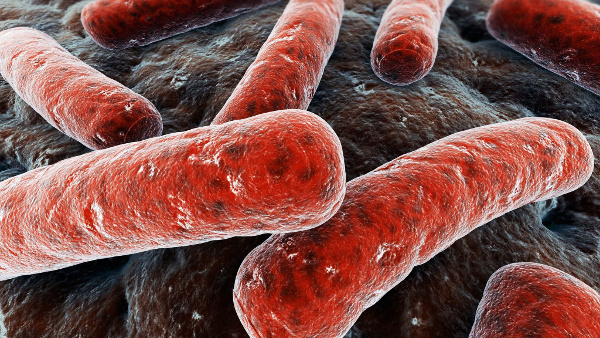
India has registered significant progress in its fight against tuberculosis (TB), achieving a 38% reduction in TB mortality since 2015 and a treatment success rate of 94% among patients with drug-susceptible tuberculosis. The achievements, highlighted in the World Health Organization’s (WHO) Global Tuberculosis Report 2026, released on 12 November 2026, reflect the country’s sustained efforts to strengthen early diagnosis, expand treatment access and improve patient care under the National TB Elimination Programme (NTEP).
According to the Ministry of Health and Family Welfare, India’s 38% decline in TB mortality between 2015 and 2025 compares with a global reduction of 35% over the same period. The country’s estimated TB mortality rate declined from 28 deaths per lakh population in 2015 to 18 deaths per lakh in 2025. The reduction has been supported by intensified case detection, rapid molecular diagnostics, expanded treatment services, nutritional assistance and greater community participation.
The WHO report also highlights India’s treatment success rate of 94% among patients with drug-susceptible TB, demonstrating progress in treatment delivery, patient monitoring and continuity of care. The Government has attributed these improvements to coordinated interventions combining medical treatment, technological innovation and social support.
TB Mukt Bharat Abhiyaan Reaches Over 25 Crore People
The TB Mukt Bharat Abhiyaan has emerged as a major component of India’s national strategy to accelerate tuberculosis detection and treatment. The intensified campaign began on 7 December 2024 across 347 high-priority districts in 33 States and Union Territories before being expanded nationwide.
Building on the initial campaign, the Government launched another intensified 100-day initiative on 24 March 2026, targeting approximately 1.58 lakh high-risk villages and urban wards, congregate settings and vulnerable population groups. The campaign focuses on identifying tuberculosis among individuals who may not exhibit obvious symptoms, enabling earlier diagnosis and treatment initiation.
Between 7 December 2024 and 8 November 2026, more than 25 crore individuals were identified and brought within the ambit of tuberculosis screening activities. During this period, healthcare teams conducted over 11 crore chest X-rays and more than 3 crore nucleic acid amplification tests (NAAT), which provide rapid molecular diagnosis of tuberculosis.
The intensified screening programme identified 48.64 lakh new TB cases, including 14.97 lakh cases among individuals without symptoms. The substantial number of asymptomatic cases detected demonstrates the importance of proactive screening in identifying infections that could otherwise remain undiagnosed until symptoms develop.
The campaign has also strengthened local-level participation in tuberculosis elimination. According to the Government, 67,933 Panchayats were declared TB-free in 2025, reflecting the expansion of community-based surveillance, awareness and patient support activities.
AI-Enabled Diagnostics Strengthen Early Detection
Advanced diagnostic technologies have become an increasingly important component of India’s tuberculosis elimination strategy. The expansion of portable digital chest X-ray systems equipped with artificial intelligence capabilities has enabled healthcare teams to conduct screening in communities where access to conventional diagnostic facilities may be limited.
AI-assisted chest X-ray interpretation supports the identification of abnormalities associated with tuberculosis, while molecular diagnostic tests help confirm infections. These technologies have strengthened the programme’s ability to screen vulnerable populations and identify cases requiring further investigation.
The Government has also introduced artificial intelligence tools to identify potential tuberculosis hotspots, assess the risk of adverse treatment outcomes and support programme management. Digital initiatives include Khushi, an AI-powered chatbot and video-based assistance system developed to improve access to tuberculosis-related information and patient support.
The Ni-kshay digital platform continues to support patient registration, treatment monitoring, follow-up and programme management. By integrating patient information with healthcare delivery, the platform enables health authorities to monitor treatment progress and identify individuals requiring additional assistance.
The national programme has also incorporated screening and management of associated health conditions, including diabetes and undernutrition, to strengthen comprehensive care for patients affected by tuberculosis.
Nutritional Assistance Supports Treatment and Recovery
Nutritional support remains an important part of India’s tuberculosis response, particularly because undernutrition can affect immunity, disease progression and recovery.
Under the Ni-kshay Poshan Yojana, eligible tuberculosis patients receive financial assistance to support their nutritional requirements during treatment. The initiative complements medical care by addressing nutritional challenges that can adversely affect recovery.
The Ni-kshay Mitra initiative further strengthens patient assistance by encouraging individuals, institutions, corporate organisations and community groups to provide nutritional and psychosocial support to people undergoing tuberculosis treatment.
These interventions form part of the Government’s patient-centred approach, which combines diagnosis and medication with nutritional assistance, treatment adherence monitoring and community-based support.
Scientific Surveillance Strengthens TB Mortality Estimates
The WHO Global Tuberculosis Report 2026 incorporates updated scientific evidence and surveillance information to assess India’s progress in reducing tuberculosis mortality.
The mortality estimates draw upon data from the Registrar General of India’s Sample Registration System, community-based verbal autopsy assessments and programme information maintained through the Ni-kshay platform.
Based on the updated assessment, India’s estimated tuberculosis mortality rate declined from approximately 28 deaths per lakh population in 2015 to 18 deaths per lakh in 2025. The report records an overall reduction of 38% using the underlying estimates.
The updated methodology reflects efforts to strengthen mortality measurement through the integration of national vital statistics, epidemiological assessments and tuberculosis programme data.
The Indian Council of Medical Research–National Institute for Research in Tuberculosis (ICMR-NIRT) also conducted a nationally representative tuberculosis prevalence survey in 2025. The findings have been shared with WHO and remain under technical discussion. Following this process, WHO is expected to publish an updated tuberculosis country profile for India.
Domestic Resources Meet 96% of TB Programme Funding Requirements
India’s financial commitment to tuberculosis elimination is reflected in the substantial share of programme funding supported through domestic resources.
According to the Ministry of Health and Family Welfare, domestic financing meets approximately 96% of the country’s tuberculosis programme funding requirements. This level of national funding supports diagnostic services, treatment delivery, patient assistance, surveillance and public health interventions.
The Government’s investments under the National TB Elimination Programme have supported the expansion of molecular diagnostic infrastructure, portable screening technologies, treatment facilities and community-based healthcare services.
The programme operates through coordination between the Union Government, States and Union Territories, healthcare institutions, research organisations and local administrative bodies.
Community Participation Expands Through Jan Bhagidari
India’s tuberculosis elimination programme has increasingly emphasised public participation through the principles of Jan Bhagidari, bringing communities into the national effort to improve awareness, encourage screening and support patients.
Panchayati Raj Institutions, urban local bodies, healthcare workers, private medical practitioners, civil society organisations and community volunteers have contributed to expanding tuberculosis-related services at the grassroots level.
The Ni-kshay Mitra initiative has provided a mechanism for citizens and institutions to participate directly in patient support, while local awareness campaigns have encouraged individuals to seek timely testing and treatment.
The Government has also introduced the JOSH Teams initiative to strengthen youth participation in tuberculosis elimination activities. These teams are being constituted at block and ward levels under the leadership of designated Class-I officers, with participation from five National Cadet Corps cadets and five MY Bharat volunteers.
The initiative focuses on community mobilisation, public awareness, screening participation and treatment adherence, reinforcing the role of local institutions and young volunteers in the national tuberculosis response.
India Strengthens Its Efforts Towards TB Elimination
The findings highlighted in the WHO Global Tuberculosis Report 2026 demonstrate India’s progress in reducing tuberculosis mortality and strengthening treatment outcomes through an integrated public health strategy.
The 38% decline in estimated TB mortality, 94% treatment success rate among patients with drug-susceptible TB and expanded screening coverage under the TB Mukt Bharat Abhiyaan represent important achievements in the country’s continuing fight against the disease.
The Government’s approach combines early detection, AI-enabled diagnostics, molecular testing, patient monitoring, nutritional assistance and community participation to strengthen tuberculosis prevention and treatment services.
With continued investments in public health infrastructure, scientific surveillance and community-based healthcare delivery, India is pursuing its national objective of tuberculosis elimination while contributing to the broader global effort to reduce the burden of the disease.
You may also like
-
Indian HealthTech Startup EkaCare Selected to Build Multilingual AI Medical Documentation System for NHA
-
Ayurveda and Obesity: The Role of Food, Activity and Routine
-
Ayurveda and Weight Management: Beyond Calorie Counting
-
Ayurveda and Menopause: Lifestyle Support During Transition
-
AstraZeneca to Introduce Advanced Breast Cancer Medicine Datverzo in India in November
