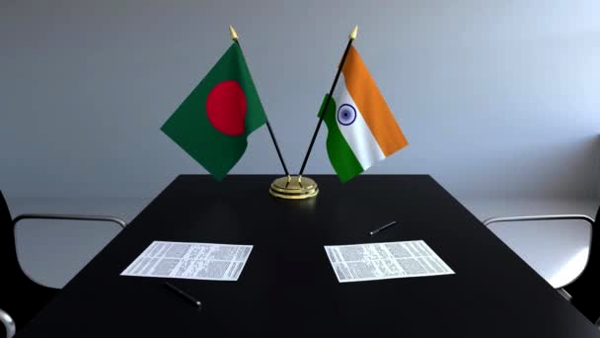
Dibrugarh is set to reconnect with international river trade on October 5, 2026, as the first cargo consignment from the Upper Assam city since Independence begins its voyage to Bangladesh. Union Minister of Ports, Shipping and Waterways Sarbananda Sonowal is scheduled to flag off the vessel from the Bogibeel Terminal at 11:00 AM.
The maiden shipment will carry methanol produced by Assam Petro-Chemicals Limited to Pangaon Port in Dhaka. The vessel will travel along National Waterway-2 on the Brahmaputra before entering the Indo-Bangladesh Protocol Route, creating a direct inland-waterway link between Upper Assam and an international destination.
First International Cargo Voyage from Dibrugarh Since Independence
The Ministry of Ports, Shipping and Waterways has described the voyage as the first occasion since Independence on which a cargo consignment from Dibrugarh will sail to a foreign port.
The shipment therefore represents more than a single commercial movement. Dibrugarh was historically one of the Brahmaputra valley’s important river-trade centres, with the river connecting Upper Assam to larger markets before modern road and rail networks became dominant. The new voyage restores an international dimension to that historic transport corridor.
Assam Chief Minister Himanta Biswa Sarma is scheduled to join the flag-off ceremony virtually as Chief Guest. The programme is being organised by the Ministry of Ports, Shipping and Waterways and the Inland Waterways Authority of India in association with the Government of Assam and Assam Petro-Chemicals Limited.
Methanol from Assam Petro-Chemicals Heads to Bangladesh
The cargo consists of methanol manufactured by Assam Petro-Chemicals Limited, giving the voyage an important industrial dimension. Instead of moving the consignment entirely through conventional surface transport, the shipment will use the Brahmaputra and the established India-Bangladesh inland-waterway network to reach Dhaka.
For Assam, such movements can provide industries with an additional freight corridor connecting production centres in the Northeast with markets beyond the region. The development is particularly relevant for industries handling bulk and heavy cargo, where inland waterways can complement roads and railways rather than replace them.
The voyage also demonstrates how industrial production in Upper Assam can be linked directly with regional trade routes through river infrastructure.
National Waterway-2 Forms the Backbone of the Route
National Waterway-2 covers approximately 891 kilometres of the Brahmaputra between the Bangladesh border and Sadiya. It was declared a National Waterway in September 1988 and remains the principal inland-waterway corridor of Assam.
The Inland Waterways Authority of India maintains navigable stretches of the river and has been developing terminals, jetties, navigation systems and supporting infrastructure along the route. Bogibeel is among the terminals identified for cargo and tourism operations on National Waterway-2.
Existing cargo movements on the Brahmaputra include food grains, fertilisers, construction materials and over-dimensional cargo. The addition of an international methanol consignment from Dibrugarh expands the range and geographical reach of commercial operations on the waterway.
Indo-Bangladesh Protocol Route Connects Assam with Regional Markets
After travelling downstream on the Brahmaputra, the vessel will use the Indo-Bangladesh Protocol Route to reach Pangaon Port in Dhaka.
India and Bangladesh permit inland vessels to operate through designated waterways under their bilateral Protocol on Inland Water Transit and Trade. The arrangement allows Indian cargo to move through Bangladesh’s river system and provides the Northeast with an alternative connection to ports, markets and logistics networks.
For Assam, this geographical advantage is particularly significant. River routes through Bangladesh can provide comparatively direct access from the Brahmaputra valley to major commercial centres and maritime gateways, reducing the Northeast’s dependence on longer overland freight corridors.
Bogibeel Emerging as an Inland-Waterway Logistics Node
Bogibeel occupies a strategically useful position close to Dibrugarh and the industrial areas of Upper Assam. IWAI has been developing inland-waterway facilities along this stretch of the Brahmaputra to support cargo movement, tourism and improved regional connectivity.
The first international shipment strengthens Bogibeel’s potential role as a logistics point serving industries across Upper Assam and neighbouring areas.
Greater cargo utilisation can also strengthen the commercial case for continued investment in river terminals, navigational aids, cargo-handling infrastructure and connections between waterways, roads and railways.
Inland Waterways Expand Northeast India’s Logistics Options
The Government has increasingly promoted inland waterways as part of a broader multimodal transport strategy for the Northeast. River transport is particularly suited to large-volume and heavy cargo where waterways can provide an efficient alternative to long-distance road movement.
National Waterway-2 already supports commercial, government, tourism and strategic transportation. Developing regular international freight services would add another layer to this network by linking Assam’s industrial centres more closely with Bangladesh and wider regional markets.
The Dibrugarh-Dhaka voyage also shows how existing geography can be converted into economic infrastructure. The Brahmaputra, once the principal commercial artery of Upper Assam, is gradually being integrated again into modern freight and logistics systems.
Brahmaputra Returns to Its Historic Role as a Trade Corridor
The maiden methanol shipment from Bogibeel marks a significant moment in the revival of Assam’s river-based commercial connectivity. A route that historically connected Dibrugarh with markets beyond the Brahmaputra valley is once again being used for international cargo.
By linking local industry, National Waterway-2 and the Indo-Bangladesh Protocol Route, the voyage creates a practical model for expanding inland-waterway trade from the Northeast. As terminals and navigation infrastructure continue to develop, the Brahmaputra is steadily reclaiming its place as one of eastern India’s most important commercial transport corridors.
References
Press Information Bureau, Ministry of Ports, Shipping and Waterways — Union Minister Sarbananda Sonowal to Flag Off First International Cargo Voyage from Dibrugarh, October 4, 2026.
https://www.pib.gov.in/PressReleseDetailm.aspx?PRID=2318945
Inland Waterways Authority of India — National Waterway-2, Brahmaputra.
https://www.iwai.gov.in/offerings/national-waterway/national-waterways2
Inland Waterways Authority of India — North-East Region: Inland Waterways and Indo-Bangladesh Protocol Route.
https://iwai.gov.in/north-east-region
You may also like
-
GST 2.0 Simplifies Registration and Accelerates Refunds for Indian Businesses
-
India and United States Expand Indian Ocean Cooperation Through Strategic Connectivity and Maritime Initiatives
-
Kaipad Rice — The Grain of Kerala’s Tidal Fields
-
Two-Thirds of 98 Tracked Indian Startups Report FY26 Profits as Revenue Reaches ₹3.22 Lakh Crore
-
MOIL Manganese Production Rises 19% to 1.81 Lakh Tonnes in September
