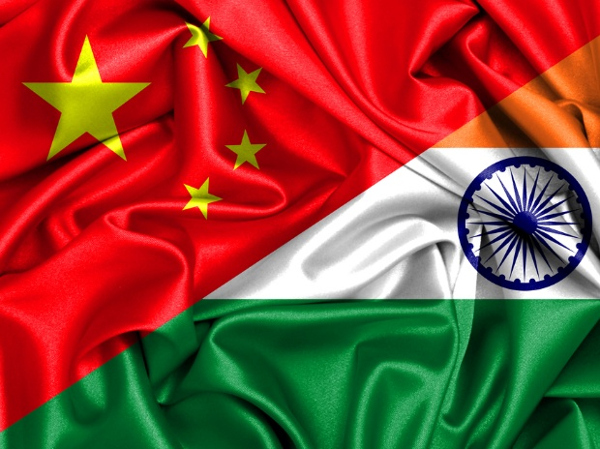
Seasonal border trade between India and China has resumed through Nathu La in Sikkim, Shipki La in Himachal Pradesh and Lipulekh Pass in Uttarakhand, bringing three traditional Himalayan trading corridors back into operation after a six-year interruption.
Commercial movement through these routes had remained suspended since 2020 following the COVID-19 pandemic and the subsequent deterioration in bilateral relations along the India–China border. The reopening marks a cautious revival of local economic exchanges between Indian frontier communities and markets in the Tibet Autonomous Region.
Officials said the current trading season is expected to continue until the end of October. It could be extended into November if authorities on both sides agree.
Trade Restarts at Nathu La
A formal reopening ceremony was held at Nathu La with representatives from India and China in attendance.
Under the existing bilateral border-trade arrangement, commercial exchanges through the Sikkim route will take place from Monday to Thursday during the notified season.
The Sikkim government has issued trade passes to 38 registered traders. Around 36 approved categories of goods can be exchanged through the pass, including handicrafts, handloom products, traditional religious items, ready-made garments and other notified merchandise.
Nathu La has historically served as an important link between Sikkim and Tibet. The resumption is expected to benefit traders, transporters, artisans and other local businesses associated with the seasonal trade.
Traders Depart Through Shipki La
Border commerce has also restarted through Shipki La, the high-altitude pass connecting Himachal Pradesh with Tibet along an ancient branch of the Silk Route.
Himachal Pradesh Revenue and Horticulture Minister Jagat Singh Negi flagged off a group of 16 traders and their horses towards the Tibetan side.
Trade through Shipki La has traditionally involved communities from Kinnaur district. Pack animals continue to play an important role because of the difficult terrain and limited transport infrastructure along parts of the route.
The reopening may help restore an old commercial connection that once supported the exchange of local agricultural produce, handicrafts and essential commodities between Himalayan settlements.
Initial Assessment Visit Through Lipulekh Pass
In Uttarakhand, 20 Indian traders accompanied by four helpers crossed the Lipulekh Pass into the Tibet Autonomous Region.
The first group did not carry merchandise for immediate sale. Its initial purpose was to inspect facilities, assess business conditions and examine the possibility of restoring regular trade during the present season.
According to officials in Dharchula, Chinese authorities initially permitted entry only to traders who had left unsold goods in Tibet before commerce was suspended.
The group is expected to visit warehouses at Pulan market in Taklakot, where goods belonging to Indian traders have remained stored since 2019.
Their visit will help determine the condition of the stored merchandise, the availability of local infrastructure and the practical requirements for restarting commercial exchanges through Lipulekh.
Economic Importance for Border Communities
The three routes support a specialised form of seasonal trade shaped by geography, climate and traditional community links. Although the total value of commerce is relatively modest compared with maritime or large land-based trade, it remains economically and culturally important for remote Himalayan regions.
Border trade can generate income for traders, farmers, artisans, porters, animal handlers, transport providers and small businesses located near the passes. It also helps maintain historical connections between communities separated by modern international boundaries.
The reopening may encourage the gradual return of traditional products such as wool, handicrafts, textiles, spices, agricultural goods and religious articles, subject to the approved lists and customs regulations governing each route.
A Cautious Step in Bilateral Engagement
The resumption follows recent diplomatic efforts by India and China to stabilise relations and maintain peace along the border.
While seasonal trade through the Himalayan passes is limited in scale, its revival carries wider significance. It suggests that the two countries are willing to restore selected mechanisms of practical cooperation while continuing discussions on broader political and security issues.
The present season is likely to serve as a test of infrastructure, customs coordination, trader participation and arrangements on the Chinese side. A smooth trading period could support a more regular and expanded exchange in future years.
For communities along Nathu La, Shipki La and Lipulekh, the reopening restores not merely a commercial activity but a centuries-old tradition that once linked the Indian Himalayas with the markets of Tibet.
You may also like
-
India, Russia and the Ukraine Conflict: Putin Highlights Modi’s Continued Push for Dialogue and a Negotiated Settlement
-
EON Space Labs and Dhruva Space Advance Indian Space Hardware on Transporter-18 Mission
-
SatLeo Labs’ TAPAS-1 Reaches Orbit, Advancing India’s Private Thermal-Imaging Capability
-
TakeMe2Space’s MOI-1A Reaches Space on Falcon 9 Transporter-18 Mission
-
Bank of Baroda Enters Pension Fund Management After PFRDA Appointment
