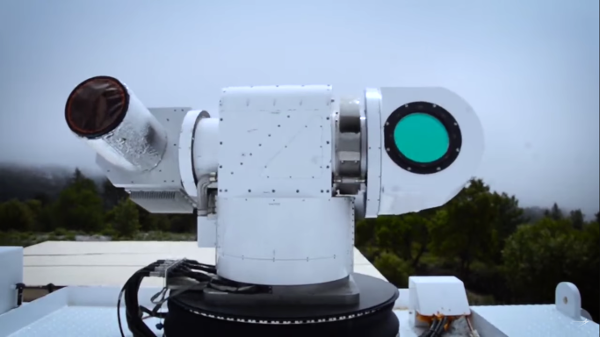
DRDO’s Counter-Drone Architecture is one of India’s most practical and battlefield-relevant defence innovations because it directly answers one of the biggest shifts in modern warfare: the rise of cheap drones, swarm tactics, loitering munitions and electronic disruption. Instead of depending only on one method of response, DRDO’s system combines detection, tracking, soft kill and hard kill into one layered architecture.
The Ministry of Defence has stated that DRDO’s indigenous anti-drone technology is capable of detecting enemy drones, jamming their communication links and destroying them through a laser-based hard-kill mechanism. This gives the system a complete response chain: first identify the threat, then disrupt it electronically, and finally neutralise it physically when required.
The system’s strength lies in its layered design. It uses radar, electro-optical/infrared sensors and radio-frequency detectors to locate hostile micro drones. Once detected, the RF/GNSS system can identify the frequency used by the controller and jam the signal. This soft-kill method is especially important against commercially adapted drones, which often depend on command links, navigation signals and remote control channels.
For threats that continue to advance despite jamming, DRDO’s architecture includes a laser-based hard-kill option. This is the most futuristic part of the design. A directed-energy laser allows the system to physically terminate hostile drones without depending on expensive missiles or large-calibre ammunition. Against low-cost drones, this matters because the defender must avoid spending a high-value interceptor against a low-cost aerial threat.
The Naval Anti-Drone System, developed by DRDO and manufactured by Bharat Electronics Limited, became the first indigenous comprehensive anti-drone system inducted into the Indian Armed Forces through the Indian Navy. The system was described as having both hard-kill and soft-kill capabilities, and the Navy’s role in its joint development with DRDO and BEL shows how India translated laboratory capability into an operational platform.
The architecture is also notable because it is not limited to a single sensor. DRDO’s export compendium describes its Counter Drone System as a multi-sensor detection and neutralisation system capable of real-time search and tracking through radars, electro-optical sensors and COMINT. It also states that the system uses RF jamming and anti-GNSS technologies for soft kill, while a laser Directed Energy Weapon is used for hard kill. The complete system is integrated into a single command-and-control centre.
This is where DRDO’s ingenuity stands out. A drone threat moves fast, flies low, and can appear in small radar signatures. A successful counter-drone system must therefore behave like a compact air-defence grid: it must see, classify, track, decide and neutralise within seconds. DRDO’s design brings together sensors, electronic warfare and directed energy into a single operational loop.
The system also offers a strong answer to drone swarm warfare. Cheap drones can be launched in numbers to overwhelm traditional air defence. A missile-only response becomes expensive and unsustainable. DRDO’s combination of jamming and laser hard kill creates a more cost-effective defence model. Soft kill can disable or divert many drones, while the laser option can engage harder targets that remain a threat.
Another important point is portability and deployment flexibility. The DRDO compendium describes the system as highly portable and easily deployable, with an instrumented range of 10 km and multi-spectral, multi-sensor technologies. This makes it useful for protecting airbases, naval installations, military convoys, ammunition depots, command centres, border posts and critical civilian infrastructure.
The system’s operational relevance was proven early through deployments for high-security national events. The Naval Anti-Drone System was deployed for security cover during the Republic Day Parade, the Prime Minister’s Independence Day address from the Red Fort and a major public event in Ahmedabad. These deployments show confidence in the system’s real-world protective role, especially in dense urban and ceremonial security environments.
DRDO’s counter-drone ecosystem is also moving into training and capacity building. In March 2026, NeGD, DIAT and DRDO conducted an advanced anti-drone training programme for CISF officers, covering detection, tracking, assessment, neutralisation, directional and omnidirectional jamming, camera-based systems, 3D drone trajectory analysis and practical UAS neutralisation exercises. This shows that India is building not just the equipment, but also the trained human infrastructure needed to operate such systems.
In comparison with many imported counter-drone approaches, the Indian advantage lies in indigenous integration and mission fit. DRDO’s system isDRDO’s Counter-Drone Architecture is one of India’s most practical and battlefield-relevant defence innovations because it directly answers one of the biggest shifts in modern warfare: the rise of cheap drones, swarm tactics, loitering munitions and electronic disruption. Instead of depending only on one method of response, DRDO’s system combines detection, tracking, soft kill and hard kill into one layered architecture.
The Ministry of Defence has stated that DRDO’s indigenous anti-drone technology is capable of detecting enemy drones, jamming their communication links and destroying them through a laser-based hard-kill mechanism. This gives the system a complete response chain: first identify the threat, then disrupt it electronically, and finally neutralise it physically when required.
The system’s strength lies in its layered design. It uses radar, electro-optical/infrared sensors and radio-frequency detectors to locate hostile micro drones. Once detected, the RF/GNSS system can identify the frequency used by the controller and jam the signal. This soft-kill method is especially important against commercially adapted drones, which often depend on command links, navigation signals and remote control channels.
For threats that continue to advance despite jamming, DRDO’s architecture includes a laser-based hard-kill option. This is the most futuristic part of the design. A directed-energy laser allows the system to physically terminate hostile drones without depending on expensive missiles or large-calibre ammunition. Against low-cost drones, this matters because the defender must avoid spending a high-value interceptor against a low-cost aerial threat.
The Naval Anti-Drone System, developed by DRDO and manufactured by Bharat Electronics Limited, became the first indigenous comprehensive anti-drone system inducted into the Indian Armed Forces through the Indian Navy. The system was described as having both hard-kill and soft-kill capabilities, and the Navy’s role in its joint development with DRDO and BEL shows how India translated laboratory capability into an operational platform.
The architecture is also notable because it is not limited to a single sensor. DRDO’s export compendium describes its Counter Drone System as a multi-sensor detection and neutralisation system capable of real-time search and tracking through radars, electro-optical sensors and COMINT. It also states that the system uses RF jamming and anti-GNSS technologies for soft kill, while a laser Directed Energy Weapon is used for hard kill. The complete system is integrated into a single command-and-control centre.
This is where DRDO’s ingenuity stands out. A drone threat moves fast, flies low, and can appear in small radar signatures. A successful counter-drone system must therefore behave like a compact air-defence grid: it must see, classify, track, decide and neutralise within seconds. DRDO’s design brings together sensors, electronic warfare and directed energy into a single operational loop.
The system also offers a strong answer to drone swarm warfare. Cheap drones can be launched in numbers to overwhelm traditional air defence. A missile-only response becomes expensive and unsustainable. DRDO’s combination of jamming and laser hard kill creates a more cost-effective defence model. Soft kill can disable or divert many drones, while the laser option can engage harder targets that remain a threat.
Another important point is portability and deployment flexibility. The DRDO compendium describes the system as highly portable and easily deployable, with an instrumented range of 10 km and multi-spectral, multi-sensor technologies. This makes it useful for protecting airbases, naval installations, military convoys, ammunition depots, command centres, border posts and critical civilian infrastructure.
The system’s operational relevance was proven early through deployments for high-security national events. The Naval Anti-Drone System was deployed for security cover during the Republic Day Parade, the Prime Minister’s Independence Day address from the Red Fort and a major public event in Ahmedabad. These deployments show confidence in the system’s real-world protective role, especially in dense urban and ceremonial security environments.
DRDO’s counter-drone ecosystem is also moving into training and capacity building. In March 2026, NeGD, DIAT and DRDO conducted an advanced anti-drone training programme for CISF officers, covering detection, tracking, assessment, neutralisation, directional and omnidirectional jamming, camera-based systems, 3D drone trajectory analysis and practical UAS neutralisation exercises. This shows that India is building not just the equipment, but also the trained human infrastructure needed to operate such systems.
In comparison with many imported counter-drone approaches, the Indian advantage lies in indigenous integration and mission fit. DRDO’s system is shaped for India’s own security needs: military bases, naval installations, border areas, VIP events, strategic assets and critical infrastructure. It gives India a domestic supply chain, upgrade control, operational secrecy and freedom from foreign dependency in a fast-changing technology domain.
The larger defence meaning is clear. Drones have changed the cost equation of war. A small quadcopter can guide artillery, attack a fuel dump, spy on troop movement or threaten a high-security zone. DRDO’s Counter-Drone Architecture gives India a layered answer to that threat through radar eyes, RF ears, electronic disruption and laser firepower.
Overall, DRDO’s anti-drone system is a strong example of Indian defence ingenuity. It is not simply a jammer or a gun. It is an integrated counter-UAS shield built around detection, electronic warfare, command-and-control and directed energy. In the age of drone swarms and low-cost aerial threats, this kind of architecture gives India a serious technological and operational edge. shaped for India’s own security needs: military bases, naval installations, border areas, VIP events, strategic assets and critical infrastructure. It gives India a domestic supply chain, upgrade control, operational secrecy and freedom from foreign dependency in a fast-changing technology domain.
The larger defence meaning is clear. Drones have changed the cost equation of war. A small quadcopter can guide artillery, attack a fuel dump, spy on troop movement or threaten a high-security zone. DRDO’s Counter-Drone Architecture gives India a layered answer to that threat through radar eyes, RF ears, electronic disruption and laser firepower.
Overall, DRDO’s anti-drone system is a strong example of Indian defence ingenuity. It is not simply a jammer or a gun. It is an integrated counter-UAS shield built around detection, electronic warfare, command-and-control and directed energy. In the age of drone swarms and low-cost aerial threats, this kind of architecture gives India a serious technological and operational edge.
You may also like
-
Indian Army Special Forces Depart for Indonesia for Exercise Garuda Shakti 2026
-
India to Train 600 Nigerian Army Soldiers in Specialised Jungle and Mountain Warfare
-
India Moves Towards Five-Year Assured Orders for Defence Startups Under New Procurement Reforms
-
Zen Technologies Introduces Indigenous Hyper-Strike Falcon AI-Guided Counter-Drone Interceptor
-
L&T and Germany’s SCHOTTEL Expand Partnership for Controllable Pitch Propeller Systems in Indian Shipbuilding
