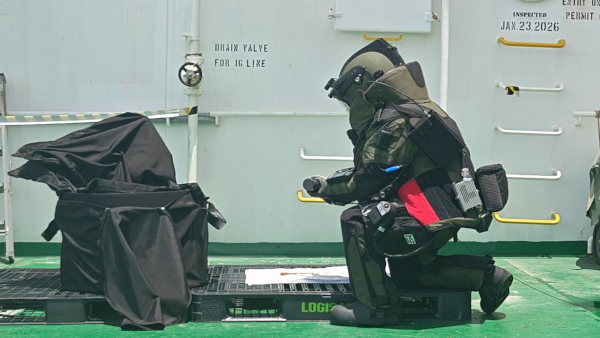
The Indian Navy has completed a complex and high-risk explosive ordnance disposal operation by safely recovering an unexploded missile warhead from the crude oil tanker MT Olympic Life off Kochi. The operation highlights the Navy’s ability to respond to maritime emergencies with technical precision, calm execution and strong inter-agency coordination. The Ministry of Defence said the operation involved the recovery of an unexploded warhead from a merchant tanker that had sustained an explosion in its hull earlier during its voyage.
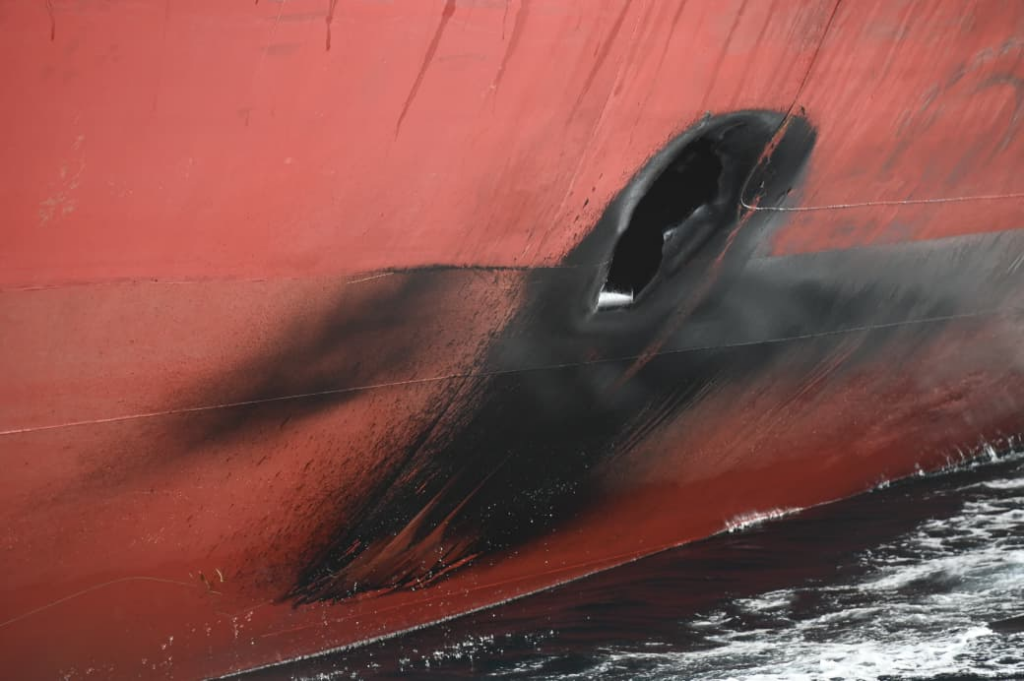
MT Olympic Life is a Marshall Islands-flagged crude oil tanker that was sailing from Fujairah in the UAE to Kochi. The tanker reported an explosion in its hull while it was off the coast of Oman on 26 May 2026. The vessel later reported the presence of unexploded ordnance as it continued its movement towards Kochi. The ship did not have any Indian nationals onboard, but the Indian Navy responded because the situation carried serious maritime safety risks.
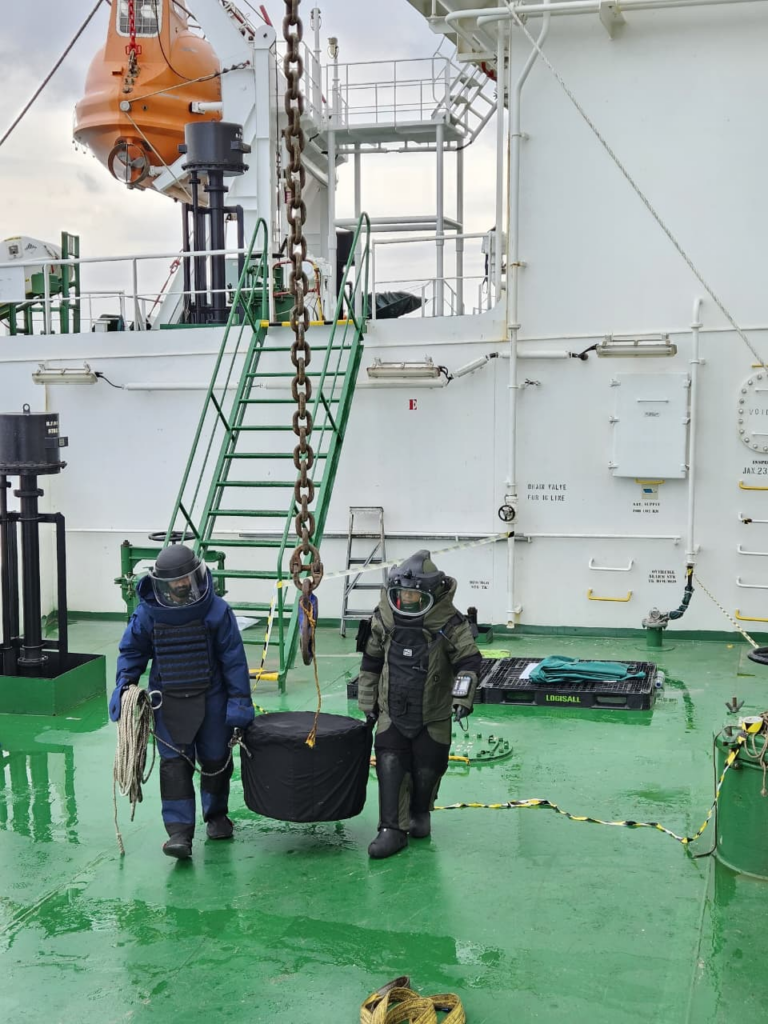
The first alert reached the Indian side through the Information Fusion Centre – Indian Ocean Region, after which the Southern Naval Command at Kochi launched a coordinated response. A specialist Explosive Ordnance Disposal team was deployed to assess the vessel. The team found that a projectile had entered the ship’s hull, passed through multiple structural compartments and become lodged inside a fuel tank. This made the operation extremely sensitive because the unexploded missile warhead was located inside a fuel storage area.
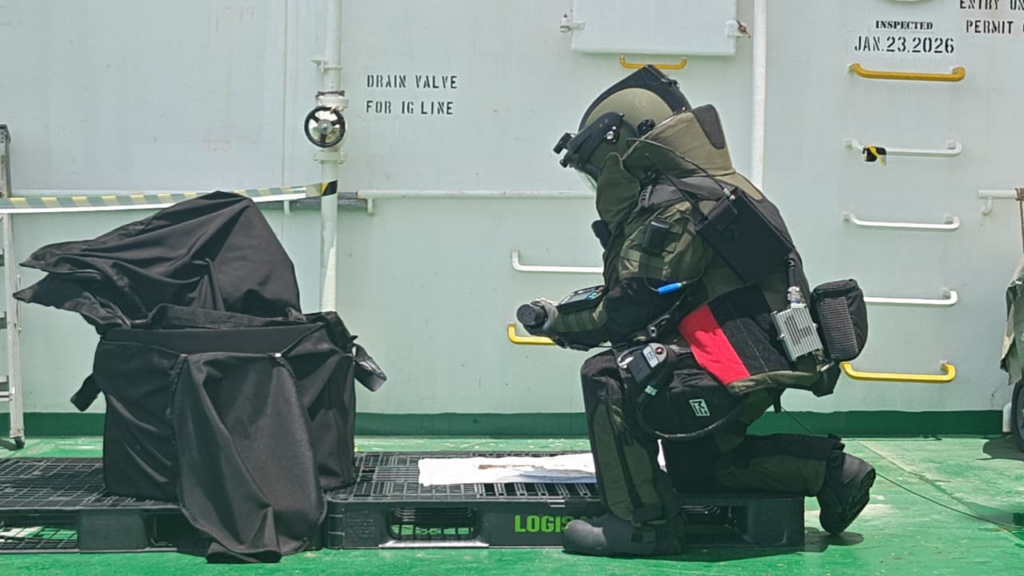
The EOD team followed a deliberate phased method to protect the tanker, the crew and nearby port infrastructure. After completing the required safety procedures, the specialists used advanced diagnostic techniques to identify and isolate the detonation mechanism. They then extracted the warhead along with associated debris in a controlled manner. The recovered ordnance has now been shifted to a secure facility for safe storage and detailed examination.
This operation is important because it shows the Indian Navy’s role beyond conventional combat duties. Modern maritime security includes rescue, explosive disposal, port safety, shipping protection, intelligence coordination and response to emergencies involving foreign vessels. A single unexploded warhead inside a tanker fuel compartment could have created a major danger for the ship, crew, port assets and surrounding maritime traffic. The Navy’s measured handling turned a dangerous contingency into a controlled recovery operation.
The incident also underlines the value of India’s maritime information network. The IFC-IOR has become an important node for tracking, sharing and responding to maritime incidents across the Indian Ocean Region. In this case, information flow, naval readiness and specialist technical skill came together quickly. The response showed how India’s maritime security architecture works in real time when a commercial vessel faces danger at sea.
The operation strengthens India’s image as a responsible maritime power in the Indian Ocean. The tanker was foreign-flagged and carried no Indian nationals, yet the Navy acted to secure the vessel and reduce wider risk. This reflects India’s position as a trusted security partner in the region and a stabilising force for sea lanes that carry global energy and trade.
Source: PIB
You may also like
-
India Moves Towards Five-Year Assured Orders for Defence Startups Under New Procurement Reforms
-
Zen Technologies Introduces Indigenous Hyper-Strike Falcon AI-Guided Counter-Drone Interceptor
-
L&T and Germany’s SCHOTTEL Expand Partnership for Controllable Pitch Propeller Systems in Indian Shipbuilding
-
India to Train 60,000 Civil Defence Volunteers Across 12 States and UTs with Indian Army Support
-
Indian Army’s Northern Command Opens 75-Day Defence Technology Internship Programme for Young Innovators
