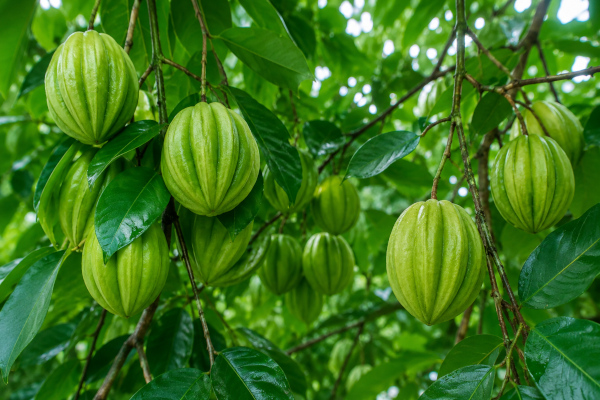
Garcinia cambogia, known in many homes as Kudampuli, Malabar tamarind or brindle berry, is one of those humble ingredients that proves the old Indian wisdom that food can also be medicine. In Kerala kitchens, it is not treated as a fashionable capsule or a miracle weight-loss shortcut. It is treated as a souring fruit, a digestive companion, a flavouring agent and a balancing ingredient that brings sharpness, depth and lightness to food.
The dried rind of Garcinia cambogia is dark, wrinkled, smoky and deeply sour. It carries a taste that instantly awakens the tongue. In traditional cooking, especially in fish curry, it gives the gravy its signature tang. This sourness is not merely for taste. In the food-is-medicine view, sour ingredients have a purpose. They stimulate appetite, improve salivation, awaken digestive fire and help heavy foods become more acceptable to the stomach.
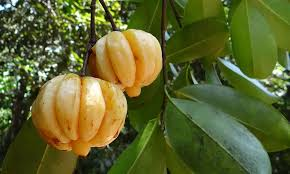
Ayurveda looks at food through rasa, guna, virya, vipaka and prabhava. Garcinia cambogia belongs naturally to the amla rasa family because sourness is its dominant taste. Amla rasa has the power to kindle appetite and support digestion when used properly. It gives brightness to dull food and brings movement to a sluggish meal. This is why Kudampuli is traditionally used with fish, meat and heavier curries. It cuts heaviness, adds digestive sharpness and brings balance to the plate.
The beauty of Kudampuli lies in its role as a kitchen medicine. It is not loud, glamorous or complicated. A small piece in a curry is enough to change the nature of the dish. It gives sourness without making the food harsh. It helps the gravy become lighter, deeper and more digestible. It also adds a preserved, matured flavour because the rind is usually dried and stored for long use. The old kitchen understood preservation, digestion and taste as one continuous science.
In Kerala’s coastal food culture, Kudampuli has a special place because fish is rich, oily and protein-dense. A souring agent helps such food settle better in the body. The tangy gravy encourages appetite, supports proper taste perception and prevents the meal from feeling flat or heavy. This is the food-is-medicine principle in action. The ingredient is selected not only for flavour, but for the way it changes the body’s response to the meal.
From an Ayurvedic perspective, Garcinia cambogia can be understood as a digestive stimulant when used in culinary quantity. Its sour taste supports agni, the digestive fire, especially when the meal is heavy, oily or protein-rich. When agni is weak, food can feel dull, slow and burdensome. A suitable sour ingredient can wake up the digestive process. This is why many Indian food traditions use tamarind, kokum, lemon, amla, kanji, fermented gruels and sour fruits in carefully chosen contexts.
Kudampuli also has a scraping and lightening reputation in traditional understanding. Sour and sharp ingredients, when used in correct quantity, can help reduce the sticky feeling of heaviness after food. This is one reason Garcinia cambogia became famous in modern supplement markets for weight management. The traditional kitchen idea, however, is more balanced. Kudampuli supports digestion as part of food. It is not a substitute for disciplined eating, movement, sleep, metabolism and overall lifestyle.
The modern world often removes herbs from the kitchen and turns them into capsules. This is where Garcinia cambogia needs careful understanding. In food, Kudampuli is used in small amounts, mixed with other ingredients, cooked in water, balanced with spices and consumed as part of a meal. In supplement form, Garcinia cambogia extract may be concentrated, standardised for hydroxycitric acid and consumed in much larger quantities. The body experiences a food ingredient and a concentrated extract very differently.
In the traditional food format, Kudampuli works best with spices that support digestion. Black pepper, ginger, curry leaves, garlic, shallots, turmeric, fenugreek and coconut-based preparations often appear around it in regional cooking. These combinations matter. Ayurveda rarely sees a single ingredient in isolation. Food becomes medicine through combination, proportion, preparation method, season and the person’s digestive capacity.
For Kapha-dominant heaviness, Kudampuli-style sourness may be useful when added to warm, spiced food. It brings sharpness and helps reduce the dullness of an oily meal. For Vata, it should be used with warmth, oil and proper spices because excessive sourness can disturb sensitive digestion. For Pitta, moderation is important because sour taste can increase heat when overused. This is the Ayurvedic art of matching food to constitution and condition.
Garcinia cambogia also teaches an important lesson about taste. Modern health conversations often reduce food into calories, carbohydrates, fat and protein. Ayurveda gives taste a therapeutic role. Sourness, sweetness, bitterness, pungency, saltiness and astringency are not accidents. They guide digestion, satisfaction and balance. Kudampuli brings sourness with depth. It makes food satisfying, wakes the tongue and helps the meal feel complete.
The digestive value of Kudampuli is also linked to appetite regulation in a traditional sense. A well-flavoured meal satisfies the senses better than a dull meal. When taste is complete, the mind feels more settled. This is different from forcing appetite suppression. Ayurveda does not encourage violence against hunger. It encourages intelligent eating, proper digestion and satisfaction through balanced meals. Kudampuli belongs to this gentler philosophy.
In a household setting, the best way to respect Garcinia cambogia is to use it as food. A small piece of dried Kudampuli can be soaked and added to fish curry, vegetable curry or certain sour gravies. It should be used according to taste and digestion. The curry should feel pleasantly sour, not aggressively sharp. After cooking, the pieces are often removed or left aside because their job is to lend sourness to the dish.
The ingredient also has a seasonal intelligence. In humid regions and coastal belts, souring and preserving ingredients have always been valuable. They improve taste, help store food and support digestion in climates where appetite can fluctuate. Kudampuli therefore belongs to the geography that produced it. It carries the memory of forests, rain, rivers, kitchens, clay pots and coastal meals.
A good Ayurvedic kitchen does not chase extremes. It does not turn every herb into a cure-all. Garcinia cambogia is useful because it is specific. It supports sourness, digestion, flavour and balance in certain foods. It has a place. It has a proportion. It has a method. When used properly, it becomes part of a wise meal. When overused or concentrated without guidance, it can lose the gentleness of food and become a strong supplement.
This distinction is especially important today because Garcinia cambogia is widely marketed for weight loss. The traditional kitchen never needed to advertise it like that. It used Kudampuli with intelligence: a little sourness for digestion, a little sharpness for heaviness, a little preservation for food, a little flavour for satisfaction. That is the real medicine. The medicine is not only in the fruit. It is in the correct use of the fruit.
People with liver disease, those taking regular medicines, pregnant or breastfeeding women, and people using diabetes, blood-thinning or psychiatric medicines should be careful with concentrated Garcinia cambogia supplements. Culinary use in small food quantities is a different matter, yet even food should respect the body’s response. Ayurveda always asks the same question: how does this food behave in this person, in this season, in this quantity, with this meal?
Garcinia cambogia reminds us that sourness has wisdom. It can awaken digestion, brighten food and support balance when used with restraint. It belongs to the old Indian kitchen pharmacy, where taste, digestion and health were never separated. Kudampuli is not merely a tangy ingredient in curry. It is a lesson in how traditional food cultures used nature with precision.
In the food-is-medicine view, Garcinia cambogia stands as a quiet healer of the plate. It does not need hype. It needs understanding. A small piece in the right curry, cooked with the right spices, eaten in the right quantity, can do what good food has always done: nourish the body, satisfy the senses and support digestion with grace.
You may also like
-
Indian MedTech Startup Periwinkle Takes Rapid AI Cervical Cancer Screening to BRICS
-
WHO Chief Praises India’s Gains in Maternal, Child Health and NCD Care
-
Ayurvedic Foods for Liver Health and Digestion
-
Ayurvedic Diet for Joint Health and Stiffness
-
Ayurvedic Breakfasts: What Traditional Ayurveda Suggests for the First Meal of the Day
