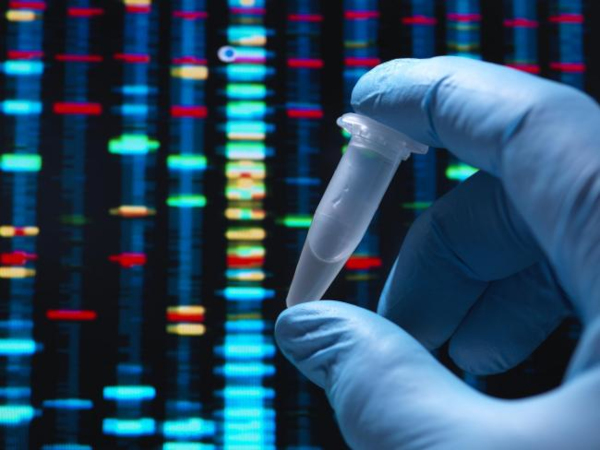
Union Minister Dr Jitendra Singh dedicated the UMMID Network to the nation at a function in New Delhi, marking an important step in India’s effort to strengthen early diagnosis, genetic counselling and preventive healthcare for inherited disorders. UMMID stands for Unique Methods of Management and Treatment of Inherited Disorders, a Department of Biotechnology initiative designed to address the burden of genetic diseases, especially among newborns and young children.
The dedication of the UMMID Network is significant because inherited and congenital disorders remain a serious but often under-recognised public-health challenge. Many families face years of uncertainty before receiving a correct diagnosis for a child’s rare or genetic condition. In such cases, timely screening, counselling and molecular diagnosis can make a major difference, not only for treatment but also for future family planning and prevention. The UMMID programme was built precisely around this idea: prevention is better than cure.
The event in New Delhi was organised under the Ministry of Science and Technology and featured Dr Jitendra Singh’s keynote address. Senior scientific and medical figures associated with biotechnology and genetic medicine were also listed for participation, including Dr Rajesh S. Gokhale, Secretary, Department of Biotechnology; Dr Madhulika Kabra of AIIMS New Delhi; Dr Ashwin Dalal from BRIC-CDFD; and Dr Suchita Ninawe from DBT.
UMMID was originally launched in 2019 to tackle inherited genetic diseases of newborn babies and to make advanced genetic services available through government hospitals. The programme aims to establish NIDAN Kendras, or National Inherited Diseases Administration centres, where families can receive counselling, prenatal testing, diagnosis, management and multidisciplinary care. This is especially important for people who cannot afford expensive private genetic testing and long-term specialist care.
The larger purpose of UMMID is to bring modern genomics into public healthcare. India has a large population, a high birth rate and several communities where inherited disorders may be more common because of family or community marriage patterns. Without accessible screening and counselling, many children with treatable or manageable genetic conditions may remain undiagnosed until the disease has already caused serious disability. UMMID tries to move the system from late reaction to early detection.
The initiative has three major pillars. The first is the creation of NIDAN Kendras in government hospitals. The second is the training of clinicians in human genetics, including biochemical genetics, cytogenetics, molecular genetics and clinical genetics. The third is the screening of pregnant women and newborn babies in aspirational districts for inherited genetic diseases. Together, these pillars create a bridge between laboratory science, hospital care and community-level public health.
This matters because genetic healthcare is not only about sophisticated laboratory reports. It also requires trained doctors who can interpret results, explain risks to families, guide treatment decisions and support parents through difficult choices. A genetic test without counselling can confuse families; counselling without diagnostic access can remain incomplete. UMMID’s strength lies in combining testing, counselling, clinical care and trained manpower within one public-health framework.
The programme also supports the idea of universal access to advanced medicine. For many years, genetic diagnostics in India remained concentrated in a few specialist institutions or private facilities. Families from smaller towns and poorer backgrounds often had to travel long distances, spend heavily and wait for months to get clarity. By strengthening government hospitals and building a networked model, UMMID can help reduce this gap and bring advanced diagnostics closer to ordinary citizens.
NIDAN Kendras are especially valuable for conditions where early intervention can change outcomes. Newborn screening can identify certain metabolic or endocrine disorders before severe symptoms appear. Prenatal testing can help detect high-risk pregnancies. Genetic counselling can help families understand recurrence risks in future pregnancies. For conditions such as thalassemia, sickle-cell disease, other haemoglobinopathies and treatable metabolic disorders, early detection can reduce suffering and improve long-term care planning.
The UMMID programme also links with India’s broader movement towards predictive, preventive and personalised healthcare. A PIB backgrounder on biomedical research noted that programmes such as GenomeIndia and UMMID are helping map India’s genetic landscape and improve early diagnosis and treatment of inherited diseases. While GenomeIndia contributes to population-level genomic understanding, UMMID focuses more directly on families, newborns and children affected by rare and inherited conditions.
Another important feature is capacity-building. Earlier PIB information on the programme listed training centres such as AIIMS New Delhi, CDFD Hyderabad, SGPGIMS Lucknow, Maulana Azad Medical College New Delhi, NIIH Mumbai, CMC Vellore and Madras Medical Mission Chennai for training clinicians in genetic diagnostics. Such training is essential because India needs not just machines and labs, but a national pool of doctors who can use genomic tools responsibly in real clinical settings.
The dedication of the UMMID Network therefore represents more than a ceremonial milestone. It signals that India is trying to build an organised national ecosystem for inherited-disorder care. A networked approach can help institutions share expertise, standardise protocols, improve referrals, collect better data and support families across regions. This is vital in a country where genetic disorders vary across communities, geographies and population groups.
For public health, the benefits can be long-term. Early diagnosis can reduce avoidable disability. Screening can identify risks before a disease becomes severe. Counselling can help families make informed decisions. Training can improve the confidence of doctors in government hospitals. Over time, such a system can also generate India-specific data on inherited disorders, allowing policy planners to design better interventions instead of relying only on global disease patterns.
UMMID also carries an emotional dimension. For parents, the most painful part of a child’s rare genetic illness is often uncertainty. They may move from one hospital to another, hear different explanations, and lose valuable time before reaching a diagnosis. A stronger UMMID Network can shorten this difficult journey by providing structured diagnostic and counselling support within the public system.
India’s healthcare system is now moving into a phase where prevention, genomics and early screening must become part of mainstream medicine. Infectious diseases and nutrition-related challenges remain important, but congenital, inherited and rare disorders are increasingly becoming visible as major contributors to childhood illness and family distress. UMMID responds to this changing health reality by bringing biotechnology, medical genetics and public hospitals into one coordinated mission.
Overall, the dedication of the UMMID Network to the nation is a positive development for India’s health and science ecosystem. It reflects a shift from treating genetic disorders as isolated specialist cases to recognising them as a national public-health priority. If expanded effectively, the network can help India build a more compassionate, science-driven and prevention-focused healthcare model for children and families affected by inherited diseases.
You may also like
-
Indian MedTech Startup Periwinkle Takes Rapid AI Cervical Cancer Screening to BRICS
-
WHO Chief Praises India’s Gains in Maternal, Child Health and NCD Care
-
Ayurvedic Foods for Liver Health and Digestion
-
Ayurvedic Diet for Joint Health and Stiffness
-
Ayurvedic Breakfasts: What Traditional Ayurveda Suggests for the First Meal of the Day
