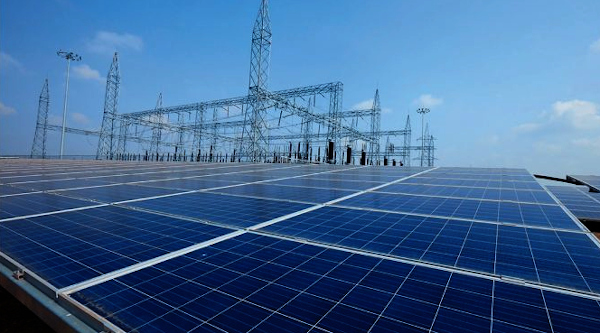
In a major crossing of a milestone, India’s Ministry of New and Renewable Energy (MNRE) has said that India has achieved its non-fossil fuel-based energy target, something that was to be completed by 2030
“At COP-21, as part of its NDCs, India had committed to achieving 40 per cent of its installed electricity capacity from non-fossil energy sources by 2030. The country has achieved this target in November 2021 itself,” MNRE said in a statement released last month
The Nationally Determined Contributions (NDCs) with total non-fossil based installed energy capacity was 157.32 gigawatts (GW). This is 40.1 per cent of the total installed energy capacity of 392.01 GW
In the last 7.5 years, India has shown a tremendous rate of growth and has added maximum capacity for renewable energy among large economies.
As per REN21 Renewables 2020 Global Status Report, there was a total investment of USD 64.4 billion in India’s renewable energy programmes and projects. USD 11.2 billion were invested in the year 2019 alone.
Government data shows that India’s non-conventional energy sector received USD 7.27 billion through foreign direct investment from the year 2014-15 up to June 2021. Out of this, FDI of USD 797.21 million trickled in during 2020-21.
Source: WION
You may also like
-
IMF Raises India’s GDP Growth Forecast to 7% for FY2026–27 as Domestic Demand and Services Strengthen
-
India Remains World’s Fastest-Growing Major Steel Market as Demand Set to Reach 186.2 Million Tonnes by 2027
-
Hyundai Motor Group Announces $15.5 Billion Investment in India by 2032
-
Vimag Labs Begins Magnet-Free Electric Motor Manufacturing in Haryana, Plans ₹50 Crore Investment to Expand Production
-
Indian Railways Records 6.14% Freight Growth in September 2026 as Coal, Food Grains and Industrial Cargo Drive Demand
