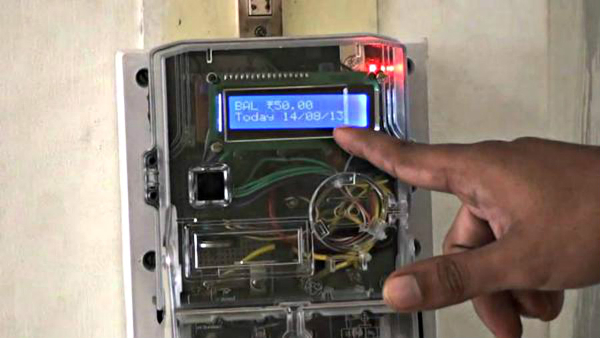
More than 21 lakh Indian households have recorded zero electricity bills after adopting rooftop solar power under the PM Surya Ghar: Muft Bijli Yojana, demonstrating the growing financial benefits of decentralised renewable energy generation. Union Minister for New and Renewable Energy Pralhad Joshi announced that approximately 65 lakh households are now covered by the rooftop solar initiative, with more than 21 lakh beneficiaries achieving zero electricity bills during at least one billing period.
The figures, highlighted by the Minister in an article published on November 2, reflect the expansion of India’s residential solar energy programme and its increasing contribution to reducing household electricity expenditure. By enabling consumers to generate electricity through rooftop photovoltaic systems, the scheme seeks to reduce dependence on electricity purchased from distribution companies while encouraging the adoption of clean energy technologies.
The development comes as India continues to expand renewable energy capacity and strengthen domestic participation in electricity generation. Rooftop solar installations are emerging as an important component of this transition because they enable electricity to be generated close to the point of consumption, allowing households to participate directly in the country’s renewable energy expansion.
PM Surya Ghar Expands Rooftop Solar Coverage Across India
Launched on February 13, 2024, the PM Surya Ghar: Muft Bijli Yojana was introduced with a total financial outlay of ₹75,021 crore to support rooftop solar installations for one crore residential households. The programme provides central financial assistance to eligible consumers, helping reduce the initial cost of installing solar photovoltaic systems on residential buildings.
The scheme is designed to enable participating households to meet a substantial portion of their electricity requirements through solar generation. It also aims to facilitate up to 300 units of free electricity per month for eligible households, depending on system capacity, electricity generation, consumption patterns and applicable billing arrangements.
According to the latest figures cited by Pralhad Joshi, approximately 65 lakh households have benefited from the rooftop solar initiative, with more than 21 lakh reporting zero electricity bills. The numbers indicate substantial growth compared with earlier stages of implementation, when the Ministry of New and Renewable Energy reported approximately 48 lakh beneficiary households in July 2026.
The expansion reflects increasing adoption of rooftop solar installations among residential consumers. Financial assistance, access to institutional loans and simplified application procedures have been introduced to make solar systems more accessible to households that might otherwise find the initial installation costs difficult to manage.
More Than 21 Lakh Households Achieve Zero Electricity Bills
One of the most significant outcomes highlighted by the Minister is the number of participating households that have recorded zero electricity bills. More than 21 lakh beneficiaries have achieved this result, demonstrating how rooftop solar installations can reduce electricity purchases from conventional distribution networks.
The financial benefits of rooftop solar depend on several factors, including the size of the installed system, local solar irradiation, daily electricity consumption, seasonal variations and the rules governing electricity billing. Households that generate sufficient electricity to offset their grid consumption may experience substantial reductions in their bills, with some recording zero payable amounts during particular billing cycles.
Earlier information supplied to Parliament by the Ministry of New and Renewable Energy clarified that zero-bill outcomes can occur during individual months or billing periods. Such results should therefore be understood as evidence of reduced electricity expenditure rather than a guarantee that every participating household will permanently receive free electricity.
The scheme also allows eligible consumers to export surplus solar electricity to the distribution network through applicable net-metering or other approved settlement arrangements. These mechanisms can help households derive additional value from electricity generated beyond their immediate consumption requirements, subject to state regulations and distribution company procedures.
For households facing recurring electricity expenses, rooftop solar offers the possibility of reducing long-term expenditure while providing greater participation in local electricity generation. The actual financial return depends on installation costs, available subsidies, electricity tariffs, maintenance requirements and the performance of the solar system over its operating life.
Government Subsidies Reduce Rooftop Solar Installation Costs
The PM Surya Ghar scheme includes central financial assistance intended to make residential solar installations more affordable. Under the standard subsidy structure, eligible households can receive ₹30,000 for a 1 kW rooftop solar system, ₹60,000 for a 2 kW system and up to ₹78,000 for systems with a capacity of 3 kW or more.
The subsidy structure provides higher support for the initial two kilowatts of installed capacity, recognising the importance of smaller rooftop solar systems for ordinary residential consumers. This arrangement is intended to reduce the financial barrier to adoption, particularly for households with moderate electricity requirements.
The government has also introduced financing mechanisms to support consumers who cannot meet the full installation cost through personal savings. Eligible households can access collateral-free loans from participating financial institutions under applicable lending conditions, making it possible to spread installation expenditure over a longer repayment period.
In addition to direct financial assistance, the scheme incorporates implementation models involving electricity distribution companies and other authorised agencies. These mechanisms are intended to simplify installation procedures, facilitate access to suitable vendors and support households that may face difficulties independently arranging rooftop solar systems.
The availability of subsidies and financing is particularly important because rooftop solar installations require an initial investment, even though electricity generated from the system can provide financial benefits over many years. Reducing this initial expense can improve affordability and encourage wider participation in residential renewable energy programmes.
Solar Electricity Costs Decline as India Expands Renewable Capacity
Pralhad Joshi also highlighted the substantial decline in the cost of solar electricity generation over the past decade. According to the Minister, solar electricity that cost approximately ₹8 per unit in 2014–15 is now available at tariffs as low as ₹2.15 per unit in certain projects.
The reduction reflects technological improvements, economies of scale, manufacturing developments and greater competition within the solar energy industry. Advances in photovoltaic modules, power conversion equipment and project development have contributed to making solar electricity increasingly competitive with conventional power generation.
However, tariffs achieved by large utility-scale solar projects are not directly comparable with the full cost of electricity generated by residential rooftop installations. Household systems involve different installation costs, financing arrangements, maintenance requirements and electricity settlement mechanisms.
The Minister stated that India’s installed solar power capacity has increased by approximately 6,000 per cent over the past twelve years. The expansion represents a substantial transformation of the country’s electricity generation infrastructure, with solar power developing from a relatively small component of the energy mix into one of its principal renewable energy technologies.
Residential rooftop solar programmes complement this expansion by distributing generation capacity across individual buildings rather than concentrating it exclusively in large solar parks. Such installations can reduce electricity drawn from the grid during daylight hours while creating opportunities for local employment in installation, maintenance and related services.
Rooftop Solar Strengthens Distributed Energy Generation
The growing adoption of residential solar systems is contributing to a broader shift in India’s electricity sector towards distributed generation. Unlike conventional power stations that supply electricity through extensive transmission networks, rooftop solar systems generate electricity at or near the location where it is consumed.
This arrangement can reduce dependence on centrally supplied electricity during periods of strong solar generation. It may also help lower certain distribution losses and reduce daytime demand on electricity networks, although the overall benefits depend on local grid conditions, electricity consumption patterns and the concentration of rooftop installations.
Distributed solar generation can also encourage households to become more actively involved in managing their electricity consumption. Consumers who understand the relationship between solar generation and daytime electricity use may adjust certain activities to make greater use of power produced by their own installations.
At the same time, the expansion of rooftop solar introduces new requirements for electricity distribution companies. Greater penetration of decentralised generation requires suitable metering arrangements, grid management systems and technical safeguards to maintain reliable electricity supply.
The integration of energy storage systems could eventually increase the value of residential solar installations by allowing electricity generated during daylight hours to be used after sunset. Although rooftop solar systems connected to the grid do not automatically provide backup power during outages, appropriately designed systems incorporating batteries and suitable equipment can offer additional energy management capabilities.
Domestic Solar Industry Gains from Expanding Household Demand
The increasing adoption of rooftop solar installations is also creating opportunities for India’s renewable energy manufacturing and services industries. Residential solar projects require photovoltaic modules, inverters, mounting structures, electrical components, metering equipment and installation services, generating demand across several segments of the domestic economy.
As installations expand, local businesses involved in system design, equipment supply, installation, inspection and maintenance can benefit from a larger customer base. The programme can also support the development of specialised technical skills among electricians, engineers, solar technicians and other workers participating in the renewable energy sector.
The emphasis on residential solar generation aligns with India’s broader efforts to strengthen domestic clean energy manufacturing capabilities. Demand from household installations can complement utility-scale solar development by supporting a more diversified market for photovoltaic equipment and associated technologies.
For the domestic industry, sustained growth will depend on equipment quality, reliable installation practices, transparent consumer services and effective long-term maintenance. These factors are important for ensuring that participating households receive the electricity generation and financial benefits expected from their investments.
India’s Renewable Energy Transition Gains Momentum
The latest PM Surya Ghar figures were highlighted alongside preparations for the Bharat Renewable Energy Summit and Expo 2026, being held at Bharat Mandapam in New Delhi from November 2 to 5. The event brings together representatives of governments, industry, financial institutions and research organisations to discuss renewable energy investments, technologies and international cooperation.
The summit also provides a platform for the ninth International Solar Alliance Assembly and the fourth International Conference on Green Hydrogen. These meetings are intended to support collaboration on solar energy, energy security, green hydrogen development and emerging technologies associated with the global clean energy transition.
Pralhad Joshi emphasised India’s progress in expanding non-fossil electricity generation capacity, noting that the country had reached the milestone of non-fossil sources accounting for at least 50 per cent of its cumulative installed electricity generation capacity ahead of its 2030 target.
This milestone relates to installed generation capacity rather than the actual proportion of electricity generated from non-fossil sources. The distinction is important because electricity generation depends on operating conditions, capacity utilisation and the availability of different energy sources.
The expansion of rooftop solar provides an additional dimension to India’s renewable energy strategy by bringing households directly into the electricity generation process. Rather than relying exclusively on large centralised renewable energy projects, the programme distributes clean energy infrastructure across residential communities.
Towards One Crore Solar-Powered Households
With approximately 65 lakh households now covered under PM Surya Ghar and more than 21 lakh recording zero electricity bills, the programme has made substantial progress towards its objective of benefiting one crore residential households.
The remaining expansion will require continued coordination among the Ministry of New and Renewable Energy, state governments, electricity distribution companies, financial institutions and authorised installation agencies. Ensuring timely subsidy delivery, equipment quality, consumer awareness and reliable after-sales services will remain important for maintaining confidence in the programme.
The financial benefits experienced by participating households also demonstrate the importance of linking renewable energy development with consumer affordability. For many families, the principal attraction of rooftop solar is the possibility of lowering recurring electricity expenditure while contributing to cleaner electricity generation.
India’s residential solar expansion is therefore relevant not only to renewable energy capacity targets but also to household finances, local employment and the development of decentralised electricity infrastructure. As implementation progresses, the programme’s long-term success will depend on the sustained performance of installed systems and their ability to deliver measurable savings to consumers.
The latest figures represent an important milestone in this transition. By enabling millions of households to generate electricity from their own rooftops, PM Surya Ghar is helping extend renewable energy participation beyond large infrastructure projects and into everyday residential electricity consumption.
You may also like
-
India Advances Geothermal Energy Development with First Wells in Ladakh and National Policy Framework
-
Sikkim’s Soreng Becomes India’s First Organic Fisheries Cluster as Centre Launches New Certification Framework
-
Kalonunia Rice of West Bengal: The Fragrant Black-Husked Heritage Grain of North Bengal with GI Recognition
-
India’s Affle Announces $420 Million Acquisition of Israeli AI Advertising Company Perion
-
CISF Introduces Specialised Security Commands to Protect India’s Critical PSU and Industrial Infrastructure
