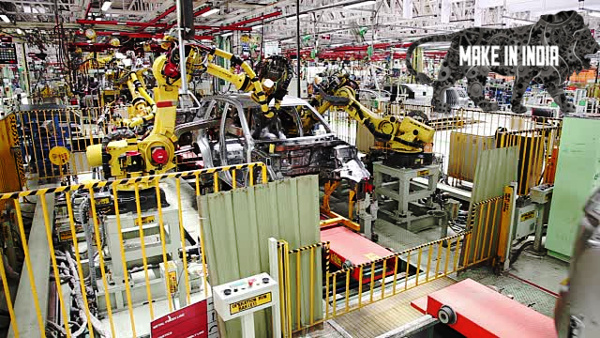
Mahindra & Mahindra is moving ahead with one of the largest manufacturing expansions in its history, with the company progressing towards possession of the first approximately 800 acres of land for its upcoming integrated automobile and tractor manufacturing complex at Additional Butibori in Nagpur, Maharashtra.
The latest development, announced on September 1, marks an important transition for the project from planning towards physical execution. Mahindra had announced the new manufacturing complex earlier in 2026 as the centrepiece of a broader ₹15,000-crore investment programme in Maharashtra over ten years. The Nagpur facility itself is planned across around 1,500 acres in Vidarbha and will become Mahindra’s largest integrated automotive and tractor manufacturing facility in India.
Capacity for More Than Six Lakh Vehicles and Tractors a Year
Once fully operational, Mahindra says the Nagpur complex will be capable of producing more than five lakh automobiles and one lakh tractors annually, giving it total annual capacity exceeding six lakh units.
The scale of the project is particularly significant because automobiles and farm equipment will be manufactured within the same broad industrial ecosystem. The automotive section is being designed to accommodate different propulsion technologies rather than being restricted to a single type of vehicle.
Mahindra has said the plant will manufacture vehicles powered by internal-combustion engines, electric powertrains and future propulsion technologies, giving the company flexibility as the Indian automobile market evolves over the coming decade.
New-Generation Mahindra Vehicles to Be Built at Nagpur
The Nagpur plant will support Mahindra Auto’s next generation of vehicle platforms, including its new NU_IQ architecture. The flexible architecture is being developed to underpin future Mahindra vehicles and accommodate different body styles and propulsion systems.
Production at Nagpur is currently scheduled to begin in 2028, meaning the manufacturing complex is being developed alongside Mahindra’s next major cycle of vehicle launches.
Rather than building a factory exclusively around today’s product portfolio, Mahindra is creating capacity for the vehicles it expects to manufacture during the next phase of its expansion. Advanced automation, digital manufacturing systems and flexible production processes are expected to be incorporated into the facility.
First 800 Acres at Additional Butibori
The first major physical step is now taking shape at Additional Butibori, an industrial area developed by the Maharashtra Industrial Development Corporation near Nagpur.
Mahindra is moving towards taking possession of an initial package of approximately 800 acres, representing more than half of the land eventually intended for the 1,500-acre facility.
Acquiring this first major parcel gives the company the land required to begin preparing the manufacturing ecosystem while subsequent stages of the larger development proceed.
The scale of the planned site gives Mahindra substantial room for automobile production lines, tractor manufacturing, logistics facilities, testing areas, utilities and future capacity expansion.
150-Acre Supplier Park at Sambhajinagar
The Nagpur plant will be supported by a separate 150-acre supplier park at Sambhajinagar, creating a wider automotive manufacturing network across Maharashtra.
The supplier park will not serve the new Nagpur complex alone. Mahindra says components manufactured there will also be supplied to its established production facilities at Chakan and Nashik, allowing the new supplier ecosystem to support several of the company’s manufacturing locations.
This arrangement could strengthen localisation by placing component manufacturers closer to Mahindra’s principal production hubs. A geographically connected supplier network can also reduce transportation requirements, shorten supply chains and provide manufacturers with access to larger combined production volumes.
Nagpur’s Location Offers a Major Logistics Advantage
Nagpur’s location in central India is one of the strategic advantages behind the project. Vidarbha has increasingly benefited from improved highway and rail connectivity, including access through the Mumbai-Nagpur Samruddhi Expressway.
For a plant eventually capable of producing more than six lakh automobiles and tractors every year, efficient movement of components into the factory and finished products towards dealerships, ports and export markets will be critical.
Mahindra has specifically highlighted Vidarbha’s road connectivity, rail links and access to domestic and overseas markets as advantages supporting its decision to establish the facility in the region.
The investment could also help broaden Maharashtra’s automobile manufacturing geography beyond the already established Pune-Chakan, Nashik and Sambhajinagar industrial belts by creating a major new automotive centre in eastern Maharashtra.
Major Tractor Manufacturing Base
Farm equipment will form an equally important component of the Nagpur complex. Mahindra plans annual manufacturing capacity of approximately one lakh tractors, strengthening a business in which the company already operates at global scale.
The tractor unit is intended to meet both growing Indian demand and requirements from international markets. Integrating automobile and tractor production within one large industrial complex could also create opportunities to share logistics infrastructure, manufacturing technologies, digital systems and workforce-development programmes.
The combination gives the Nagpur project an unusual character compared with conventional automobile factories, which are generally developed around passenger vehicles or commercial vehicles alone.
Dedicated Skilling Centre Planned in Nagpur
Mahindra is also beginning workforce preparation well before the planned start of manufacturing.
The company intends to establish a skilling centre in Nagpur to train personnel in areas including mechanical operations, welding and painting, while developing capabilities required for manufacturing vehicles and tractors using multiple powertrains and emerging technologies.
Mahindra also plans to draw on experienced workers from its existing manufacturing operations. Over the next two to three years, eligible associates will be able to participate in a selection process for positions at the new Nagpur facility.
The company says technical capability, demonstrated workplace behaviour, alignment with organisational values and the ability to work collaboratively will be among the factors considered during the selection process.
This early emphasis on workforce development reflects the increasing technological complexity of modern automobile manufacturing. Factories producing conventional vehicles, electric vehicles and future propulsion systems within the same facility require workers trained across considerably broader manufacturing disciplines.
Part of a ₹15,000-Crore Maharashtra Expansion
The Nagpur project forms the largest element of a broader manufacturing investment programme announced by Mahindra in February.
The group has committed ₹15,000 crore over ten years in Maharashtra and plans to acquire more than 2,000 acres across three locations. In addition to the 1,500-acre Nagpur facility and the Sambhajinagar supplier park, Mahindra plans to acquire land in the Igatpuri-Nashik region to expand existing product and engine manufacturing capabilities and support its Advanced Technology business.
The programme therefore represents more than the construction of a single factory. It amounts to a substantial expansion of Mahindra’s manufacturing network across Maharashtra, connecting new production capacity with existing automotive and engineering centres.
Building Capacity Ahead of Mahindra’s Next Growth Phase
Mahindra’s decision to create such a large greenfield facility comes as the company expands across conventional SUVs, electric vehicles, next-generation vehicle architectures and farm equipment.
Building a factory capable of handling several propulsion technologies gives Mahindra an important degree of flexibility. Demand for petrol, diesel, hybrid and battery-electric vehicles is likely to evolve at different rates across segments, making flexible manufacturing increasingly valuable.
Instead of committing the entire plant to one propulsion technology, Mahindra can progressively adjust its production mix according to market demand and the evolution of its future vehicle portfolio.
The Nagpur project could therefore become one of the most important new automotive manufacturing hubs to emerge in India during the remainder of this decade.
The latest move towards possession of the first 800 acres is significant precisely because it takes the project beyond an investment announcement. With production targeted for 2028, supplier infrastructure being developed, workforce preparation beginning and land acquisition advancing, Mahindra’s largest integrated manufacturing complex is now entering the early stages of execution.
You may also like
-
India Implements Over 40,000 Reforms in a Decade to Strengthen Ease of Doing Business
-
India’s Refining Powerhouse: How a Crude-Oil Importer Became a Bigger Fuel Exporter
-
Transformers & Rectifiers Enters India’s Nuclear Supply Chain with Kaiga 5 and 6 Transformer Order
-
Coal India Targets One Billion Tonnes of Coal and 9.5 GW Renewable Capacity by 2030
-
NALCO Posts Record ₹5,816-Crore Profit as Aluminium and Alumina Production Reach New Highs
