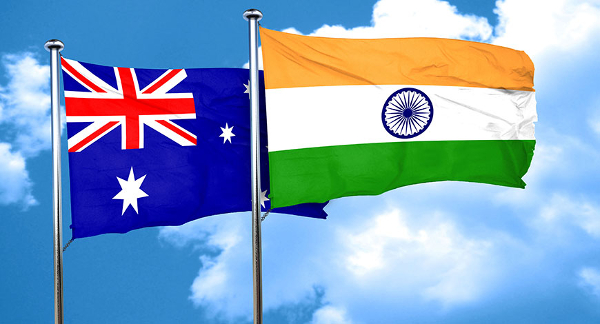
India and Australia have taken an important cultural-diplomacy step with Australia agreeing to return three Indian antiquities, while India moves forward with the repatriation of an Australian First Nations ancestor from the Government Museum in Chennai. The announcement was made during Prime Minister Narendra Modi’s visit to Australia, with Australian Prime Minister Anthony Albanese describing the gesture as part of the growing friendship between the two countries.
The three Indian antiquities being returned include a sacred Nandi idol from Tamil Nadu, a ceremonial trident associated with Goddess Bhadrakali, and a six-headed Karttikeya or Shanmukha idol. These objects are linked to South Indian temple traditions and carry deep religious, artistic and civilisational value.
The Nandi idol represents the sacred bull and vahana of Lord Shiva, traditionally placed facing the sanctum in Shaiva temples as a symbol of devotion, strength and dharma. The Bhadrakali trident reflects the Shaiva-Shakti tradition, symbolising divine protection and the destruction of evil. The six-headed Karttikeya idol represents Murugan or Shanmukha, associated with wisdom, valour and divine protection.
The decision also includes India’s voluntary and unconditional repatriation of an Australian First Nations ancestor to their traditional custodians. This gives the exchange a deeper moral meaning, as both countries are acknowledging the importance of returning cultural and ancestral heritage to its rightful communities.
This development is part of India’s larger effort to bring back its lost cultural heritage. In May 2026, the Ministry of Culture stated that India had successfully repatriated 666 antiquities from different countries since 2014 through diplomatic, legal and institutional efforts.
The India-Australia repatriation move shows that cultural cooperation is becoming an important pillar of the bilateral relationship. Beyond defence, trade, energy and education, both countries are also strengthening people-to-people ties through respect for heritage, ethical museum practices and civilisational memory.
For India, the return of Nandi, Bhadrakali’s trident and Karttikeya is another step in reclaiming sacred cultural heritage. For Australia, the return of the First Nations ancestor reflects respect for indigenous custodianship and ancestral dignity. Together, these gestures show how diplomacy can restore history, heal memory and deepen friendship between nations.
You may also like
-
India and Kazakhstan Agree to Deepen Cooperation in Defence, Energy, Critical Minerals and Emerging Technologies
-
India and Uganda Seek Deeper Technology, Investment and Capacity-Building Partnership at BRICS Summit
-
India and Philippines Agree to Deepen Defence, Trade, Space and Fintech Cooperation at BRICS Summit
-
India and Uruguay Agree Trade and Connectivity Roadmap as Montevideo Ratifies International Solar Alliance
-
Rare Stone Features Emerge as Kerala Archaeology Department Restores Megalithic Kudakkals at Karivellur
