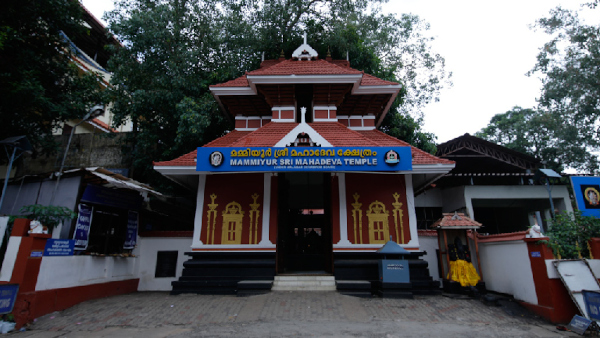
Mammiyur Mahadeva Temple, located at Guruvayur in Thrissur district, is one of the most revered Shiva temples in Kerala and an inseparable part of the Guruvayur pilgrimage tradition. Situated close to the famous Guruvayur Sree Krishna Temple, Mammiyur stands as a sacred reminder of the deep harmony between Shaiva and Vaishnava worship in Kerala’s spiritual landscape.
For generations, devotees visiting Guruvayur have also offered prayers at Mammiyur Mahadeva Temple. This tradition gives the temple a special place in the religious life of Kerala. While Guruvayur is celebrated as the abode of Lord Krishna, Mammiyur is cherished as the seat of Lord Shiva, who is worshipped here in the form of Uma Maheswara, along with Goddess Parvathy.
The Sacred Location
Mammiyur Mahadeva Temple lies in Guruvayur, one of Kerala’s most important pilgrimage towns. The temple is located within easy reach of Guruvayur Sree Krishna Temple, making it a natural part of the pilgrim circuit. The atmosphere around Mammiyur carries the devotional rhythm of Guruvayur, yet the temple retains its own quiet Shaiva identity.
The surroundings reflect the traditional Kerala temple environment, with tiled roofs, sacred courtyards, lamps, shrines and the calm movement of devotees. The temple’s proximity to Guruvayur gives it a unique spiritual position, where the devotee experiences both the grace of Lord Krishna and the blessings of Lord Shiva within the same sacred geography.
The Presiding Deity
The presiding deity of Mammiyur Temple is Lord Shiva in the form of Uma Maheswara. This form represents Lord Shiva together with Goddess Parvathy, symbolising divine unity, household harmony, compassion, strength and cosmic balance.
The presence of Goddess Parvathy gives the shrine a deeply graceful character. Devotees approach Mammiyur Mahadevan for peace, protection, family wellbeing, relief from difficulties, spiritual strength and inner clarity. The temple is also known for the important presence of Lord Vishnu, who is given a place of honour in a nearby sanctum. This makes Mammiyur a rare temple where Shiva and Vishnu are worshipped with deep reverence in the same sacred complex.
The Legend of Mammiyur
The legend of Mammiyur is closely connected with the origin story of Guruvayur itself. According to temple tradition, after the end of Dwapara Yuga and the submergence of Dwaraka, the sacred idol worshipped by Lord Krishna was brought to earth by Guru, the preceptor of the gods, and Vayu, the wind god.
They reached the banks of the holy Rudratheertham, a sacred water body associated with Lord Shiva’s penance. Lord Shiva recognised the divine purpose of their arrival and allowed the idol of Lord Krishna to be installed there. Shiva then moved to a nearby location with Goddess Parvathy.
The place where Guru and Vayu installed the idol became Guruvayur. The place chosen by Lord Shiva became Mammiyur. This legend gives Mammiyur a profound spiritual meaning. It presents Lord Shiva as the compassionate guardian who made way for the consecration of Lord Krishna, while continuing to bless the region from his own shrine.
The name Mammiyur is traditionally linked to the idea of “Mahima,” meaning divine greatness or sacred glory. In this sense, Mammiyur is remembered as the temple of Shiva’s grace, humility and greatness.
Harmony of Shiva and Vishnu Worship
One of the most beautiful features of Mammiyur Temple is the equal devotional importance given to Lord Shiva and Lord Vishnu. Kerala’s temple culture has long honoured the unity of different streams of Hindu worship, and Mammiyur expresses this spirit powerfully.
The devotee who comes after worshipping Guruvayurappan experiences Mammiyur as a natural continuation of the same pilgrimage. The Krishna temple and the Shiva temple are tied together through legend, ritual memory and living devotion. This makes the Guruvayur-Mammiyur pilgrimage one of the finest examples of spiritual unity in Kerala.
Upadevathas and Temple Shrines
Mammiyur Temple has several important upadevatha shrines that enrich its ritual life. The temple complex includes shrines connected with Sree Parvathy, Ganapathy, Subrahmanya, Ayyappa, Bhagavathy, Naga, Brahmarakshassu and other traditional Kerala temple deities.
These shrines make Mammiyur a complete sacred space where devotees can offer prayers for different aspects of life. Ganapathy is worshipped for auspicious beginnings and removal of obstacles. Subrahmanya is revered for courage and wisdom. Ayyappa connects the temple with the wider devotional tradition of Sabarimala. Bhagavathy represents divine motherly protection. Naga worship reflects Kerala’s ancient reverence for serpent deities and sacred groves.
Architecture and Temple Atmosphere
Mammiyur Mahadeva Temple follows the traditional architectural style of Kerala. The sloping tiled roof, wooden structures, inner courtyard, sanctum, lamp pillars and temple pond create a deeply rooted Kerala temple atmosphere. The design is simple, devotional and graceful, reflecting the spiritual aesthetics of the region.
The temple has the quiet dignity of an ancient Shaiva shrine. The sanctum carries a sense of stillness, while the daily rhythm of lamps, bells, mantras and offerings fills the temple with sacred energy. The ambience is especially powerful during morning worship and evening deeparadhana, when the glow of lamps transforms the temple into a space of deep devotion.
Rudratheertham
Rudratheertham is the sacred temple pond associated with Mammiyur. The name itself connects the water body with Lord Rudra, one of the forms of Shiva. In the temple legend, this sacred water body forms part of the divine geography linked with the arrival of Guru and Vayu and the consecration of Guruvayur.
Temple ponds in Kerala are more than water bodies. They are part of the sacred ecology of the shrine. They support ritual purity, temple memory and the traditional landscape around the deity. Rudratheertham adds to Mammiyur’s sanctity and strengthens its connection with the older Shaiva tradition of the region.
Daily Worship and Ritual Life
The ritual life of Mammiyur Temple follows the disciplined pattern of Kerala temple worship. The day begins early with the opening of the temple, Nirmalyam, abhishekam, Ganapathy Homam and other morning rituals. The worship of Lord Shiva and Lord Vishnu receives special importance in the daily schedule.
One of the notable rituals of the temple is Rigveda Dhara, performed for Lord Shiva and Lord Vishnu. This reflects the temple’s strong Vedic foundation and its commitment to preserving ancient ritual practices. The temple also conducts Ushapooja, noon worship, Deeparadhana, Uma Maheswara Pooja, Bhagavathy Seva, Dambathy Pooja and Athazha Pooja.
The presence of both Shaiva and Vaishnava worship in the daily routine gives Mammiyur a distinctive devotional rhythm. The temple’s rituals carry both austerity and grace, making it a powerful place for prayer and spiritual reflection.
Major Festivals
Maha Shivaratri is the most important festival of Mammiyur Mahadeva Temple. The festival is observed with special poojas, Laksharchana, Ekadasa Rudrabhisheka, Chuttuvilakku, Niramala and other Vedic rituals. The night of Shivaratri is especially significant for devotees of Lord Shiva, and Mammiyur becomes a centre of intense devotion during this period.
The Prathishta Day of Lord Vishnu is also celebrated with great reverence. This festival highlights the temple’s unique tradition of honouring both Shiva and Vishnu with equal devotion. Special rituals, processions and offerings mark the occasion.
Pradosham is another important observance at Mammiyur. Devotees worship Lord Shiva during the evening hours of Pradosham, seeking peace, protection and release from difficulties. The temple observes Pradosham with special poojas and devotional gatherings.
Navarathri is celebrated with devotion to Goddess Saraswathy and Bhagavathy. The temple’s Saraswathy Mandapam has cultural and spiritual importance, especially for Vidyarambham, the sacred initiation of children into learning. This connects Mammiyur with Kerala’s educational and artistic traditions.
Mandala Pooja links the temple with the Ayyappa pilgrimage season. Devotees travelling to Sabarimala often visit Guruvayur and Mammiyur, making the temple active during the Mandala period. Vinayaka Chathurthi, Ramayana Month, Shashti, Ayilya Pooja, Thiruvathira, Ashtami Rohini, Vishu and Nira Putheri are also observed with traditional rituals.
Cultural Importance
Mammiyur has long been associated with Kerala’s ritual arts, Vedic learning and temple culture. The temple’s festival traditions include devotional music, ritual recitations, Krishnanattam links, chenda melam, nadaswaram and cultural performances. These elements show how temples in Kerala served not only as places of worship, but also as centres of art, learning and community life.
The temple’s connection with Guruvayur also gives it a wider cultural importance. Pilgrims from Kerala, Tamil Nadu, Karnataka and other parts of India include Mammiyur in their devotional journey. The temple continues to preserve a spiritual memory that connects Lord Shiva, Lord Vishnu, Lord Krishna, Guru, Vayu and the sacred waters of Rudratheertham.
A Temple of Completion
Mammiyur Mahadeva Temple is often regarded as a temple of completion for those who visit Guruvayur. The pilgrim first receives the grace of Guruvayurappan and then comes to Mammiyur to bow before Lord Shiva, the compassionate deity who, according to legend, made way for the divine installation at Guruvayur.
This belief gives Mammiyur a deeply emotional place in the hearts of devotees. It is a reminder that true pilgrimage is not only about visiting a famous shrine, but also about understanding the sacred relationships that bind temples, legends and deities together.
Conclusion
Mammiyur Mahadeva Temple is one of the spiritual jewels of Guruvayur. It combines ancient legend, Shaiva devotion, Vaishnava harmony, Vedic ritual practice and Kerala temple architecture in a single sacred space. The temple’s association with Guruvayur makes it historically and spiritually significant, while its worship of Lord Shiva as Uma Maheswara gives it a deeply compassionate and protective presence.
For the devotee, Mammiyur is a place of balance. It brings together Shiva and Vishnu, austerity and grace, legend and living worship, silence and celebration. In the sacred landscape of Thrissur, Mammiyur Mahadeva Temple continues to shine as a shrine of divine harmony and timeless Kerala devotion.
You may also like
-
ASI’s Kashipur Archaeological Site Reveals Ancient Govisana, Gupta-Era Temples and Mahabharata Traditions
-
Parasika in the Mahabharata: Tracing the Persian Lands Through Modern Iran
-
Kapisa: The Ancient Kingdom North of Kabul at the Gateway of the Hindu Kush
-
Lampaka: The Mountain Kingdom of Laghman on the Kabul River Frontier
-
Navaratri and Ayurveda: The Nine Divine Medicinal Plants Associated with Navadurga
