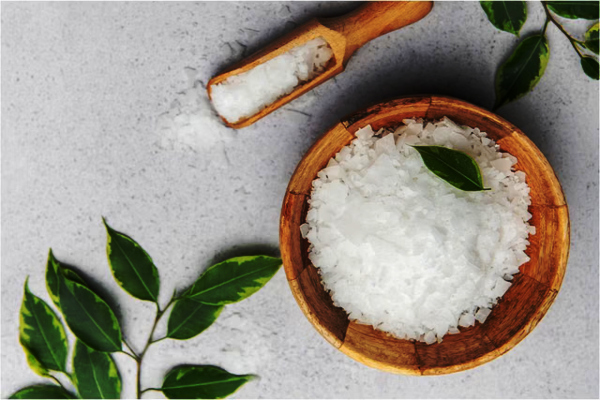
Camphor, known in Ayurveda as Karpura, is one of the most aromatic and instantly recognisable substances in the Indian healing tradition. Its fragrance is sharp, pure, penetrating and cooling. It has been used in medicine, worship, food preparations, oils, balms, fumigation, temple rituals, household remedies and classical Ayurvedic formulations. In India, Karpura is not merely a fragrant crystal. It is a substance that connects medicine, ritual purity, digestion, breath, sensory clarity and sacred atmosphere.
The Sanskrit name Karpura refers to camphor, traditionally obtained from the camphor tree, botanically known as Cinnamomum camphora. In Indian homes, it is often called Karpooram, Kapur, Karpuram or Pachai Karpooram, depending on language and region. Ayurveda values Karpura for its strong aroma, subtle action, cooling impression, lightness and ability to awaken the senses. It belongs to the group of substances where even a tiny quantity carries powerful influence.
Karpura has a unique place in Ayurveda because it acts through smell, taste, touch and subtle sensation. It is fragrant, volatile and fast-spreading. When applied externally, it creates a cooling sensation while also stimulating local circulation. When used in tiny food-grade quantities in classical preparations, it contributes aroma, freshness and a digestive awakening quality. When used in worship, it symbolises purification and the burning away of impurity. This explains why camphor entered both the pharmacy and the temple.
In Ayurvedic dravyaguna, Karpura is commonly understood through its rasa, guna, virya, vipaka and karma. Its taste is described mainly as tikta and katu, meaning bitter and pungent. Its qualities are light, penetrating, aromatic and subtle. Many traditional descriptions treat it as cooling in potency, while its strong fragrance gives it a sharp and awakening effect. This combination makes it unusual: it feels cooling, yet it can stimulate the senses and open blocked channels.
The doshic action of Karpura is especially linked with Kapha and Pitta. Its aroma and sharpness help clear heaviness, dullness, stickiness and congestion linked with Kapha. Its cooling impression is associated with soothing burning, heat and excess Pitta when used correctly. At the same time, its powerful and volatile nature demands restraint. Ayurveda always treats strong substances with respect. A little Karpura can refresh. Excess can disturb.
Karpura has long been used in external applications. Camphorated oils, balms and medicated preparations are applied for body pain, stiffness, heaviness, itching, cold sensation, local swelling and respiratory comfort. Its vapour-like quality makes it useful in preparations meant to open the chest and clear the head. In traditional practice, it appears in oils, lepas, anjanas, fumigation practices and aromatic formulations.
For the respiratory system, Karpura is valued for its capacity to clear the feeling of blockage. Its smell itself creates a sense of openness in the nose and chest. This is why camphor became a household aromatic in cold, cough, heaviness of head and chest congestion. In Ayurveda, this action is understood through Kapha-shamana and srotoshodhana, meaning reduction of excess Kapha and clearing of channels.
For the skin and muscles, Karpura is used externally in many traditional oils and balms. It gives a cooling sensation at first, followed by a sense of stimulation. This makes it useful in massage oils for stiffness, local pain, itching and discomfort. It is often combined with sesame oil, coconut oil, menthol-like aromatics, eucalyptus, ajwain, clove, wintergreen-type ingredients or classical herbal oils, depending on the purpose.
Karpura also has a role in oral and sensory preparations. Classical references describe its use in mouth, throat and eye-related contexts, usually in processed and carefully measured forms. The fragrance of Karpura improves freshness of the mouth and supports clarity of the senses. This does not mean crude camphor should be directly consumed or applied to delicate organs. It means that classical pharmacy knew how to process, combine and dose it.
In the food tradition, Karpura appears in very tiny quantity as edible camphor. This is an important distinction. Food-grade edible camphor, traditionally called Pachai Karpooram in South India, is used in minute amounts in certain sweets, temple prasada, drinks and special Ayurvedic food preparations. Ordinary puja camphor, synthetic camphor tablets, industrial camphor and moth-repellent camphor are not food ingredients. They should never be consumed.
The presence of Karpura in food shows the sophistication of Indian culinary medicine. A fragrant substance was added not merely for taste but also for its effect on appetite, aroma, freshness and subtle digestive stimulation. Ayurveda understands that digestion begins before food enters the stomach. Smell, colour, warmth, texture and taste awaken agni. Karpura works strongly at this sensory gateway.
Divya Takra, also described as Camphor Ginger Buttermilk. The preparation of Divya Takra, with the reference Ruchivadhu Gala Ratnamala, Shloka 100. This is a beautiful example of how classical Indian food texts used buttermilk, ginger and edible camphor as a refined digestive drink.
Divya Takra from Ruchivadhu Gala Ratnamala, Shloka 100: Divya Takra is a camphor-ginger buttermilk preparation. The classical method describes setting curd from well-boiled milk, preparing buttermilk from that curd, adding Ardraka or fresh ginger to the buttermilk, then adding Karpura or edible camphor and keeping the preparation in an earthen pot. It belongs to the category of Pana, or drinkable preparation. Its ingredients are Takra, Karpura and Ardraka. The preparation is traditionally understood as katu and amla in taste, ushna in digestive action due to ginger and buttermilk’s agni-supporting nature, and laghu or light for digestion. It is classically indicated for Aruchi, Agnimandhya and Arsha, meaning tastelessness, weak appetite and piles-related digestive disturbance. It is best used fresh within the same day.
This recipe combines three major Ayurvedic ideas. First, takra or buttermilk is one of Ayurveda’s most praised digestive drinks. It is light, channel-clearing, appetite-supporting and especially valued in grahani, arsha, mandagni and Kapha-related digestive heaviness when used correctly. Second, ginger or Ardraka is a classic deepana-pachana substance, meaning it supports digestive fire and helps the processing of food. Third, edible camphor adds a subtle aromatic intelligence that refreshes the senses and makes the drink more refined.
Divya Takra also shows the importance of the vessel. The instruction to keep the preparation in an earthen pot is meaningful. Earthen vessels naturally cool, settle and gently mature certain foods. In Indian culinary tradition, clay pots are valued for their grounding effect, mild porosity and cooling influence. A drink like Divya Takra becomes more than a mixture of ingredients. It becomes a carefully prepared digestive beverage shaped by milk, fermentation, churning, ginger, camphor and clay.
In Ayurveda, takra itself deserves special respect. It is not ordinary diluted curd. Proper takra is made by churning curd and separating butter to the required degree, then adjusting its consistency. Classical Ayurveda describes many types of takra according to water content, fat content and use. Spiced takra is especially valued because it is lighter than curd and more suitable for digestion when prepared correctly. Curd can be heavy, but takra can become medicine.
Karpura’s role in Divya Takra should be understood carefully. It is not added in large quantity. It is used as an aromatic trace, almost like a fragrant medicinal spark. The drink is not meant to taste strongly of camphor. It should carry a gentle cooling fragrance that complements the warmth of ginger. This balance is the beauty of the recipe. Ginger awakens agni. Buttermilk supports digestion. Edible camphor refreshes the senses.
In daily Ayurvedic thinking, Karpura can be understood as a sensory purifier. Its aroma cuts through dullness. Its cooling quality soothes heat. Its subtle spread clears heaviness. Its external use comforts stiffness and blocked feeling. Its ritual use purifies space. Its food use, in tiny edible form, elevates selected preparations into fragrant digestive foods.
Karpura is also associated with the mind and atmosphere. The smell of camphor is used in temples because it creates a sense of clarity, alertness and purity. In Ayurveda, the mind and senses are part of health. A clean smell can change the inner mood. A fresh environment can support prana. A sacred fragrance can make the body and mind feel lighter. This is why Karpura became a part of aarti, prayer, home cleansing and ceremonial offerings.
In external use, Karpura is often combined with oils. Camphorated coconut oil is used traditionally for cooling massage and scalp comfort. Camphorated sesame oil may be used in body applications where warmth, circulation and Kapha clearing are desired. In modern balms, camphor is often combined with menthol and other aromatics for chest rubs or pain-relief applications. Ayurveda would view these combinations through the lens of guna, virya and srotas.
Karpura also appears in classical and traditional formulations under names such as Karpura Rasa, Karpuradi preparations, aromatic churnas, lepas, oils and fumigation mixtures. These should be used only with trained guidance because internal camphor has a narrow margin of safety. The same substance that heals in a tiny measured quantity can harm when used casually.
Safety is extremely important. Food-grade edible camphor and ordinary camphor are not the same for household use. Edible camphor must be pure, food-grade and used in a tiny pinch. Puja camphor tablets, synthetic camphor blocks, camphor balls and industrial products may contain additives and are unsuitable for food. They should never be added to drinks, sweets or medicines.
Children, pregnant women, lactating mothers, people with seizure history, people with serious liver disorders and sensitive individuals should avoid internal camphor unless an Ayurvedic physician specifically advises it in a properly prepared formulation. Camphor should not be swallowed in crude form. It should not be given casually as a home remedy. It should not be applied near the nostrils of infants. It should be kept away from children.
The safe modern way to respect Karpura is to understand its strength. It may be used externally in appropriate products. It may be used ritually as a fragrant purifier. It may be used in food only when it is clearly food-grade edible camphor and only in a very tiny quantity. It may be used medicinally only under professional guidance.
For a simple modern interpretation of Divya Takra, one may prepare fresh buttermilk from well-set curd, add a small amount of freshly crushed ginger and a tiny trace of food-grade edible camphor, then rest it briefly in an earthen or clay vessel before serving. The camphor should be almost invisible in taste and only gently perceptible in aroma. This preparation should be fresh, light and digestive. It should be avoided when there is strong acidity, burning sensation, milk intolerance or sensitivity to fermented foods.
The deeper lesson of Karpura in Ayurveda is that medicine can work through fragrance, subtlety and measure. Ayurveda never looks at substances mechanically. It asks how a substance tastes, smells, moves, heats, cools, clears, nourishes, dries, moistens, opens or settles. Karpura teaches this beautifully. Its power is not in quantity. Its power is in precision.
Camphor is therefore one of Ayurveda’s finest examples of controlled potency. In worship, it burns completely and leaves no residue. In medicine, it must be used with the same purity of approach. A small amount can support clarity, fragrance and lightness. Careless use can create harm. This is the discipline of dravyaguna.
Karpura remains relevant today because modern life is full of congestion, dullness, artificial smells, heavy foods and poor digestion. Ayurveda offers a refined way of using aromatic substances to support the senses, breath, skin and digestive intelligence. Divya Takra from Ruchivadhu Gala Ratnamala shows that even a humble drink like buttermilk can become a classical health preparation when guided by ancient food science.
In the larger Ayurvedic view, Karpura is not simply camphor. It is a fragrant medicinal jewel. It belongs to the world of aroma, agni, purification, clarity and subtle healing. Used with knowledge, it refreshes. Used with discipline, it supports. Used with reverence, it reminds us that India’s healing traditions understood even fragrance as medicine.
Reference
- Ruchivadhu Gala Ratnamala — Shloka 100 — Divya Takra, also described as Camphor Ginger Buttermilk.
- FSSAI Ayurveda Aahara Compendium — Divya Takra listed as a Pana preparation with Takra, Karpura and Ardraka.
- Classical Ayurvedic dravyaguna references on Karpura / Camphor / Cinnamomum camphora.
- Bhojana Kutuhala and later Ayurvedic food traditions on aromatic digestive preparations.
- Ayurvedic takra tradition from classical texts and nighantus.
- Safety note: only food-grade edible camphor should be used in food; ordinary puja camphor and synthetic camphor are unsuitable for consumption.
- Modern toxicology literature on camphor ingestion and seizure risk.
You may also like
-
Ayurveda on Fresh Food Versus Reheated Food: Why Freshly Prepared Meals Are Preferred for Healthy Digestion
-
Ayurveda on Cold Foods and Iced Drinks: Why Food Temperature Matters for Digestion
-
Serum Institute of India-Manufactured Ebola Vaccine Enters Clinical Trial in Uganda
-
Ayurveda and Hydration: How Much Water Should We Really Drink?
-
Warm Water in Ayurveda: When and Why It Is Recommended
