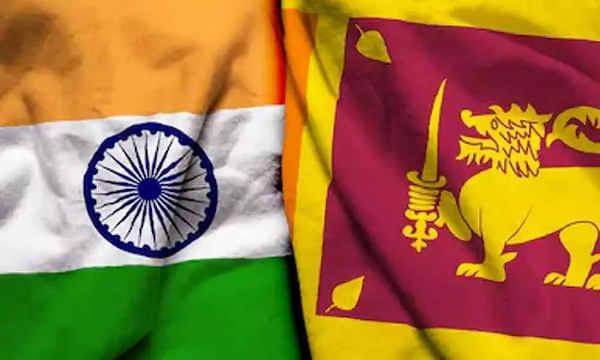
Sri Lanka has made travel easier for Indian tourists by placing India among 40 countries eligible for free tourist Electronic Travel Authorization from 25 May 2026. The move gives eligible visitors a 30-day tourist ETA free of charge, with a double-entry facility permitted from the date of first arrival within the 30-day validity period. Travellers who want to stay beyond 30 days can apply for an extension by paying the applicable visa fee.
The decision is significant for Indian travellers because Sri Lanka is one of the most accessible international destinations from India. Short flight times, cultural familiarity, Buddhist and Ramayana-linked heritage circuits, beaches, wildlife, Ayurveda, hill-country landscapes, casinos, weddings, MICE tourism and weekend luxury travel all make the island a natural overseas getaway for Indian families, young travellers and business groups.
The most important practical point is that this is a free ETA scheme, not a complete removal of entry formalities. Sri Lanka’s Department of Immigration and Emigration has stated that all foreign nationals covered under the scheme, including Indians, must obtain an Electronic Travel Authorization before arrival. The ETA fee will be processed free of charge for the listed nationalities, but travellers still need to complete the online authorization process before travelling.
This distinction matters. Many travellers casually use the phrase “visa-free” or “free on-arrival visa,” but the official requirement is more precise: Indians can obtain a tourist ETA without paying the ETA fee, provided they apply through the required channel before arrival. This makes the journey cheaper and simpler, while still allowing Sri Lanka to maintain an organised entry system.
The 40-country list includes major tourism markets such as India, China, Japan, Australia, Canada, France, Germany, Italy, South Korea, Thailand, the United Arab Emirates, the United Kingdom and the United States. Nationals of these countries holding diplomatic, official, service or ordinary passports are eligible under the free tourist ETA scheme.
For Sri Lanka, this is a direct tourism-growth move. The country has been rebuilding its tourism economy after the shocks of the pandemic, financial crisis and earlier political instability. Tourism remains one of Sri Lanka’s most important foreign-exchange earners, and easier visa access can help the island compete with other Asian destinations that have relaxed entry rules to attract international travellers. Reuters reported earlier that Sri Lanka had approved free tourist visas as part of efforts to boost tourism and support economic recovery.
India is central to this strategy. Sri Lanka Tourism Development Authority data for January 2026 showed India as the top source market, contributing 52,061 tourist arrivals, or 18.8% of total arrivals that month. The United Kingdom, Russia, Germany, China, France and Australia followed among the leading source markets.
The Indian market is valuable because it is both large and repeat-friendly. Many Indians visit Sri Lanka for short holidays, religious circuits, destination weddings, corporate retreats, cricket travel, wellness stays and luxury beach vacations. The country’s appeal cuts across budgets: backpackers, honeymooners, families, premium travellers and business groups can all find suitable travel products within a short distance from Indian airports.
The free ETA scheme also strengthens regional connectivity. Indian cities already have strong air links with Colombo, and newer direct services from cities such as Ahmedabad have been promoted to tap growing demand from western India. Better visa access can support more direct routes, higher seat occupancy, hotel bookings, tour operations and local spending across Sri Lanka’s tourism economy.
For travellers, the benefit is simple: lower entry cost and reduced friction. A family planning a short Sri Lanka trip can now save on ETA charges, while tour operators can market the destination more aggressively as a nearby, easier international option. For Sri Lanka, each Indian visitor supports hotels, transport operators, guides, restaurants, heritage sites, shopping districts and local communities.
The move could also help Sri Lanka attract more spontaneous travel from India. A 30-day free tourist ETA makes the island more attractive for long weekends, school holidays and last-minute breaks. This is especially useful because Indian outbound travel is growing beyond traditional hubs such as Dubai, Singapore, Thailand and Malaysia.
Sri Lanka’s tourism proposition is naturally strong. A traveller can land in Colombo, visit Kandy’s Temple of the Sacred Tooth Relic, explore tea estates in Nuwara Eliya, go whale watching near Mirissa, enjoy beaches in Bentota or Unawatuna, visit Sigiriya, explore Galle Fort, or follow Ramayana-linked sites such as Seetha Amman Temple and Ashok Vatika-associated locations. The country offers compact geography with high variety, which is ideal for Indian tourists with limited vacation time.
The free ETA facility also creates an opportunity for deeper India-Sri Lanka people-to-people ties. Tourism is not only an economic activity; it builds familiarity between societies. More Indians visiting Sri Lanka means more cultural exchange, more business contact, stronger airline connectivity and greater awareness of shared history across the Indian Ocean.
For Sri Lanka, the challenge now will be execution. A free ETA scheme must be supported by smooth online processing, clear communication, airport efficiency, reliable tourism services and strong destination marketing in India. Travellers should also check current ETA rules before departure, because immigration policies can change and airlines may require proof of valid travel authorization before boarding.
Overall, Sri Lanka’s decision to offer free tourist ETA access to Indians is a smart and timely tourism move. It lowers the cost of entry, supports a key source market, strengthens regional travel and gives Indian tourists another reason to choose the island for quick, culturally rich and scenic holidays. For both countries, this is more than a travel convenience — it is another step in turning geographic closeness into everyday people-to-people connectivity.
You may also like
-
Armenia Conducts Live-Fire Exercise With Indo-French TRAJAN 155 mm Howitzers Manufactured in India
-
ASEAN Diplomats Visit BrahMos Facility as India Showcases Defence Engineering Capabilities
-
India and UAE Agree to Expand Army Cooperation and Desert Cyclone Participation
-
India and Myanmar Prepare for Third Annual Defence Dialogue in Guwahati
-
India and South Korea Deepen Defence Industry and Logistics Cooperation at 10th Joint Committee Meeting
