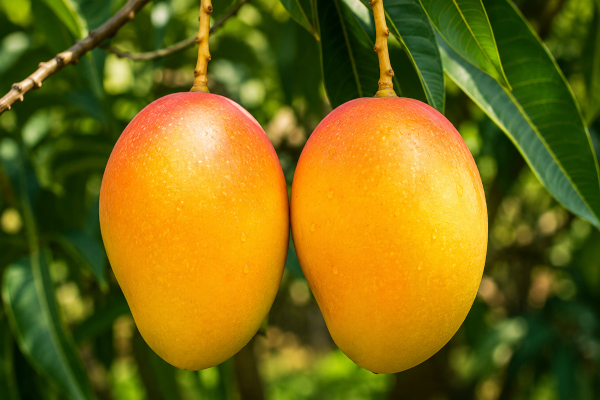
The arrival of Indian mangoes in Seattle is more than a seasonal food story. It is a small but meaningful symbol of how trade, culture and diplomacy often meet through familiar everyday things. For the Indian community in the Pacific Northwest, the arrival of varieties such as Kesar, Alphonso, Dasheri, Chausa and Langra brings the taste of an Indian summer into American grocery aisles. For India-US relations, it reflects years of regulatory work, agricultural cooperation, retailer outreach and diaspora-driven demand.
Consul General of India in Seattle Prakash Gupta described the arrival of Indian mangoes in the city as the result of sustained effort and cooperation between India and the United States, calling it part of what is often described as “mango diplomacy”. Speaking during an American television feature segment, he said promotional work had been carried out with local groceries, delivery services and major retailers, helping prepare the ground for Indian mangoes to become available in the Seattle area.
The emotional appeal of the mango is central to this story. For Indians, mangoes are not merely fruit; they are tied to summer holidays, family gatherings, childhood memories, village orchards, market visits, pickles, desserts and the first signs of the hot season. Gupta noted that Indian mangoes hold a special cultural place because they are closely associated with family bonding and the arrival of summer.
The Seattle push is especially important because the Pacific Northwest has a strong Indian-origin community and a growing interest in Indian food, festivals and culture. Indian mangoes reaching mainstream shelves in the region means the fruit is moving beyond nostalgic diaspora consumption into a wider American market. DD India reported that Kesar mangoes have reached grocery stores and major retail outlets in the Seattle region ahead of the summer season, turning the arrival into a cultural and trade moment.
This did not happen overnight. Indian mangoes received market access to the continental United States in March 2007, but under strict pest-risk mitigation conditions. The US Department of Agriculture’s Animal and Plant Health Inspection Service states that Indian mango imports were permitted subject to measures including irradiation at 400 Gy under a mandatory preclearance programme supervised by APHIS inspectors in India.
That technical detail explains why mango diplomacy is more complicated than simply shipping fruit across the ocean. Fresh mango exports require phytosanitary approval, treatment, certification, cold-chain management, air freight coordination, retailer acceptance and consumer awareness. A single box of Indian mangoes on an American shelf represents an entire chain of farmers, exporters, regulators, logistics handlers, diplomats, grocery networks and local community promoters.
The Consulate General of India in Seattle has also planned a special “King of Fruits” Indian mango promotion event on June 5, 2026, to showcase the diversity of Indian mango varieties and promote Indian agricultural exports in the Pacific Northwest region. That gives the campaign a structured trade-promotion angle, not merely a symbolic cultural one.
For Indian farmers and exporters, this matters because the US is a premium market. Indian mangoes are highly seasonal, and their value lies in taste, aroma, variety and cultural branding. Alphonso carries the prestige of Maharashtra’s Konkan belt, Kesar is strongly associated with Gujarat, while varieties like Langra, Chausa and Dasheri evoke North India’s mango traditions. Each variety has its own flavour, texture and loyal following, giving India a natural advantage in premium fruit branding.
The arrival of Indian mangoes in Seattle also fits into a larger story of food diplomacy. Countries often use cuisine, agricultural products and heritage foods to deepen soft-power ties. Japan has sushi, France has wine and cheese, Italy has olive oil and pasta, and India has spices, tea, millets, mangoes and regional cuisines. Mangoes are particularly powerful because they carry both mass appeal and emotional nostalgia.
For the Indian diaspora, this is a cultural bridge. For American consumers, it is an introduction to the depth of India’s agricultural diversity. For policymakers and exporters, it is a reminder that trade diplomacy does not always need to begin with giant deals. Sometimes it begins with a fruit that carries memory, flavour and identity across continents.
The Seattle story shows how India’s agricultural exports can grow when diplomacy, compliance and cultural promotion work together. Indian mangoes reaching American shelves is not just a sweet summer headline. It is a sign that India’s food heritage, when supported by proper trade channels and local outreach, can become part of global consumer markets while still carrying the warmth of home.
You may also like
-
India Post Creates History-Records ₹8,213 Crore Revenue in First Half of FY 2026–27, Parcel Business Grows 71%
-
Jeeraphool Rice of Chhattisgarh: The Fragrant Heritage Grain of Surguja with GI Recognition
-
HPCL Commissions India’s First Indigenous Blue Hydrogen Unit at Visakhapatnam Refinery
-
Bihar’s GI-Tagged Mithila Makhana Expands Global Reach as India Exports 7,265 Tonnes in FY26
-
NHPC Announces Commercial Operation of Fifth 250 MW Unit at Subansiri Lower Hydroelectric Project
