Indian Railways ended FY 2025-26 with broad-based gains across freight movement, passenger services, manufacturing, safety systems and network expansion, underscoring its central role in India’s economic activity and national connectivity. The Ministry of Railways highlighted the year as one of strong operational growth backed by advances in self-reliance, digital transformation and infrastructure creation.
Freight performance emerged as one of the year’s biggest highlights, with Indian Railways recording 1,670 million tonnes of loading. The result reflects the system’s expanding ability to move critical commodities such as coal, cement, fertilisers and food grains at scale, reinforcing supply chains that support industry, agriculture and power generation across the country. Daily rail operations also remained extensive, with around 25,000 trains running every day, while additional special services during peak travel periods helped improve passenger convenience.
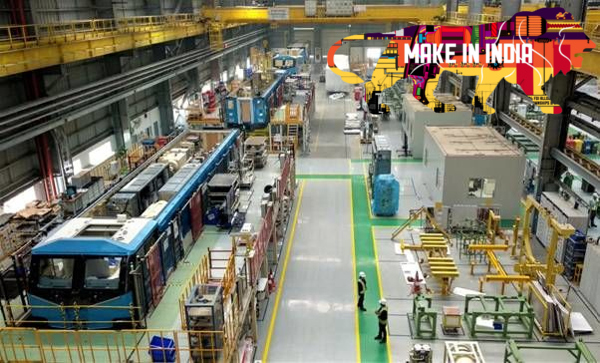
The year also saw a strong push toward domestic manufacturing under the Make in India and Atmanirbhar Bharat framework. Indian Railways produced 1,674 locomotives during the year and manufactured 6,677 LHB coaches, adding momentum to the modernisation of rolling stock. Passenger-facing improvements gathered pace through the continued expansion of Vande Bharat and Amrit Bharat services, along with the rollout of Vande Bharat Sleeper trains, which mark a major step in upgrading long-distance rail travel with faster and more modern service standards.
Safety and digital systems advanced in parallel. The indigenous Kavach Automatic Train Protection System has now been commissioned over more than 3,100 route kilometres, with implementation underway on another 24,400 kilometres, giving Indian Railways a stronger technological base for collision prevention and safer train operations. On the digital side, the RailOne App, launched in July 2025, brought ticket booking, train enquiries and grievance redressal onto a single platform. At the same time, continued monitoring and ticketing reforms led to the removal of over 3.04 crore suspicious user accounts, supporting fairer access for genuine passengers.
Infrastructure creation remained another major pillar of the year’s progress. Indian Railways commissioned 35 Gati Shakti Cargo Terminals, strengthening logistics efficiency and multimodal integration, while 119 stations were redeveloped under the Amrit Bharat Station Scheme to improve passenger amenities and station environments. Strategic connectivity also expanded in key regions: the Bairabi-Sairang rail line extended rail connectivity to Aizawl in the Northeast, and major bridge projects strengthened all-weather rail links to Jammu and Kashmir. Taken together, these achievements reflect a railway network moving with greater scale, stronger technology and deeper regional reach.
Reference: PIB
You may also like
-
India Introduces New CBG Pricing Framework to Strengthen Bioenergy Producers While Shielding Gas Consumers
-
Tata Power Renewables Commissions 72.5 MW Solar Project in Rajasthan to Support Tata Steel’s Decarbonisation
-
NTPC Targets 244 GW by 2037 With ₹16.86-Lakh-Crore Expansion Across India’s Energy Sector
-
UPI Completes a Decade as Transaction Value Surges More Than 4,000-Fold
-
AGNIT Semiconductors: Building India’s Gallium-Nitride Chip Capability for Radar, Communications and Power Electronics
