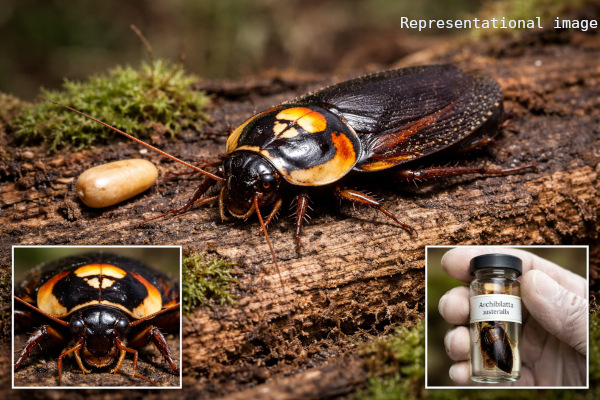
In a significant scientific breakthrough, researchers in India have identified a new species of cockroach, highlighting the country’s rich and often overlooked biodiversity.
The newly discovered species, named Neoloboptera peninsularis, was found in agricultural fields in Maharashtra’s Pune district. What makes this discovery particularly notable is the use of modern scientific methods—scientists combined traditional physical examination with advanced DNA-based analysis to confirm that the insect is indeed a previously unknown species.
A First in Over Two Centuries
This marks a major milestone in Indian entomology. According to researchers, this is the first time in more than 250 years that a cockroach species in India has been identified using such an integrated taxonomic approach.
Unlike earlier methods that relied mainly on visible physical traits, this study incorporated DNA barcoding and phylogenetic analysis along with detailed morphological and anatomical examination. This combination allows scientists to distinguish species with far greater accuracy.
Why This Discovery Matters
Cockroaches are often seen as pests, but scientists emphasize that they are part of a much larger and ecologically important group of insects. Many species live in natural environments and play key roles in ecosystems, such as decomposing organic matter.
Discoveries like this help researchers better understand biodiversity and track environmental changes. They also highlight how much remains unknown, even about familiar groups of organisms.
Expanding India’s Biodiversity Records
The finding adds to India’s growing list of documented species and underscores the importance of continued scientific exploration. Experts say that combining classical taxonomy with modern genetic tools could lead to many more such discoveries in the future.
Reference:
You may also like
-
IIT Guwahati Develops Affordable Technology to Remove Arsenic and Fluoride From Drinking Water
-
BITS Pilani Goa Develops Pharmaceutical Bioink for 3D-Printed Skin Scaffolds and Customised Medicines
-
New Smart Technology can Make Diagnosis of Alzheimer’s disease (AD) More Accessible
-
Study Identifies Uniqueness of South Asian Gut Microbiome, Critical for Lifestyle Disease Treatment
-
GENESIS EIR 3.0 Offers Up to ₹10 Lakh to Turn Young Indian Innovators Into DeepTech Entrepreneurs
