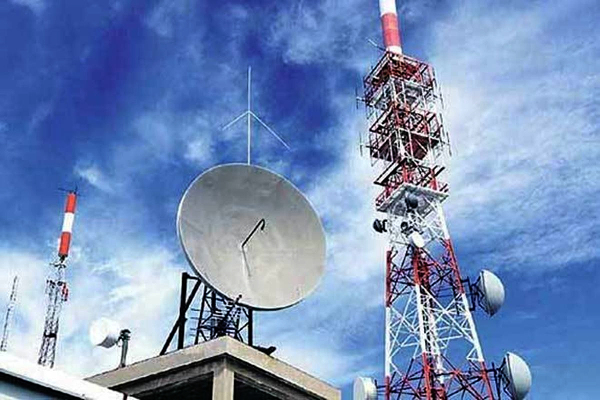
The Government of India has rolled out a revised Technology Development and Investment Promotion, or TDIP, Scheme with an outlay of ₹203 crore for the 2026–31 period, aiming to strengthen India’s presence in global telecom standard-setting and accelerate indigenous innovation in next-generation communications technologies. The initiative was highlighted by Union Communications Minister Jyotiraditya M. Scindia as part of India’s larger push to move from being a technology participant to becoming a global standard-setter.
The scheme is designed to support Indian participation in key international telecom forums such as the International Telecommunication Union, 3GPP and oneM2M, giving domestic stakeholders financial assistance for attending global meetings, submitting technical contributions, taking up leadership roles in study groups and hosting international standardisation events in India.
Under the revised framework, the government has widened eligibility to include startups, MSMEs, academia, research institutions and telecom service providers, signalling a broader attempt to build a collaborative innovation pipeline across the telecom ecosystem. The updated guidelines also provide support for pilot projects, proof-of-concept work and technology demonstrations, which could help bridge the gap between research and market deployment.
A major focus of the scheme is on emerging technologies such as 5G Advanced and 6G, areas where standards, patents and early technical contributions can shape long-term strategic and commercial advantage. By backing Indian entities in these global processes, the government is seeking to improve intellectual property creation, strengthen export potential and sharpen India’s competitiveness in the next phase of telecom innovation.
The TDIP rollout fits into India’s broader telecom ambition of building more indigenous capability in both network technologies and digital infrastructure. With support now extending beyond large incumbents to startups and research institutions, the revised scheme could give India a stronger voice in the rules, architectures and standards that will define future wireless systems.
You may also like
-
PM Dhan-Dhaanya Krishi Yojana Completes One Year: Gaya, Nagaur and Umaria Emerge as Best-Performing Districts
-
Political Protests in India: Economic Losses, Export Disruptions and the Impact on Investor Confidence
-
Jeeraphool Rice of Chhattisgarh — Surguja’s Fragrant Cumin-Shaped Heritage Grain
-
India’s E-Commerce Platforms Record ₹24,000 Crore Festive Sales in Two Days as Meesho Reports 75% Surge in Orders
-
India’s Economic Warfare Challenge: Strategic Autonomy, Energy Security and the Rise of a Global Power
