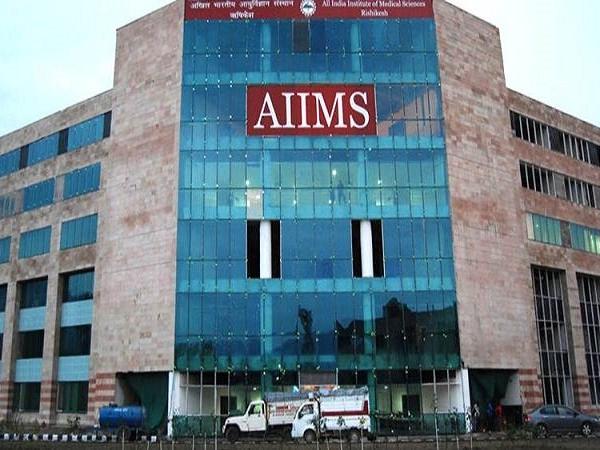
AIIMS New Delhi has achieved a major medical milestone by successfully performing a Simultaneous Pancreas-Kidney transplant, a complex life-saving procedure carried out at the institute after a gap of 18 years. The surgery was performed on a 30-year-old patient suffering from end-stage renal disease caused by long-standing Type 1 diabetes mellitus, a condition in which the body cannot produce enough insulin and, over time, severe diabetic complications can damage the kidneys.
What makes this case important is the dual nature of the transplant. A kidney transplant alone can free a patient from dialysis, but in a patient with Type 1 diabetes, the underlying insulin problem remains. A pancreas transplant, when performed along with the kidney transplant, can restore insulin-producing capacity and help the patient achieve insulin independence. That is why Simultaneous Pancreas-Kidney transplantation, or SPK, is considered a highly specialised treatment option for carefully selected patients who suffer from both Type 1 diabetes and kidney failure.
The procedure reportedly involved transplantation of both organs from a deceased donor. This makes the achievement not only a surgical milestone but also a powerful reminder of the importance of organ donation in India. In transplant medicine, the availability of organs is often the difference between prolonged suffering and a second chance at life. India has steadily expanded its transplant capabilities, but deceased donor availability remains a major challenge, especially for complex multi-organ procedures such as pancreas-kidney transplantation.
For the patient, the transplant could be life-changing. End-stage renal disease usually forces patients into dialysis or makes them dependent on a kidney transplant. When kidney failure is linked to Type 1 diabetes, the patient also has to live with constant blood-sugar management, insulin therapy and the risk of further diabetic complications. In a successful SPK transplant, the kidney restores filtration function while the pancreas helps restore natural insulin production. This combination can improve survival, quality of life and long-term metabolic stability in eligible patients.
The medical complexity of such a transplant is high. The surgical team has to implant two organs, maintain blood supply, prevent clotting, manage rejection risk and ensure long-term immunosuppression. Pancreas transplantation is particularly demanding because the organ is delicate and complications such as bleeding, infection, thrombosis and rejection require close monitoring. This is why SPK transplantation is usually concentrated in advanced transplant centres with multidisciplinary expertise in surgery, nephrology, endocrinology, anaesthesia, intensive care, transplant immunology and post-operative care.
AIIMS Delhi’s success is therefore significant for India’s public healthcare system. Such procedures are often associated with elite private hospitals or a small number of high-volume transplant centres. When a premier public institution successfully performs a complex transplant after a long gap, it strengthens the case for expanding advanced medical capabilities within government hospitals. It also shows how public-sector institutions can play a decisive role in making high-end treatment accessible beyond the private healthcare ecosystem.
The achievement comes at a time when AIIMS and other public hospitals are increasingly being seen not only as treatment centres but also as national platforms for advanced clinical innovation. AIIMS Delhi has already been expanding its transplant and robotic-surgery capabilities, and this pancreas-kidney transplant adds another important layer to that progress. Earlier reports had noted AIIMS Delhi’s work in advanced kidney transplantation, including robot-assisted procedures, showing a broader push toward precision surgery and complex organ transplantation in the public sector.
The case also underlines a larger public-health issue: India’s diabetes burden. Type 1 diabetes is different from the far more common Type 2 diabetes, but patients with long-standing Type 1 diabetes can face severe complications if insulin management becomes difficult or if the disease progresses over many years. Kidney failure is among the most serious complications. For such patients, SPK transplantation can offer something that routine treatment cannot easily provide — freedom from dialysis and potentially freedom from lifelong external insulin dependence.
But the promise of such medicine depends heavily on organ donation. A deceased donor made this surgery possible. Every successful transplant story therefore carries a second story within it — the courage of a donor family, the coordination of transplant networks, and the ability of hospitals to retrieve, preserve and transplant organs within tight medical time windows. India’s National Organ and Tissue Transplant Organisation has repeatedly highlighted the need to strengthen deceased organ donation and bridge the wide gap between demand and availability.
AIIMS Delhi’s pancreas-kidney transplant is not just a hospital achievement. It is a signal of what Indian medicine can do when surgical skill, donor generosity, institutional capacity and timely coordination come together. For patients battling the combined burden of kidney failure and Type 1 diabetes, it represents hope. For India’s health system, it is a reminder that the next frontier of public healthcare is not only more hospitals, but more advanced hospitals capable of delivering the most complex treatments with safety, scale and compassion.
You may also like
-
Ayurveda on Cold Foods and Iced Drinks: Why Food Temperature Matters for Digestion
-
Serum Institute of India-Manufactured Ebola Vaccine Enters Clinical Trial in Uganda
-
Ayurveda and Hydration: How Much Water Should We Really Drink?
-
Warm Water in Ayurveda: When and Why It Is Recommended
-
Women Make Up 43% of India’s Ayush Workforce as Sector Supports 17.6 Lakh Livelihoods
