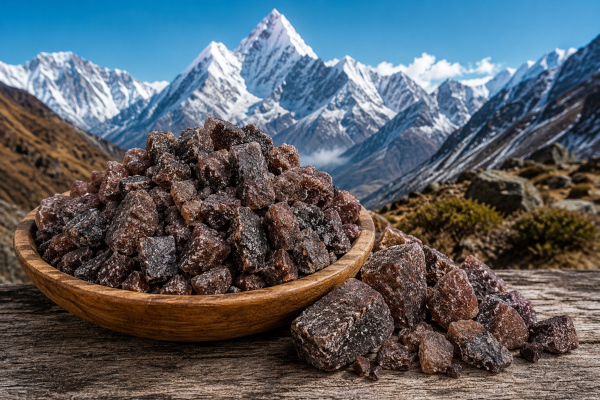
Sauvarchala Lavana, commonly known as black salt, holds a respected place in Ayurveda as a sharp, aromatic and digestive salt used mainly for improving appetite, supporting digestion and easing abdominal discomfort caused by Vata imbalance. Though it is called black salt, its colour often appears dark pink, purple-grey or brownish due to its natural mineral and sulphur content. Its distinct smell and taste make it different from ordinary sea salt, and Ayurveda values it especially as a deepana-pachana dravya, meaning a substance that kindles digestive fire and helps proper digestion.
Names and Identity
In Sanskrit, it is called Sauvarchala Lavana or Sauvarcala Lavana. In Hindi and common Indian usage, it is known as Kala Namak. In Malayalam and other regional traditions, it is recognised as a special digestive salt used in food, churnas, herbal drinks and household remedies. It is one among the important salts described in Ayurvedic tradition, along with Saindhava Lavana, Samudra Lavana, Vida Lavana and others.
Ayurvedic Properties
Rasa: Lavana with a mild katu undertone
Guna: Laghu, tikshna, slightly snigdha
Virya: Ushna
Vipaka: Katu
Dosha effect: Mainly balances Vata, supports Kapha reduction when used properly, and can increase Pitta when taken excessively
Sauvarchala Lavana is warm, sharp and penetrating in action. Its main strength lies in moving stagnant Vata in the abdomen. This makes it useful in conditions where there is bloating, gas, heaviness after food, weak appetite and irregular digestion.
Action on Agni and Digestion
Ayurveda places great importance on Agni, the digestive fire. When Agni becomes weak, food remains improperly digested and leads to heaviness, gas, coating on the tongue, tiredness and dull appetite. Sauvarchala Lavana helps awaken the digestive process. It improves taste perception, stimulates salivation, supports proper secretion of digestive juices and helps the movement of Vata in the downward direction.
Because of this, black salt is commonly added to buttermilk, lemon water, digestive powders, chutneys, soups and herbal formulations. It makes food easier to digest and reduces the heavy feeling that can follow meals.
Benefits in Ayurveda
Sauvarchala Lavana is traditionally used for aruchi or tastelessness, where food feels unappealing. Its sharp and aromatic nature helps restore interest in food and improves the first stage of digestion.
It is valued in adhmana, or abdominal bloating, because it helps release trapped gas and supports downward movement of Vata. In small quantities, it is also used in recipes for indigestion, flatulence and abdominal uneasiness.
It supports vatanulomana, meaning proper movement of Vata. This is important in digestion because disturbed Vata can cause gas, cramps, belching, irregular appetite and discomfort after meals.
It is also used in takra preparations, especially spiced buttermilk, where it combines beautifully with roasted cumin, dry ginger, ajwain and hing. Such preparations are common in Ayurveda for supporting digestion after a meal.
Classical and Manuscript Tradition
Ayurvedic nighantus and traditional formulation texts describe different salts according to their taste, potency and digestive action. Sauvarchala Lavana is praised mainly for its ruchya, deepana, pachana and vatanulomana qualities. In old household and manuscript-based medical traditions, black salt appears frequently in digestive combinations, especially with cumin, ginger, long pepper, asafoetida, buttermilk and sour fruits. These combinations show how Ayurveda used simple kitchen substances with clear therapeutic intention: to kindle Agni, clear heaviness and restore comfort in the abdomen.
Simple Ayurvedic Recipe: Sauvarchala Jiraka Takra
Take one glass of thin buttermilk. Add a small pinch of Sauvarchala Lavana, half a teaspoon of roasted cumin powder, a small pinch of dry ginger powder and a few crushed curry leaves or coriander leaves. Mix well and drink after lunch.
This preparation supports digestion, reduces heaviness, improves appetite and helps ease gas formation. It is especially suitable after a heavy meal or during sluggish digestion.
Use in Food
Black salt can be added to fruit preparations, lemon drinks, raita, buttermilk, soups, salads and digestive chutneys. It pairs well with cumin, ajwain, ginger, black pepper, coriander and mint. In Indian food culture, it is often used where digestion and taste both need support.
Precautions
Sauvarchala Lavana should be used in small quantities. Excess intake of any salt can disturb Pitta, increase burning sensation, thirst, water retention and blood pressure-related concerns. People with hypertension, kidney disease, oedema, severe acidity or salt restriction should use it only with proper medical guidance. For daily household use, a small pinch in food or digestive preparations is usually sufficient.
Conclusion
Sauvarchala Lavana is much more than a flavouring agent. In Ayurveda, it is a digestive salt with a clear therapeutic role. Its warmth, sharpness and aromatic mineral nature make it useful for stimulating appetite, improving digestion and correcting Vata-related abdominal discomfort. When used wisely in small quantities, especially with buttermilk, cumin, ginger or ajwain, black salt becomes a simple but powerful example of Ayurveda’s food-as-medicine tradition.
You may also like
-
IIT Madras and CMC Vellore Build AI Toolkit to Detect Kidney Disease Before Major Damage
-
Ayurvedic Foods for Fatigue: Building Energy, Strength and Better Daily Nourishment
-
Ayurvedic Foods That May Help Ease Gas, Bloating and Indigestion
-
Astrek Innovations Develops AI-Assisted Robotic Exoskeleton for Lower-Limb Rehabilitation
-
Ayurvedic Foods for Managing Diabetes: Traditional Dietary Wisdom for Better Blood-Sugar Control
