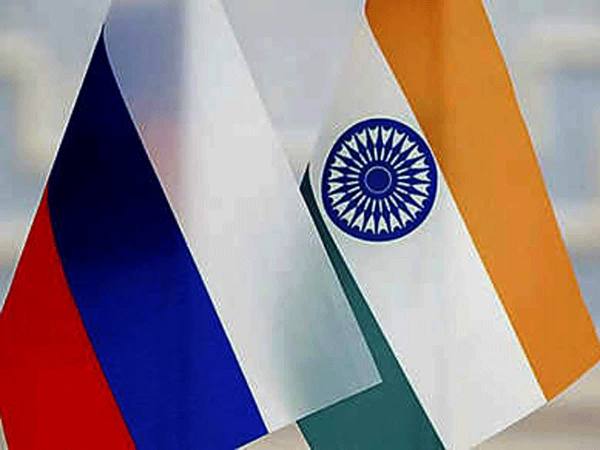
India and Russia have opened a new chapter in judicial cooperation with the signing of a Memorandum of Understanding between the Supreme Court of India and the Supreme Court of the Russian Federation. The agreement brings together judicial diplomacy, institutional collaboration and emerging legal technology at a time when courts across the world are adapting to digital transformation.
The MoU was signed in Moscow on June 23 during a meeting between the Chief Justice of India and the Chief Justice of the Supreme Court of the Russian Federation. The discussions were held at the Marble Hall of the Russian Supreme Court and focused on strengthening the long-standing relationship between the two countries through closer engagement between their judicial institutions.
A major theme of the meeting was the use of technology in justice delivery. Both sides discussed the growing role of digital court systems, artificial intelligence and technology-enabled administration in improving efficiency, expanding access to justice and helping courts respond to modern legal challenges. As case volumes rise and citizens expect faster services, the adoption of digital tools has become an important part of judicial reform.
The agreement is expected to encourage the exchange of experience between the two judiciaries on court modernisation, digital case management, judicial administration and technology-led service delivery. It also creates space for both countries to study best practices in using artificial intelligence responsibly within the justice system.
Judicial education and capacity building formed another important part of the discussions. India and Russia agreed to promote cooperation through exchange visits, training programmes, seminars and conferences. These initiatives will allow judges, court officials and legal experts from both sides to share knowledge on emerging legal issues, institutional practices and modern court management.
A Joint Working Group will be established to take forward the technological cooperation outlined in the MoU. The group is expected to develop practical strategies, identify areas for collaboration and create mechanisms for sustained engagement between the two Supreme Courts. Its work will be important in converting the broad understanding into structured programmes and measurable outcomes.
The MoU reflects the growing importance of judicial partnerships in international relations. Courts today are dealing with complex issues linked to technology, cross-border commerce, cyber disputes, artificial intelligence, digital evidence and rights in the digital age. Cooperation between major judicial institutions can help strengthen legal systems and improve institutional readiness.
For India, the agreement also fits into the wider movement towards digital courts and technology-enabled justice delivery. The Indian judiciary has already been expanding e-courts, online case information systems and virtual hearing infrastructure. Collaboration with other judicial systems can add new perspectives to this transformation.
For Russia, the partnership offers an opportunity to deepen legal and institutional engagement with India while sharing its own experience in court administration and judicial technology. The agreement therefore strengthens both bilateral relations and professional cooperation between two important legal systems.
The signing of the MoU marks a significant milestone in India-Russia judicial ties. By focusing on artificial intelligence, digital transformation, training and institutional exchange, the two countries are laying the foundation for a more modern, connected and technology-ready justice framework.
You may also like
-
US Double Standards in Foreign Policy: 16 Recent Cases Involving India, Russia, China and Global Trade
-
Indian Navy Vice Chief Inspects Japan’s Mogami-Class Stealth Frigate as India-Japan Shipbuilding Cooperation Expands
-
INS Trishul Arrives in UK for Exercise KONKAN 2026 as India and Royal Navy Expand Maritime Cooperation
-
INS Sahyadri Arrives in Russia for Exercise INDRA 2026 to Strengthen India-Russia Naval Cooperation
-
India and Qatar Deepen Strategic Partnership with Focus on Energy Security, Trade and West Asia
