Research

News on Science, Technology and Research in India

Researchers Identify Drug Targets for the Dreaded Nipah Virus

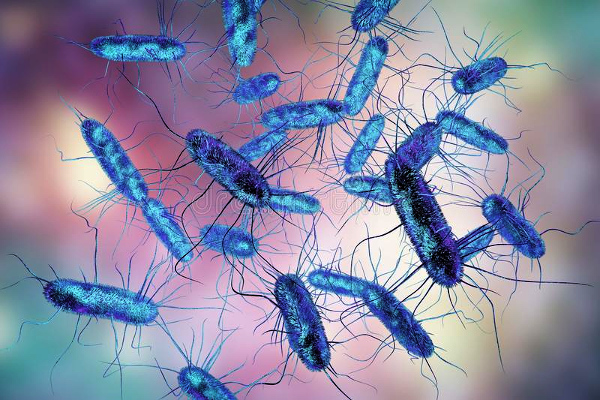
The Nipah virus is an RNA virus. In other words, its genetic material is RNA surrounded by a protein envelope. Like all viruses, it makes copies of itself and propogates by invading and hijacking the machinery of the host cell, destroying it in the process. The virus’ protein envelope is made of six proteins, and its RNA produces three more proteins to defend itself from the responses of the host cells.

New Dust Suction Tool from CSIR-CEERI can Help Prevent Silicosis

Researchers have developed two variants of dust precipitator system – one for single artisan and another that can be used by four persons simultaneously. The precipitator for single artisan collects tiny dust particles with its high suction power. This suction is about 10 times more than that of the inhaling power of human beings, it separates all the dust particles from the air and finally dissolve it in water.

CSIR-CIMAP Identified A Plant Extract to Enhance Absorption of Vitamin B12

A common concern with oral vitamin B12 therapy is absorption especially in people suffering from anemia and gastrointestinal diseases. Researchers at the Council of Scientific and Industrial Research-Central Institute of Medicinal and Aromatic Plants (CSIR-CIMAP) have identified a plant extract that has shown potential in enhancing absorption of vitamin B12 through in vitro and in vivo bioassays.

Researchers from IIT-B Develops Low-Cost Technology to Treat Cancer

Researchers made use of gene and cell therapies to re-engineer immune cells to attack and kill cancer cells in the body. The treatment is less painful than surgery, chemotherapy or radiation, and is known to lower chances of a relapse. The therapy, which seems promising in the treatment of cancer, especially leukaemia, is currently not available in India. With the growing burden of cancer in the country, success in even a fraction of the patients using the technique will be remarkable, experts said.