India’s Crude Steel Output Grows 1.5 per cent to 9.56 Million Tonnes in February
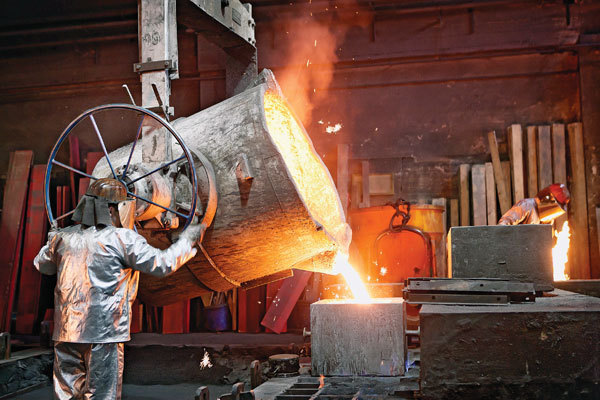
In February 2020, India’s crude steel output grew by 1.5 per cent to 9.56 million tonnes (MT), according to global industry body worldsteel.
News on Indian Economy
In February 2020, India’s crude steel output grew by 1.5 per cent to 9.56 million tonnes (MT), according to global industry body worldsteel.
Currently, the entire country is under lockdown due to rising cases of coronavirus or COVID-19 in India. The biggest impact of this lockdown will be not just on common people but also on the farmers. Hence, the Modi government is making every possible effort to help farmers at this difficult situation.
Based in Gurugram, the factory is spread over 30,000 sq.ft and can produce 240 MWh of high-temperature battery storage solutions annually. These batteries can charge to 80% capacity within two hours and operate in excess of 55ºC, which makes them suitable for hot, humid tropical climates.
There is a great opportunity to leverage data science technologies to analyze the agriculture landscape, grain demand, explore past data, gain insights and define formal models that may be used by farmers to make decisions about crop selection, soil management and planning logistics.
The Cabinet Committee on Economic Affairs, chaired by Prime Minister Shri Narendra Modi, has given its approval for continuation of the process of recapitalization of Regional Rural Banks (RRBs) by providing minimum regulatory capital to RRBs for another year beyond 2019-20, that is, up to 2020-21 for those RRBs which are unable to maintain minimum Capital to Risk weighted Assets Ratio (CRAR) of 9%, as per the regulatory norms prescribed by the Reserve Bank of India.
The Union Cabinet chaired by the Prime Minister, Shri Narendra Modi was apprised of a Memorandum of Understanding (MoU) signed between Ministry of Railways, Government of India with DB Engineering & Consulting GMBH of Germany for technological cooperation inRailway Sector. The MoU was signed in February, 2020.
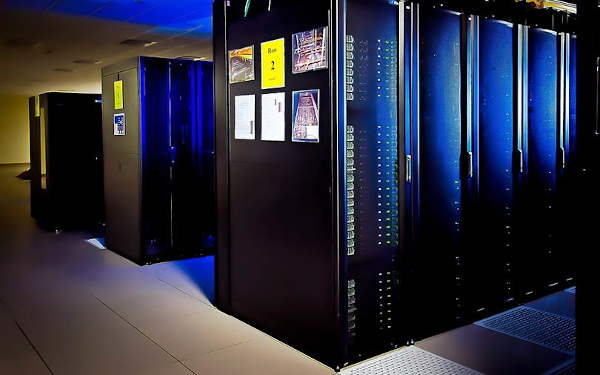
A first of its kind attempt to boost the country’s computing power, the National Super Computing Mission is steered jointly by the Ministry of Electronics and IT (MeitY) and Department of Science and Technology (DST) and implemented by the Centre for Development of Advanced Computing (C-DAC), Pune and the Indian Institute of Science (IISc), Bengaluru.
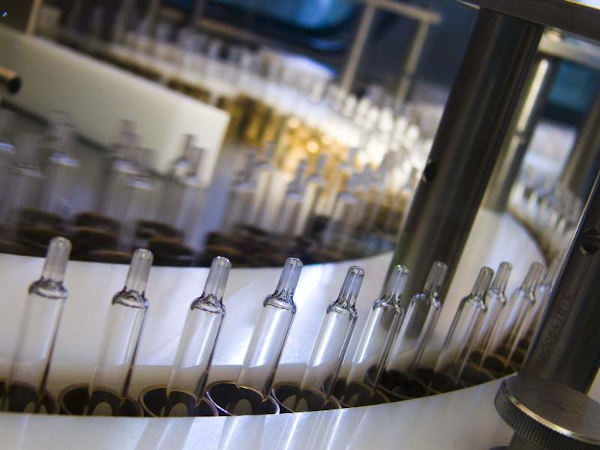
This move comes after supply chain was disrupted due to the coronavirus pandemic exposed the country’s dependence on China and raised the threat of drug shortages.
“With emphasis on ‘Make in India’ and support from local and central government, the COVID- 19 kit has been made as per WHO/CDC guidelines. It was developed and evaluated in a record time,” Hasmukh Rawal, Managing Director, Mylab Discovery Solutions said.
The de-risking trend is all set to accelerate further because of the coronavirus pandemic. The scare, however, wasn’t around five years back. What forced companies to reduce their imports from China? There are a bunch of reasons but the most prominent is the government of India’s import substitution strategy that started levying high customs duties on the import of finished products and components.