Economy

News on Indian Economy

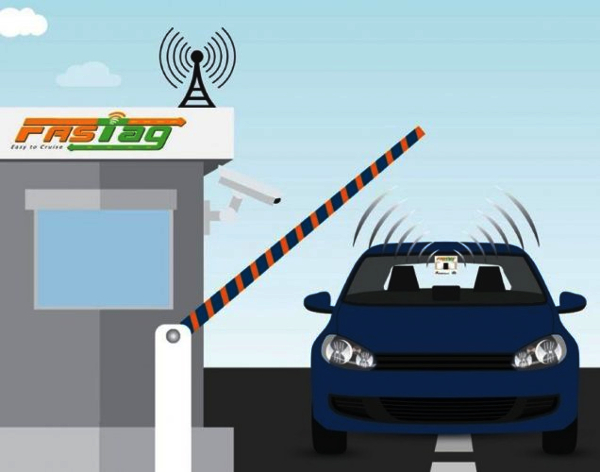
Development of Digital Infra Drives FASTag Adoption

The use of FASTag has picked up significantly in the last few months. The higher adoption of electronic toll collection device has been driven by commercial vehicles that account for the majority of traffic on the highways, as well as people shunning the use of cash due to the fear of contagion following the coronavirus outbreak.


25 Years On, India Tops 75 Crore Internet Connections; 50% of these Came in Last 4 Years

The number of internet connections in India has breached a significant milestone of 75 crore as of August 31, 2020, twenty-five years after the service was first thrown open to the public on August 15, 1995. The number of connections more than doubled in the last four years from just 34 crore in March 2016, coinciding with the country’s Digital India programme, which was launched in 2015.

Indian Economy may be Recovering Faster than Anticipated: Oxford Economics

The Indian economy is seen recovering faster than expected and the Reserve Bank is likely to have come to an end of the rate easing cycle, according to global forecasting firm Oxford Economics. It further said that inflation is expected to average significantly above 6 per cent in the fourth quarter of the current fiscal and the RBI may hold policy rates in December monetary policy review meeting.

NTPC Develops Geo-Polymer Aggregate from Fly Ash

NTPC has successfully developed Geo-polymer coarse aggregates as a replacement to natural aggregates. The technical parameters as per Indian standards for its suitability to use in concrete works were tested by NCCBM, Hyderabad and the results are in acceptable range.

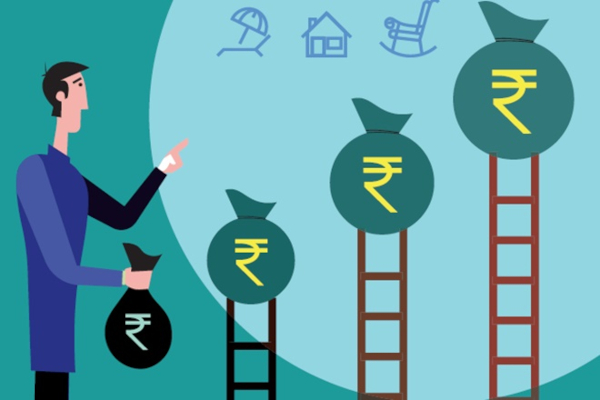
1 in 3 Indian Professionals Optimistic About Personal Finances: LinkedIn

A LinkedIn study revealed that 1 in 3 Indian professionals are now becoming increasingly positive about their financial affairs. Of the 2,022 Indian working professionals surveyed by LinkedIn as part of the Workforce Confidence Index’s 16th edition, 30% anticipate their earned income to increase, 35% expect their personal spending to increase and 35% expect their recurring debt payments to increase.