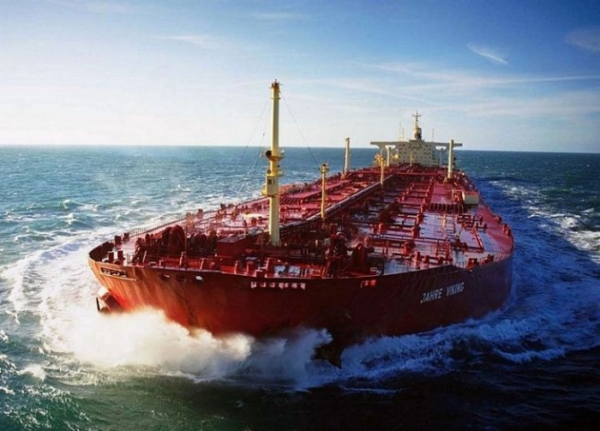
he closure of the Strait of Hormuz during the West Asia crisis created one of the toughest energy-security challenges India has faced in recent years. For a country that imports nearly 90 per cent of its crude oil and depends heavily on overseas LPG supplies, the disruption had the potential to affect transport, households, industry, agriculture and inflation at the same time.
Yet India managed the crisis with limited disruption for ordinary consumers. Petrol pumps continued to function, household LPG supplies were protected, transport fuel availability remained stable, and the government absorbed a large part of the global price shock before it reached the common citizen.
The outcome was not accidental. It was the result of years of preparation, diversified sourcing, refinery flexibility, emergency regulation, consumer protection measures and coordinated work between the Centre, oil marketing companies, refineries, state governments and infrastructure regulators.
Why Hormuz Matters to India
The Strait of Hormuz is one of the world’s most important energy chokepoints. A major share of global crude oil, LPG and LNG shipments passes through this narrow maritime route. When the waterway was disrupted, global oil prices rose sharply and shipping costs increased due to higher risk premiums.
For India, the challenge was especially serious because the country receives large volumes of crude oil and LPG from the Gulf region. The pressure was not limited to fuel prices. It affected shipping routes, insurance costs, LPG cargo availability, refinery planning, commercial fuel supply, industrial feedstock, transport logistics and consumer sentiment.
India had to solve three problems at once: secure physical supply, control panic buying and limit the price impact on consumers.
Diversified Crude Sourcing Became India’s First Shield
India’s most important protection came from its diversified import strategy. Over the past decade, India has steadily widened its crude supplier base. Instead of depending too heavily on a narrow set of Gulf suppliers, Indian refiners increased purchases from a wider range of countries, including Russia, the United States, Africa and Latin America.
This diversification gave India room to adjust quickly when Gulf shipping faced disruption. Cargoes could be rebalanced, alternative crude grades could be processed, and refiners could use their technical flexibility to handle different feedstock blends.
This was one of the biggest reasons the country avoided a full-blown fuel shock. India’s refineries are among the most complex in the world, and many of them can process multiple crude varieties. That flexibility became a national advantage during the crisis.
Strategic Petroleum Reserves Provided Emergency Confidence
India’s strategic petroleum reserves also played an important role. The country has built emergency crude storage capacity at key locations to create a cushion against international supply shocks. These reserves gave policymakers and oil companies breathing space when global markets became volatile.
Strategic reserves are not meant to replace normal imports for long periods. Their value lies in stabilising confidence during the first phase of a crisis. In the Hormuz disruption, they helped reassure markets that India had an emergency buffer while alternative sourcing and supply adjustments were being arranged.
Excise Duty Cut Protected Consumers from the Full Price Shock
One of the strongest consumer-protection steps was the reduction of excise duty on petrol and diesel. When international crude prices rose sharply, the government reduced central excise duty by ₹10 per litre on both petrol and diesel.
This helped limit the direct burden on consumers. Without such intervention, the rise in global crude prices could have translated into a much steeper increase at the pump.
The government’s approach was clear: fuel prices had to remain manageable for households, farmers, transport operators and small businesses. Oil marketing companies also absorbed major under-recoveries during the crisis, helping maintain retail price stability.
Export Levy Helped Keep Fuel Inside the Domestic Market
Another important step was the increase in export levy on diesel and aviation turbine fuel. The government raised the export levy on diesel and ATF to ensure that domestic availability remained strong at a time of international disruption.
This measure helped prevent a situation where refined products could move outward due to better export economics while domestic markets faced stress. By discouraging excessive export diversion, India kept more fuel available for internal consumption.
This was a practical energy-security move. During a global shock, the first duty of the state is to protect domestic availability. The export levy supported that goal.
Temporary Diesel Regulation Prevented Hoarding and Diversion
India also introduced a temporary regulatory order for petrol and diesel sales through retail outlets. The measure placed a temporary limit of 200 litres of high-speed diesel per customer or vehicle per day at retail outlets.
The aim was not rationing for ordinary consumers. The purpose was to stop bulk buyers, industrial users and commercial consumers from shifting to retail pumps and creating artificial pressure on public fuel stations.
Because retail prices were being kept stable while bulk prices were higher, some large consumers had an incentive to buy from retail outlets. This could have caused local shortages, hoarding and black marketing. The government acted early to prevent this distortion.
Industrial, institutional and commercial users were asked to procure fuel through designated consumer pumps instead of retail outlets. This kept petrol pumps available for normal retail customers and protected daily users from inconvenience.
Once the supply situation improved, the government withdrew these temporary restrictions from July 1, 2026. This showed that the measure was targeted, time-bound and linked to the actual supply situation.
LPG Was the Toughest Challenge
Cooking gas became the most sensitive part of the crisis. India depends heavily on imported LPG, and a large share of those imports normally comes through the Gulf. When Hormuz was disrupted, LPG availability became harder to manage than petrol or diesel.
The government responded by prioritising domestic households. Refineries were directed to maximise LPG output by diverting propane, butane, propylene and butene streams for cooking gas supply. This increased domestic LPG production and helped reduce the import gap.
The government also protected household consumers from international price spikes. Even when import-linked cylinder costs rose sharply, regulated retail prices were kept far lower. Ujjwala beneficiaries continued to receive additional support through direct benefit transfers.
This ensured that kitchens did not run dry and that low-income households were shielded from the worst of the global energy shock.
Record US LPG Imports Filled the Gap
India also moved quickly to source LPG from alternative suppliers. Imports from the United States rose sharply and were expected to cross 1 million metric tonnes in June 2026, a record level.
This was a major tactical shift. Before the crisis, India depended heavily on Middle Eastern producers for LPG. During the disruption, Indian buyers increased spot purchases from the US despite higher premiums because uninterrupted household cooking gas supply was the top priority.
India also sourced LPG from the UAE, Kuwait, Iran and other suppliers. UAE cargoes were routed through Oman’s Sohar port, showing how flexible logistics and alternative loading points helped keep supplies moving.
This diversified LPG sourcing helped stabilise the domestic situation.
Piped Natural Gas Expansion Reduced LPG Pressure
Another important tactic was the push to accelerate piped natural gas connections. The government and regulators pushed city gas distribution entities to speed up PNG connections wherever pipeline infrastructure was available.
Residential schools, colleges, hostels, community kitchens, anganwadi kitchens and similar institutions were prioritised for PNG connections. The National PNG Drive 2.0 was extended to maintain momentum.
This was a smart medium-term response. Every new PNG connection reduces pressure on LPG cylinders. During a cooking gas supply shock, shifting eligible consumers to piped gas helps free up cylinders for households that depend only on LPG.
The crisis therefore became an opportunity to accelerate India’s transition toward a cleaner and more resilient gas-based cooking ecosystem.
Delivery Authentication Code Helped Prevent LPG Diversion
The government also strengthened last-mile control of domestic LPG delivery. Delivery Authentication Code-based LPG deliveries were increased sharply to prevent diversion at the distributor level.
This was an important operational measure. During shortage periods, the risk of diversion, duplicate delivery, black marketing and unauthorised resale increases. Authentication-based delivery ensures that cylinders reach genuine consumers.
The rise in online LPG bookings also helped improve transparency and tracking. Digital systems made the supply chain more accountable at a time when every cylinder mattered.
5 Kg FTL Cylinders Supported Migrant Workers
India also used smaller 5 kg Free Trade LPG cylinders to support migrant workers and mobile populations. These cylinders are easier to access and useful for people who may not have regular domestic LPG connections.
During the crisis, lakhs of 5 kg cylinders were sold to migrant workers. This prevented vulnerable groups from being pushed into unsafe or informal cooking arrangements.
It was a small but important social-protection measure. Energy security is not only about crude oil tankers and refineries; it is also about ensuring that workers, students, canteens and temporary settlements have access to safe cooking fuel.
Kerosene Allocation Added Another Safety Net
The government also made an additional allocation of kerosene to states and Union Territories. This created another backup for cooking and lighting needs, especially in areas where LPG supply chains were under pressure.
Kerosene is no longer the preferred household fuel in many parts of India, but during an emergency it can act as a temporary support. The additional allocation helped build resilience at the state level and gave local administrations another option for vulnerable populations.
Natural Gas Priority Order Protected Homes, CNG and Fertilisers
India also managed natural gas supplies through a clear priority sequence. Domestic piped gas to homes and CNG for vehicles were given full protection. Industrial and manufacturing consumers received managed allocations, while fertiliser plants were protected to support the agricultural input chain.
This was important because a fuel crisis can quickly become a food-security and inflation problem if fertiliser production is affected. By protecting fertiliser plants, India safeguarded agriculture ahead of the sowing season.
The natural gas priority order showed that the government was looking beyond immediate fuel retail prices. It was protecting the wider economy.
Commercial LPG Was Restored in Phases
Commercial LPG supply was managed carefully. During the worst phase, household supply was prioritised. As availability improved, commercial LPG allocation was gradually restored.
The government allowed phased allocation to restaurants, dhabas, hotels, industrial canteens, food processing units, dairy units, community kitchens, steel, automobile, textile, dye, chemical and plastics industries. Priority was given to sectors where LPG was difficult to substitute.
This phased restoration helped balance two needs: protecting household kitchens and restarting commercial activity. It allowed the economy to keep functioning without sacrificing domestic cooking gas security.
State Coordination Strengthened Last-Mile Delivery
The Centre worked with state governments and Union Territories to monitor fuel availability, prevent hoarding and ensure proper distribution. State-level orders helped align commercial LPG allocation with national guidelines.
This coordination was essential because fuel security is ultimately felt at the local level. A refinery may produce fuel, a port may receive cargo and an oil company may plan distribution, but the consumer judges success by whether the pump, gas agency or local supply chain works.
India’s response showed that energy crisis management requires coordination from national policy down to the last-mile distributor.
India’s Refining Strength Was a Major Advantage
India’s status as one of the world’s largest refining hubs also helped. The country is a major refiner and exporter of refined petroleum products. This gives it more flexibility than countries that depend entirely on imported finished fuels.
Indian refineries could adjust crude slates, improve LPG output, support domestic demand and reduce dependence on finished product imports. Refinery flexibility became a strategic asset.
This is why refining capacity is not only an economic strength but also a national-security tool.
The Crisis Proved the Value of Energy Diplomacy
India’s ability to secure supplies from the US, UAE, Kuwait and other sources showed the importance of energy diplomacy. Relationships with multiple suppliers helped India move quickly when traditional routes were disrupted.
Energy diplomacy today is as important as defence diplomacy or trade diplomacy. A country with multiple supplier relationships has more options during a crisis. India’s global outreach gave it room to negotiate, reroute and rebalance supplies.
Consumer Confidence Was Protected
Perhaps the biggest achievement was the protection of consumer confidence. Fuel crises often become worse when panic buying begins. Long queues, rumours and hoarding can create artificial shortages even when supply is available.
India prevented that spiral through price support, temporary regulation, anti-hoarding measures, public communication, controlled distribution and targeted supply prioritisation.
The fact that normal consumers were largely protected shows the value of early intervention.
A Crisis Managed Through Many Small Levers
India’s response was not based on one big solution. It was built through many coordinated levers: diversified crude imports, strategic reserves, excise duty cuts, export levy, anti-hoarding orders, LPG production directives, record alternative imports, PNG expansion, authenticated cylinder delivery, kerosene allocation, 5 kg cylinders, commercial LPG prioritisation and natural gas control.
Each measure solved one part of the problem. Together, they created a shield around the consumer.
The Bigger Lesson for India
The Hormuz crisis showed that energy security is no longer only about buying enough oil. It is about building flexible supply chains, diversified import routes, digital delivery systems, refinery adaptability, emergency storage, alternative fuels, fiscal buffers and strong domestic infrastructure.
India’s performance during the crisis shows that the country has moved from a reactive fuel-management model to a more prepared and coordinated energy-security framework.
The result was clear: no empty pumps, no dry kitchens and no uncontrolled consumer shock.
India absorbed a global energy storm with discipline, planning and administrative coordination. The crisis tested the system, but it also proved that the country’s energy resilience has become stronger, deeper and more practical.
Conclusion
The Strait of Hormuz disruption was a severe test for India’s energy security. It could have caused fuel shortages, cooking gas panic, industrial disruption and inflation pressure. Instead, India managed to maintain supply stability and protect consumers through a mix of policy, logistics, diplomacy and fiscal support.
The response showed the strength of a diversified energy strategy. It also proved that investments in refining, strategic reserves, digital delivery, PNG infrastructure and global supplier relationships are not abstract reforms. They become critical national assets during a crisis.
India’s handling of the Hormuz supply shock stands as a positive example of modern energy governance. It protected households, kept transport moving, supported industries, maintained confidence and demonstrated that a prepared nation can withstand even a major global chokepoint disruption.
You may also like
-
Russia Offers Technology Transfer as India–Russia Industrial Partnership Moves Beyond Trade
-
India’s Serendipity Space Tests ‘Alchemy’ as It Builds Satellites to Manufacture Medicines in Orbit
-
India-France Textile Partnership Opens Premium Global Market for Indian Manufacturers and Artisans
-
Offgrid Energy Labs: India-Developed ZincGel Batteries Target the Long-Duration Energy Storage Market
-
FLY91 Places Historic $1-Billion Order for 40 ATR Aircraft to Expand Regional Connectivity
