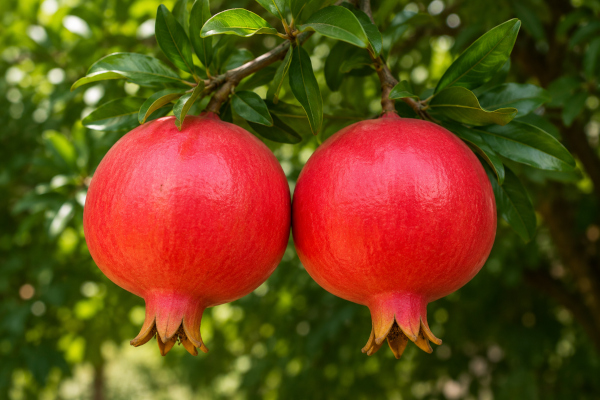
Pomegranate, known in Sanskrit as Dadima, is one of the most admired fruits in Ayurveda. Its ruby-red seeds, sweet-sour taste, cooling freshness and deep nourishing value have made it a treasured fruit in Indian homes, classical medicine and traditional food culture. In daily life, it is eaten as a fruit, taken as juice, added to chutneys, sprinkled over food, used in digestive preparations and prepared as a light medicinal soup.
In Ayurveda, pomegranate is loved because it combines taste, nutrition and therapeutic intelligence. It is pleasant to the tongue, light on digestion, supportive to the heart, useful for appetite and helpful in restoring strength. Its unique balance of sweet, sour and astringent taste makes it a rare fruit that can refresh the body while also supporting digestive stability.
Ayurvedic Identity of Pomegranate
Common name: Pomegranate
Sanskrit name: Dadima
Botanical name: Punica granatum
Hindi: Anar
Malayalam: Mathalam
Tamil: Madulam Pazham
Telugu: Dadimma / Dadimbakaya
Kannada: Dalimbe
Marathi: Dalimba
Gujarati: Dadam
The pomegranate tree is small, graceful and full of symbolism. Its bright flowers, round fruit and jewel-like seeds have long been associated with fertility, prosperity, beauty and vitality. In Ayurveda, the fruit is not valued only for sweetness; it is valued for its ability to bring balance to digestion, thirst, taste, strength and nourishment.
Ayurvedic Properties of Dadima
Pomegranate has a beautiful combination of tastes and actions.
Rasa — Taste: Madhura, Amla, Kashaya — sweet, sour and astringent
Guna — Qualities: Laghu, Snigdha — light and slightly unctuous
Virya — Potency: Traditionally described with a gentle balancing action
Vipaka — Post-digestive effect: Madhura — sweet
Main actions: Balya, Deepana, Pachana, Hridya, Ruchya, Grahi, Tridosha-supportive
In simple words, Dadima supports strength, improves appetite, assists digestion, benefits the heart, restores taste, supports bowel balance and gives nourishment without heaviness. This is why Ayurveda gives pomegranate a special place among fruits.
Dadima and Digestion
Ayurveda views digestion as the foundation of health. When Agni, the digestive fire, is balanced, food becomes nourishment. When Agni becomes weak, the body may experience heaviness, dull appetite, bloating, loose stools, sourness, thirst or tiredness after food.
Pomegranate supports digestion in a gentle and pleasant way. It is not harsh, overly sharp or heavy. Its sour taste stimulates appetite, its sweet taste nourishes tissues, and its astringent quality supports firmness and balance in the gut. This makes Dadima especially useful when the appetite is low but the body still needs nourishment.
Pomegranate is also known as Ruchya, meaning it improves taste and interest in food. A person recovering from weakness, fever, digestive dullness or loss of appetite often finds pomegranate refreshing and easy to accept. This is one of the reasons Dadima appears in traditional dietetic preparations.
Dadima as a Heart-Supporting Fruit
Pomegranate is described as Hridya, meaning beneficial and pleasing to the heart. In Ayurveda, Hridya does not refer only to the physical heart. It also includes emotional satisfaction, pleasant taste, freshness, lightness and nourishment. A good Hridya food should make the body feel supported and the mind feel refreshed.
Pomegranate fulfils this role beautifully. Its colour is bright, its taste is cheerful, its juice is refreshing and its action is gentle. A cup of fresh pomegranate juice, taken in moderation, gives a sense of natural vitality. This makes it one of the finest fruits for food-as-medicine living.
Dadima for Strength and Recovery
Pomegranate is considered Balya, meaning strength-supporting. It is useful in diets meant for recovery, weakness, fatigue and low appetite. The fruit provides nourishment without creating heaviness, which is important in Ayurveda because heavy food can burden weak digestion.
For people recovering from illness, a light pomegranate preparation can be easier than rich, oily or complex food. Dadima gives taste, fluid, mild nourishment and digestive support in one form. This is why it remains a favourite fruit in traditional convalescent diets.
Rochaka: Classical Pomegranate Soup
A beautiful classical preparation associated with pomegranate is Rochaka, also known as Pomegranate Soup, referenced in Kashyapa Khilasthana 4/36. The name itself is meaningful. “Rochaka” suggests something that improves taste, stimulates appetite and makes food pleasant again.
This preparation shows how Ayurveda uses fruit not only as a sweet food but also as a carefully designed digestive drink. A pomegranate-based soup is light, tangy, appetising and refreshing. It can be taken when appetite is low, the tongue feels dull, digestion needs support, or the body needs a pleasant liquid preparation.
Home-Style Rochaka: Pomegranate Soup
Ingredients
1 cup fresh pomegranate juice
½ cup water
1 tablespoon fresh pomegranate seeds
¼ teaspoon roasted cumin powder
A small pinch of dry ginger powder
A small pinch of black pepper powder
A pinch of rock salt
A few drops of fresh lime juice, optional
A little jaggery, optional, only when a sweeter taste is desired
Fresh coriander leaves for garnish
Method
Extract fresh juice from ripe pomegranate seeds and strain it gently. Add water and warm it on a low flame. Do not boil heavily, as the freshness of the fruit should remain. Add roasted cumin powder, dry ginger powder, black pepper powder and rock salt. Stir well and allow the preparation to become warm and aromatic. Add a few fresh pomegranate seeds before serving. Garnish with fresh coriander leaves.
This soup may be served warm or mildly lukewarm. It should taste sweet, sour, lightly salty and gently spiced. The final result should be refreshing, appetising and easy to digest.
Ayurvedic Logic Behind Rochaka
Rochaka works because it brings together taste, digestion and light nourishment. Pomegranate gives sweet, sour and astringent taste. Cumin supports digestion. Dry ginger adds warmth. Black pepper sharpens the formula. Rock salt improves taste and helps digestive movement. The preparation becomes a balanced Ayurvedic soup that is pleasant to drink and supportive to Agni.
This is the genius of Ayurvedic cooking. A fruit becomes medicine through the right combination, right preparation and right context. Rochaka is not a heavy soup. It is a light drinkable preparation that encourages appetite and supports digestive comfort.
Pomegranate Peel in Ayurveda
The fruit rind of pomegranate also has a respected place in Ayurveda. It is more astringent than the juicy seeds and is traditionally used in formulations where firmness, gut support and mouth freshness are required. Because the rind is stronger and more medicinal in action, it is usually used in powdered or processed form under proper guidance.
For daily food use, the fresh fruit and juice are most suitable. The rind belongs more to medicinal preparation and should be used carefully.
Everyday Ways to Use Pomegranate
Pomegranate can be used in many simple ways. Fresh seeds may be eaten as a fruit, added to salads, sprinkled over curd rice, used in chutneys, mixed into herbal drinks, or served with light meals. Pomegranate juice may be taken in small quantities as a refreshing drink. Its seeds can also be added to digestive recipes to improve taste and colour.
In Indian food culture, pomegranate brings beauty as well as function. It brightens the plate, improves taste and adds a refreshing finish to meals. This makes it especially useful in diets where food needs to be nutritious, attractive and easy to digest.
Best Time to Use
Pomegranate is best taken during the day, especially between meals or as part of a light meal. Fresh seeds can be taken in the morning or afternoon. Pomegranate soup such as Rochaka is suitable before or with a light meal when appetite needs gentle support.
Fresh fruit is always preferable. Packaged juices with added sugar should be avoided for therapeutic use. The fruit should be ripe, clean and naturally sweet-sour.
Who Should Use It Carefully
Pomegranate is generally gentle, but moderation is important. People with diabetes should watch quantity because the fruit contains natural sugars. Those with severe constipation should use it thoughtfully, especially if taking the astringent rind. People with chronic illness, active digestive disease, kidney disease, or those taking regular medication should seek professional guidance before using any fruit or herb as a therapeutic routine.
Conclusion
Pomegranate, or Dadima, is one of Ayurveda’s most graceful fruits. It is beautiful, nourishing, appetising and deeply useful in food-as-medicine traditions. It supports digestion, improves taste, benefits the heart, helps recovery and gives strength without heaviness.
The classical preparation Rochaka, or Pomegranate Soup, shows the depth of Ayurvedic culinary wisdom. It turns a familiar fruit into a light, digestive, appetite-supporting drink that carries both flavour and healing intention. From fresh seeds to warm spiced soup, Dadima remains a shining example of how Ayurveda transforms everyday food into intelligent nourishment.
You may also like
-
Ayurvedic Foods and Medicines for Better Mood: Supporting Sattva, Emotional Balance and Mental Wellbeing
-
India’s Serendipity Space Tests ‘Alchemy’ as It Builds Satellites to Manufacture Medicines in Orbit
-
IIT Madras and CMC Vellore Build AI Toolkit to Detect Kidney Disease Before Major Damage
-
Ayurvedic Foods for Fatigue: Building Energy, Strength and Better Daily Nourishment
-
Ayurvedic Foods That May Help Ease Gas, Bloating and Indigestion
