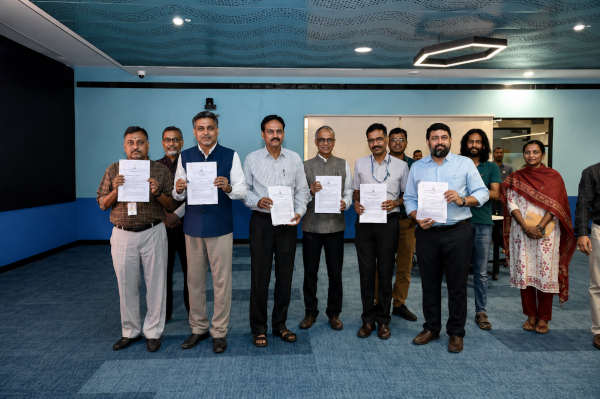
India has taken an important step in strengthening climate-risk preparedness for its maritime sectors with the launch of specialized El Niño bulletins by the Indian National Centre for Ocean Information Services. The first advisory was released at INCOIS on 22 June 2026 by Shri Konda Vishweshwar Reddy, Member of Parliament from Chevella, marking a focused effort to translate ocean and climate science into timely guidance for fisheries, ports, coastal communities, marine operators and disaster-management agencies.
The new bulletin system has been designed to assess how the developing El Niño event may affect the Indian Ocean region and the sectors that depend directly on ocean conditions. According to the first bulletin, the present El Niño phase is continuing to develop and is expected to reach its peak during the winter period from November 2026 to January 2027. Its influence is likely to keep sea surface temperatures in the Indian Ocean above normal levels until April or May 2027.
This rise in sea temperature is a major concern for the northern Indian Ocean, covering both the Arabian Sea and the Bay of Bengal. Warmer waters can place marine ecosystems under severe thermal stress, especially during March to May 2027. Such conditions may increase the risk of coral bleaching, intensify marine heatwave episodes and disturb the natural movement, growth and breeding patterns of commercially important fish species.
The fisheries sector is expected to be one of the most closely watched areas under the new advisory framework. Species such as sardine and mackerel are particularly sensitive to changes in ocean temperature and marine environmental conditions. Warmer waters may push fish stocks towards more suitable habitats, affect recruitment patterns and reduce catch availability in traditional fishing zones. Fish growth may also be affected, with some stocks failing to reach the desired size because of changing ocean conditions.
The bulletin also highlights a regional contrast in sea-state conditions during the monsoon season. The Bay of Bengal is expected to experience rougher sea conditions, increasing the risk of coastal erosion and flooding along India’s eastern coast. This makes the advisory especially relevant for coastal administrations, fishing communities, port authorities and disaster-management teams across the east coast.
The situation along the Arabian Sea and India’s western coast is expected to be comparatively more favourable during the ongoing monsoon season. Calmer-than-usual sea conditions may create longer operational windows for marine activities, including fishing, coastal transport, offshore operations and other maritime services. The west coast may also face lower risks of coastal erosion and inundation during this period.
The launch of these specialized bulletins reflects the growing importance of ocean intelligence in India’s maritime planning. Climate events such as El Niño can affect fishing livelihoods, coastal infrastructure, marine biodiversity, shipping schedules, offshore energy activity and disaster preparedness. By issuing dedicated bulletins, INCOIS is giving maritime stakeholders a structured early-warning tool to plan operations with better scientific awareness.
INCOIS has advised all maritime operators to closely follow its alerts, warnings and advisories in the coming months. The next specialized El Niño bulletin is scheduled to be issued in the second week of July 2026, providing updated assessments as the event develops.
The initiative strengthens India’s ability to connect climate monitoring with real-time maritime decision-making. For a country with a long coastline, major fishing communities, expanding port infrastructure and growing blue-economy ambitions, such ocean-based advisories can play a vital role in reducing risk, protecting livelihoods and improving preparedness across the maritime sector.
You may also like
-
India’s E-Commerce Platforms Record ₹24,000 Crore Festive Sales in Two Days as Meesho Reports 75% Surge in Orders
-
India’s Economic Warfare Challenge: Strategic Autonomy, Energy Security and the Rise of a Global Power
-
India-US Trade Deal Stalemate: Why Washington’s Tariff Pressure Has Failed to Secure an Agreement
-
US Double Standards in Foreign Policy: 16 Recent Cases Involving India, Russia, China and Global Trade
-
India’s Arctic Energy Ambitions: Russian Oil, LNG and a New Sea Route to Indian Ports
