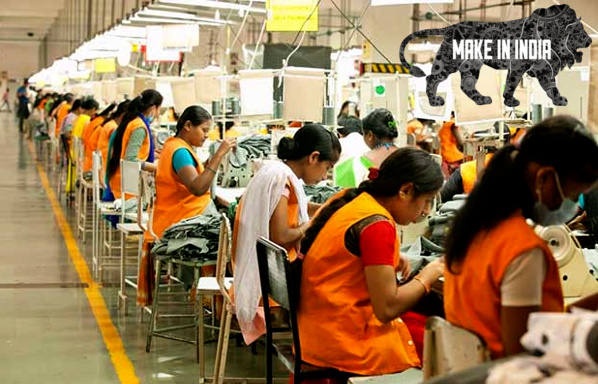
India’s textile and apparel industry is entering a more favourable phase as recovering global demand, new free trade agreements and shifting sourcing patterns create fresh opportunities for exporters. With major global retailers rebuilding order pipelines and looking for diversified supply bases, Indian textile companies are expected to benefit from stronger export visibility in the coming quarters.
The improvement is being driven by several factors. Apparel demand in key markets such as the United States and Europe is showing signs of recovery after a period of weak consumer spending and inventory correction. Global brands are becoming more confident about future sales, leading to better sourcing plans and healthier order cycles. This is expected to support Indian exporters through improved capacity utilisation, steadier order flows and stronger margin visibility.
A major boost for the sector is expected from the India-UK Free Trade Agreement. The United Kingdom is a large apparel-importing market, but India’s share has remained limited because Indian exporters have faced duty disadvantages when compared with suppliers from countries such as Bangladesh, Turkey and Cambodia. These countries have enjoyed more favourable access, while Indian textile products have faced import duties in the range of 8% to 12%.
The proposed duty removal under the India-UK trade pact can significantly improve India’s competitiveness in the British market. Once Indian exporters receive more equal access, apparel shipments to the UK could rise meaningfully over the medium term. The agreement can also encourage global brands to source more from India as they look for reliable, scalable and diversified manufacturing destinations.
Another important opportunity comes from China’s declining share in global apparel exports. China’s share has fallen from around 37% in 2014 to about 29% in 2024. Its share in US apparel imports has also dropped sharply in recent years. This shift reflects rising labour costs in China, changing global sourcing strategies and the growing preference among brands for a China-plus-one supply chain model.
India is well placed to benefit from this change because it has a large cotton base, integrated textile capabilities, a wide labour force, improving infrastructure and expanding manufacturing capacity. The country has strength across several segments, including cotton textiles, garments, home textiles, man-made fibres and technical textiles. With the right policy support and market access, India can capture a larger share of global apparel trade.
Government initiatives are also supporting the industry’s growth ambitions. The Production Linked Incentive scheme for textiles, the development of mega textile parks and efforts to improve logistics and manufacturing infrastructure are aimed at building a stronger export ecosystem. These measures can help Indian companies scale production, reduce costs and meet the quality and delivery standards expected by global buyers.
India’s textile sector also has a strategic advantage because global buyers are increasingly looking for sourcing partners that offer stability, compliance, sustainability and product diversity. Indian manufacturers are improving their capabilities in design, processing, finishing, branded textiles and value-added apparel. This can help the industry move beyond low-margin production and compete in higher-value categories.
Bangladesh and Vietnam have gained from cost advantages and trade agreements for many years, but India’s position is strengthening as fresh trade pacts, domestic capacity expansion and policy support begin to align. The India-UK FTA could become a turning point, especially if followed by additional agreements with other major markets.
The coming years will be important for Indian textile exporters. A recovery in Western demand, reduced dependence on China by global retailers and improved access to overseas markets can create a strong export opportunity. To fully benefit, Indian firms will need to focus on speed, quality, sustainability, technology adoption and product innovation.
India’s textile sector has the scale, raw material base and industrial depth to become a much larger player in global apparel trade. With demand improving and new trade routes opening, the industry is positioned for stronger growth and wider participation in global value chains.
You may also like
-
India’s E-Commerce Platforms Record ₹24,000 Crore Festive Sales in Two Days as Meesho Reports 75% Surge in Orders
-
India’s Economic Warfare Challenge: Strategic Autonomy, Energy Security and the Rise of a Global Power
-
India-US Trade Deal Stalemate: Why Washington’s Tariff Pressure Has Failed to Secure an Agreement
-
US Double Standards in Foreign Policy: 16 Recent Cases Involving India, Russia, China and Global Trade
-
India’s Arctic Energy Ambitions: Russian Oil, LNG and a New Sea Route to Indian Ports
