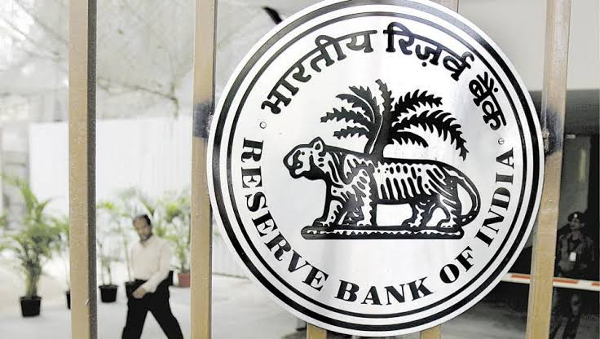
The Reserve Bank of India and the European Central Bank have signed a fresh Memorandum of Understanding to strengthen cooperation in the field of central banking, marking an important step in deepening India–Europe financial institutional engagement. The agreement was signed on 10 May 2026 by RBI Governor Sanjay Malhotra and ECB President Christine Lagarde on the sidelines of the Bank for International Settlements meetings in Basel.
The new MoU updates the earlier agreement signed between the two central banks in 2015. According to the ECB, the renewed arrangement creates a framework for regular exchange of information, policy dialogue and technical cooperation between the two institutions. Technical cooperation may include joint seminars and workshops in areas of mutual interest, helping both central banks share experience on evolving monetary, regulatory and financial-sector challenges.
For India, the agreement comes at a time when the country’s financial system is becoming more closely linked with global markets, digital payments, cross-border finance and international regulatory frameworks. A structured channel of cooperation with the ECB gives the RBI another platform to exchange insights on central banking practices, financial stability, payment systems, supervision, market infrastructure and policy responses to global economic uncertainty.
ECB President Christine Lagarde said it was important to sustain global cooperation and described the signing as a sign of continued dialogue with the Reserve Bank of India. The agreement is therefore not merely a technical update, but a reflection of the growing importance of India–Europe financial engagement at a time when global central banks are dealing with inflation risks, capital flows, digital finance, geopolitical uncertainty and the need for stronger regulatory coordination.
The MoU is also significant because central bank cooperation has become a key part of wider economic diplomacy. As India and the European Union expand their trade, investment and financial conversations, stronger RBI–ECB institutional ties can support smoother policy coordination and better understanding of each other’s regulatory priorities. The renewed framework is expected to deepen engagement between the two central banks and strengthen collaboration on central banking practices and financial-sector developments.
You may also like
-
Indian Startup DetectifAI Develops Live-Call Detection System to Fight AI Voice Deepfakes
-
MTAR Technologies Wins ₹126.74 Crore NPCIL Order for Critical Nuclear Reactor Assemblies
-
India-Canada Economic Partnership Gains Momentum as Both Sides Target C$70 Billion Trade by 2030
-
JNPA Becomes World’s Fastest-Growing Top-30 Container Port as India’s Maritime Trade Accelerates
-
India’s Defence Production Nears ₹1.8 Lakh Crore as Exports Surge to ₹39,000 Crore
