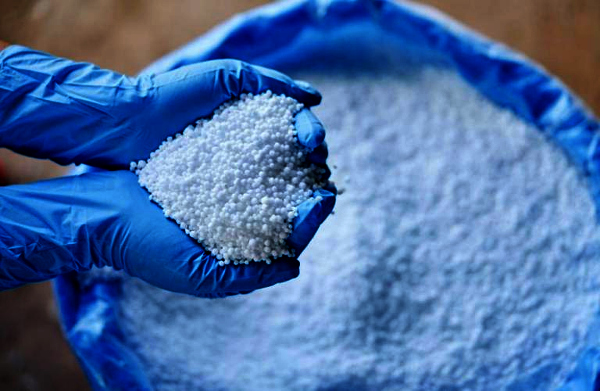
With global tensions in West Asia raising concerns over supply disruptions, the Government of India has moved quickly to secure fertilizer availability ahead of the Kharif 2026 season. In a development that could bring relief to millions of farmers, the Centre has increased gas supplies to urea plants, boosted domestic production, diversified imports, and built up stocks across key fertilizers to reduce the risk of shortages during the sowing season.
At the heart of this effort is a major increase in natural gas supply to domestic urea plants. Through the Empowered Pool Management Committee (EPMC) bidding process, the government secured an additional 7.31 MMSCMD of gas on a spot basis. This has raised total gas supply to urea plants from 32 MMSCMD to 39.31 MMSCMD, an increase of about 23 percent. As a direct result, domestic urea production is projected to rise from 54,500 metric tonnes per day to 67,000 metric tonnes per day, also an increase of nearly 23 percent. The gas fulfilment level of these plants has now improved from 62 percent to 76 percent of their average requirement.
This matters because fertilizer availability is one of the most critical factors for the Kharif cropping cycle. By improving domestic production before demand peaks, the government is trying to reduce India’s vulnerability to sudden global supply shocks. The timing is especially important because farmers depend heavily on steady fertilizer access during the sowing season, and any disruption can affect crop planning, yields, and input costs.
The government has also pointed to a much stronger stock position compared to the same time last year. As of March 19, 2026, urea stocks stood at 61.14 lakh metric tonnes, up from 55.22 lakh metric tonnes a year earlier. DAP stocks more than doubled, rising from 11.85 lakh metric tonnes in March 2025 to 24.24 lakh metric tonnes in March 2026. Stocks of NPK fertilizers also rose sharply from 34.44 lakh metric tonnes to 57.21 lakh metric tonnes, while SSP stocks increased from 23.15 lakh metric tonnes to 24.80 lakh metric tonnes. MOP stocks, however, declined from 14.13 lakh metric tonnes to 12.65 lakh metric tonnes.
Taken together, these numbers suggest that India is entering the Kharif season in a far more prepared position than last year, especially in urea, DAP and NPK availability. That is significant because DAP and NPK are especially important for nutrient balance in many crop systems, and higher warehouse stocks can help cushion the market against international volatility.
Alongside boosting domestic production, the government has also relied on a diversified global procurement strategy. During an inter-ministerial press briefing, MEA spokesperson Randhir Jaiswal said India currently has adequate fertilizer stocks and is in a comfortable position for Kharif 2026. He added that the Department of Fertilizers had floated global tenders well in advance, received strong responses, and expects the bulk of ordered quantities from multiple sources to reach Indian warehouses before the end of March 2026. He also stressed that India is continuing to stay in touch with several countries as part of its diversified import approach.
What stands out here is not just the increase in fertilizer availability, but the strategy behind it. The government appears to have combined technical intervention, early procurement, and diplomatic outreach in an effort to stay ahead of a potential supply crunch. In plain terms, it is trying to make sure that even if the global situation becomes more uncertain, Indian farmers do not feel the impact in the form of empty stocks or sharply rising prices.
For farmers, the biggest takeaway is simple: the government is signalling that it wants fertilizer to be available in time, in sufficient quantity, and from multiple supply channels. For the agriculture sector, this is about more than stock numbers. It is about confidence before the sowing season begins. If the planned arrivals do reach warehouses by the end of March as expected, India could enter Kharif 2026 with a stronger safety cushion than many had feared just weeks ago.
Source: PIB
You may also like
-
India Ranks First Among 41 Markets in Swedish Global Business Climate Survey 2026
-
India’s Semiconductor Market Could Cross US$200 Billion by 2035 as Domestic Demand Accelerates
-
Pace Robotics Moves Construction Automation From Pilot Stage to Commercial Deployment
-
Hindustan Shipyard Docks Three Vessels Simultaneously in Precision Engineering Milestone
-
BCCL Dispatches First Rake From 5-MTPA Maheshpur Rapid Loading System
