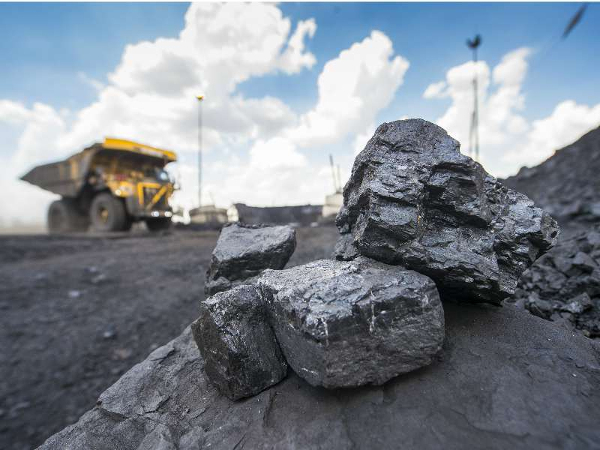
India’s coal sector has reached a significant milestone with captive, commercial, and other coal mines collectively crossing the 200 million tonnes (MT) production mark during FY 2025–26. The Ministry of Coal described this achievement as a major indicator of the sector’s growing capacity and efficiency.
The milestone was officially achieved on 11 March 2026, when total production from these categories of mines crossed 200 MT, including about 194.17 MT from captive and commercial mines and 6.06 MT from other mines.
Faster Growth Than Last Year
A particularly noteworthy aspect of the achievement is the speed at which the milestone was reached. Production during FY 2025–26 surpassed the entire output of FY 2024–25 (197.32 MT) nearly 24 days earlier, reflecting the rapid expansion of mining activity and improved operational efficiency across the sector.
The growth rate of the sector has also been strong. Coal output from these mines recorded over 10 percent year-on-year growth, demonstrating the increasing contribution of captive and commercial mines to India’s energy security.
Role of Public and Private Sector
According to the Ministry of Coal, the milestone reflects the combined efforts of Central and State Public Sector Undertakings as well as private sector operators. Their coordinated work in exploration, extraction, and logistics has enabled higher production levels and improved coal availability across the country.
The growth of commercial and captive mines has been particularly significant since the government introduced reforms allowing private companies to participate more actively in coal mining, reducing dependence on imports and encouraging competition in the sector.
Coal’s Continued Importance to India’s Energy System
Despite the rapid growth of renewable energy, coal continues to remain the backbone of India’s power generation system. Roughly three-quarters of India’s electricity is still produced from coal, making stable domestic coal production crucial for ensuring uninterrupted energy supply.
India’s large state-owned producer, Coal India Limited, remains one of the largest coal mining companies in the world and plays a major role in the country’s total output.
Strategic Implications
The achievement has several broader implications:
- Energy security: Higher domestic production reduces reliance on imported coal.
- Industrial growth: Reliable coal supply supports power plants, steel manufacturing, and other energy-intensive industries.
- Economic momentum: Increased mining activity generates employment and stimulates regional development in mining areas.
Looking Ahead
India has set ambitious targets for coal production in the coming years, even as it expands renewable energy capacity. The government aims to balance energy transition with energy security, ensuring that traditional resources like coal continue to support the economy while cleaner sources gradually increase their share.
Reference: News on Air
You may also like
-
Equinor’s 15-Year LNG Agreement With Deepak Fertilisers Enters Supply Phase, Deepening India–Norway Energy Links
-
Russian Fibre-Optic Monitoring Specialist SibSensor Signs India Cooperation Agreement With TVS Group
-
Governing for the India That Can Be: India’s Political Shift From Managing Problems to Building Solutions
-
India–Taiwan Deep-Tech Investment Link Expands With ₹1,000-Crore Advanced Manufacturing Fund
-
Micron Begins Global Shipments of DRAM and NAND Products From Sanand as India’s Semiconductor Manufacturing Scales Up
