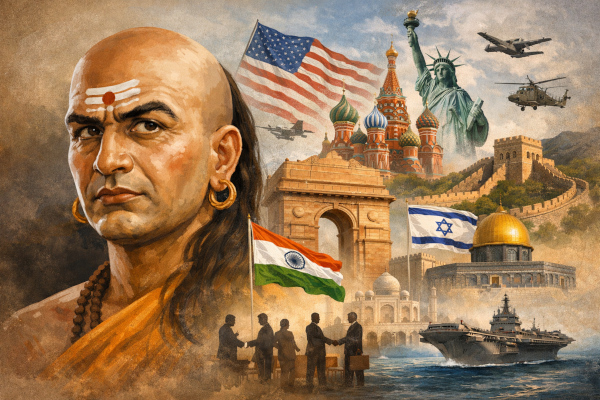
Why India Refuses to Choose Sides : India’s Chanakyan Approach to World Politics
“अतिरूपेण वा सीता अतिगर्वेण रावणः ।अतिदानाद्बलिर्बद्धो ह्यतिसर्वत्र वर्जयेत्॥” Atirūpeṇa vā Sītā, atigarveṇa Rāvaṇaḥ| Atidānād Balir
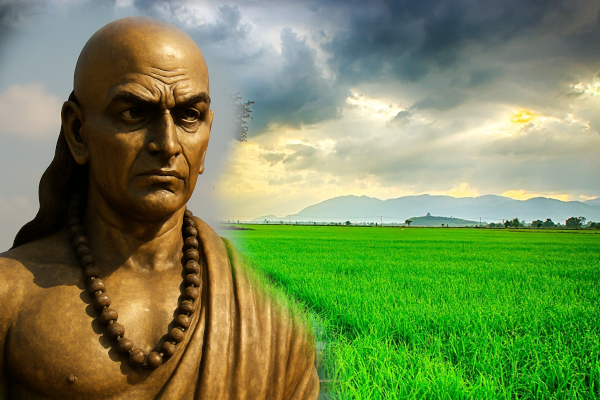
The great Indian diplomat and his ways of diplomacy
“अतिरूपेण वा सीता अतिगर्वेण रावणः ।अतिदानाद्बलिर्बद्धो ह्यतिसर्वत्र वर्जयेत्॥” Atirūpeṇa vā Sītā, atigarveṇa Rāvaṇaḥ| Atidānād Balir
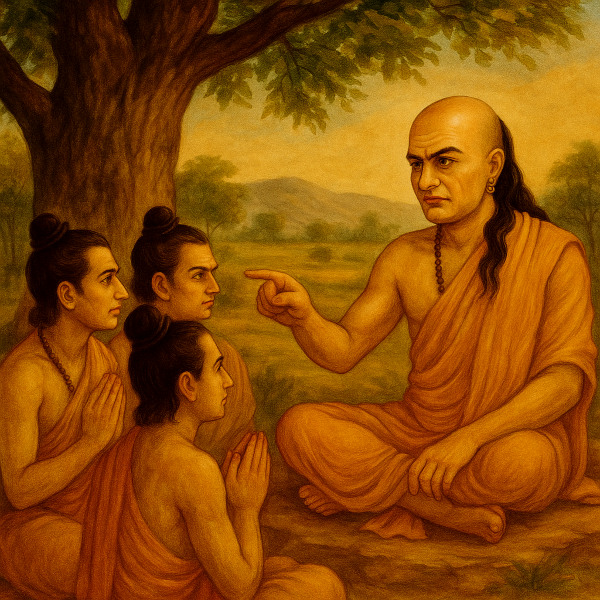
This chapter reflects a deep understanding of how power, affection, deceit, and ambition interact in daily life. It warns against superficial appearances and emphasizes the need for discernment—be it in choosing friends, managing children, dealing with spouses, or maintaining secrecy in plans. Chanakya repeatedly advocates for discipline over indulgence, showing that unchecked affection, laziness, or misplaced trust can lead to destruction.
समाने शोभते प्रीतिः राज्ञि सेवा च शोभते ।वाणिज्यं व्यवहारेषु दिव्या स्त्री शोभते गृहे ॥ ०२-२०
Dhanikaḥ śrotriyo rājā nadī vaidyastu pañcamaḥ |pañca yatra na vidyante na tatra divasaṃ vaset ||”—
The brilliance of Chanakya Niti lies in its sharp observations and realistic approach to life. Chanakya does not idealize the world; instead, he urges people to understand human nature, recognize deceit, protect their interests, and act with discretion. His teachings often blend practicality with moral clarity, making them suitable for both personal and professional growth.
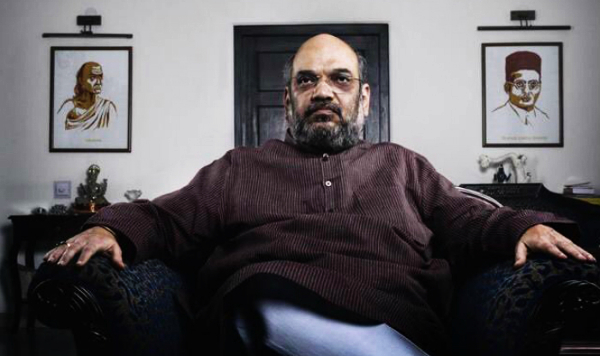
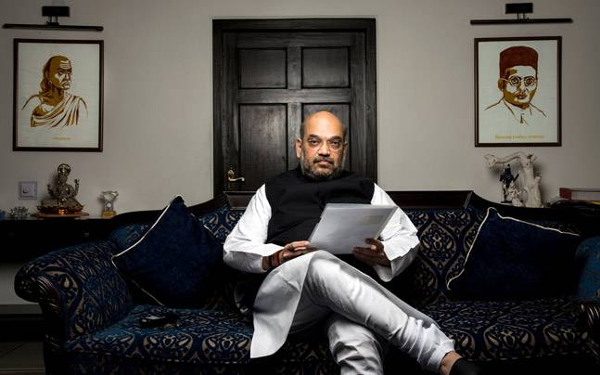
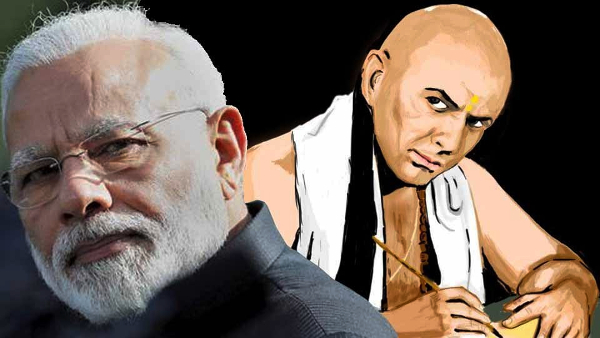
Shah has earned the enviable epithet of being named the new-age Chanakya, after the prolific scholar, statesman, strategist, philosopher, economist and advisor to the Mauryan Empire in 4th Century B.C., who has, till date, remained an enigmatically inspirational character.
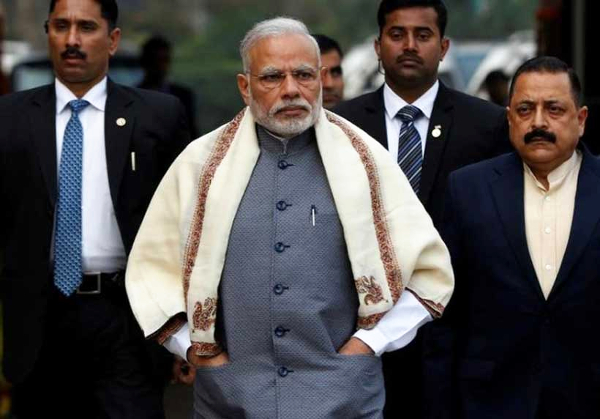
There may be lessons to learn from these improvements, and not just for India. First, sustained and respectful leader-level diplomacy can open opportunities for cooperation.
For someone acclaimed as Bharatiya Janta Party’s ‘Chanakya’, who drove the party to a historic landslide victory in the 2019 Parliament elections, getting the crucial assignment to head the Home Ministry was supposed to be the next big challenge.
Interestingly, all these years, we dismissed the Sangh Parivar as speaking abstract, ritualistic, anachronistic mumbo jumbo. But, over the decades, when the Congress gave up its cultural thinking, the Sangh with great perseverance built up signs and symbols, Sanskritised whole populations and appropriated ideological opposites.
It will be seen that this Hindu theory of government was based on a belief in the innate depravity of man. If there is no strong authority to keep men under control, the stronger would destroy the weaker, just as the big fish destroy the small fish in the sea. Government, rulers and laws become necessary to prevent this “Matsya Nyaya” operating in human society.